

The 0-0 draw between SSC Napoli and Como on May 2, 2026, was more than just a scoreless affair; it was a tactical mirror reflecting the divergent paths of two Italian football giants. With the title defense crumbling and a ten-point gap trailing Inter Milan, Napoli’s current form under Antonio Conte has sparked intense debate regarding tactical stagnation versus the evolving ingenuity of rising managers like Cesc Fabregas. The atmosphere was thick with the history of Como’s earlier Coppa Italia upset, yet the lack of a decisive breakthrough on the pitch leaves Napoli fans searching for answers to a deepening crisis of identity and intensity.
This match highlighted the razor-thin margins that define professional greatness. As we analyze the tactical battles unfolding in the Serie A, we see the anatomy of a team struggling to maintain the relentless physical output required to sustain a championship-level campaign. Whether it is a manager managing a high-pressure roster or an individual navigating the demands of daily life, the secret to longevity and success lies in the ability to maintain peak physiological performance when the stakes are highest.
Napoli vs. Como: Analyzing the 0-0 Stalemate and its Serie A Implications
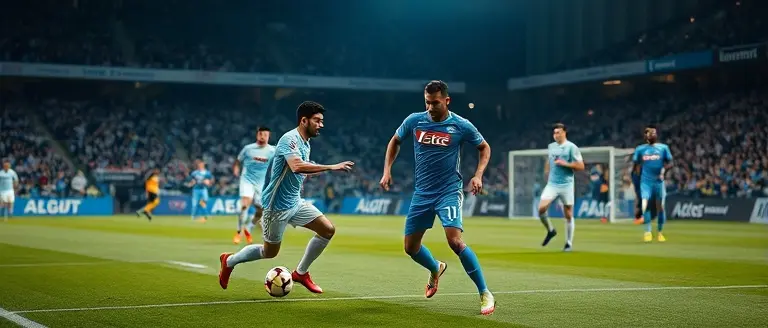
The May 2, 2026, encounter between SSC Napoli and Como served as a microcosm of both sides’ contrasting trajectories this season. Entering the match with high stakes, the game was framed by the tactical rivalry between Antonio Conte and Cesc Fabregas. For Como, a side firmly entrenched in the race for Champions League qualification, the match was a vital opportunity to secure points against a struggling giant. Conversely, for Napoli, the fixture carried the weight of historical grievances, as Como had previously eliminated the Partenopei from the Coppa Italia earlier this year. This lingering tension, paired with the competitive pressure of the Serie A table, led to a highly physical, locked-down contest that ultimately ended in a scoreless 0-0 draw.
Tactical Deadlock and League Consequences
The stalemate effectively highlights the ongoing fragility of Napoli’s campaign. With this result, Napoli remains trailing Inter Milan by a substantial 10-point margin, a gap that has increasingly signaled the end of their title-defending aspirations. The match performance suggested a team struggling to find the fluidity required to break down high-intensity, organized opposition—a hallmark of Fabregas’s emerging tactical identity at Como. Key takeaways from the encounter include:
- Defensive Stagnation: While Napoli’s backline showed resilience, the inability to convert pressure into goals underscores a lack of offensive cohesion that has plagued them throughout the season.
- The Fabregas Factor: Cesc Fabregas demonstrated his capability to neutralize a heavyweight, proving that his squad is more than prepared for the demands of European football next season.
- A Lost Title Defense: The 10-point deficit against Inter Milan is now mathematically daunting, shifting the internal focus of the club toward late-season survival and crucial summer squad rebuilding.
As the season draws to a close, this 0-0 draw serves as a stark reminder of how far the reigning champions have fallen from their domestic dominance. For Napoli, the tactical battle on May 2 was less about the specific point gained and more about the realization that a significant overhaul is required to reclaim their status in the elite echelon of Serie A.
The Tactical Chess Match: Conte vs. Fabregas
The stalemate between SSC Napoli and Como on May 2, 2026, served as a fascinating masterclass in contrasting footballing philosophies. Antonio Conte, synonymous with rigid structure and high-intensity defensive transitions, faced off against Cesc Fabregas, whose burgeoning managerial reputation is built on possession-based, progressive play. While the 0-0 scoreline may suggest a dull affair, the tactical engagement was a high-stakes chess match where neither side could find the decisive opening to tip the scales.
Conte’s Defensive Consolidation vs. Fabregas’s Fluidity
Conte deployed a disciplined low-to-mid block designed to negate the central channels where Como thrives. By crowding the midfield, he forced the visitors to move the ball into wider, less dangerous areas. Conversely, Fabregas utilized a fluid formation that sought to overload the half-spaces, testing the discipline of Napoli’s backline. Key observations from the tactical battle included:
- Midfield Neutralization: Conte’s insistence on a compact engine room effectively stifled the creative influence of Como’s playmakers, turning the match into a physical battle rather than a technical display.
- Positional Flexibility: Fabregas rotated his front line frequently to disrupt the marking assignments of the Napoli defenders, though the home side maintained their structural integrity throughout the 90 minutes.
- Transition Management: Both managers prioritized defensive shape during transitions; evidence suggests that both teams were overly cautious, fearing a breakaway goal that would have effectively ended their respective season objectives.
The scoreless deadlock highlights the growing pains of a Napoli side caught in a transition period. While Conte has successfully tightened the defensive mechanics, the lack of clinical output remains the primary hurdle. For Fabregas, securing a point away against a team of Napoli’s historical stature underscores the tactical maturity he has brought to the Como squad, proving that his possession-first approach can withstand the pressure of elite, high-stakes Serie A environments.
Anatomy of a Failed Title Defense: What Went Wrong for Napoli?
The 2026 season has proven to be a sobering reality check for Napoli, as the club grapples with the fallout of a title defense that never truly gained traction. Following the recent 0-0 stalemate against a Champions League-chasing Como side, the statistical gap between the reigning champions and the league leaders, Inter Milan, has widened to an insurmountable 10 points. Analysts point to a combination of structural stagnation and a failure to adapt to the evolving tactical demands of Serie A as the primary drivers of this decline. While the managerial arrival of Antonio Conte was intended to provide a steady hand, the team has struggled to replicate the fluid, high-octane football that defined their previous championship run.
Factors Behind the Stagnation
Several key elements have contributed to the visible decline in performance throughout the current campaign:
- Tactical Rigidity: Critics argue that Conte’s rigid structural requirements have stifled the creativity of key attacking players, leaving the squad unable to break down disciplined defensive blocks like those deployed by Cesc Fabregas at Como.
- Squad Fatigue and Depth: The lack of effective rotation has left the starting XI visibly exhausted during high-stakes fixtures, leading to a drop-off in late-game intensity.
- Cohesion Issues: Following the loss in the Coppa Italia to Como earlier this year, the squad’s confidence appeared to fracture, resulting in a lack of leadership on the pitch during crucial moments.
- Failed Transitions: The inability to seamlessly integrate new signings into the established tactical framework has rendered the team predictable, allowing opponents to neutralize their offensive threats with increasing ease.
The stalemate at the Stadio Giuseppe Sinigaglia reflects a broader issue: a team in transition that lacks the necessary hunger to compete at the absolute summit of Italian football. As the season concludes, the focus must shift toward a radical squad overhaul to ensure that Napoli does not remain trapped in this cycle of mediocrity.
Rebuilding the Partenopei: Transfer Strategy and Summer Outlook

The 0-0 stalemate against Como serves as a sobering snapshot of Napoli’s current tactical fatigue. As the club reflects on a title defense that failed to materialize, the upcoming summer transfer window is no longer a luxury—it is an existential necessity for Antonio Conte. Evidence from the current Serie A campaign indicates a squad struggling with both depth and a clear identity, often lacking the creative spark required to break down disciplined defensive units like the one managed by Cesc Fabregas. To restore the club to the pinnacle of Italian football, the front office must prioritize a surgical, data-backed recruitment strategy that addresses the core stagnation within the current roster.
Strategic Priorities for the Summer Window
To rebuild a competitive edge, SSC Napoli must focus on three critical areas of the pitch where the decline has been most evident:
- Defensive Reinforcements: With key defensive pillars showing signs of wear, the club needs to integrate younger, pacey center-backs capable of operating in Conte’s high-intensity system.
- Midfield Creativity: The inability to dominate possession against teams like Como highlights a glaring need for a box-to-box engine who can facilitate the transition from defense to attack.
- Clinical Final Third Efficiency: The current forward line has struggled with consistency throughout the season. Bringing in a versatile striker who offers a different tactical profile than the current options could provide the tactical flexibility needed to unlock low-block defenses.
The transition toward the next season requires more than just new personnel; it demands a cultural recalibration. Whether the club chooses to double down on Conte’s rigid structure or pivot toward a more fluid, modern attacking philosophy, the summer recruitment must align with long-term performance metrics. Returning to the top of the league table will depend on the club’s ability to move on from aging assets and invest in high-upside talent that fits the evolving landscape of modern Serie A football. Without a proactive strategy, Napoli risks falling further behind the pace set by inter-league rivals.
Mastering Your Own Performance in the Aftermath
The stalemate between Napoli and Como serves as a stark reminder that even the most talented rosters can drift into stagnation without the precision of a perfectly tuned engine. Just as Antonio Conte faces the grueling challenge of recalibrating a squad amidst a title defense crisis, we often find our own daily stamina drained by the relentless pace of modern life. Success, whether on the pitch or in the boardroom, requires more than just raw ambition; it demands the consistent, physiological maintenance that fuels peak output.
This is where the parallel between elite football and your personal wellness becomes undeniable. If a top-tier manager understands that endurance is the foundation of every tactical victory, you must treat your metabolism with the same strategic focus. Cardio Slim Tea is designed to bridge this gap, offering the essential support your cardiovascular system craves to sustain energy levels that don’t dip when the pressure mounts. By optimizing your metabolic health, you are not just getting through the day—you are ensuring you perform with the discipline and efficiency of a champion.
Stop leaving your performance to chance. Like the high-stakes tactical evolution witnessed in Serie A, your journey toward sustained vitality requires the right resources to stay ahead of the curve. Don’t wait for your own ‘end of season’ to realize that you could have achieved more; take the proactive step toward metabolic excellence today.
 Take control of your own season: Optimize your metabolism and energy with Cardio Slim Tea to ensure you’re performing at your peak every single day.Transform My Energy Today!