
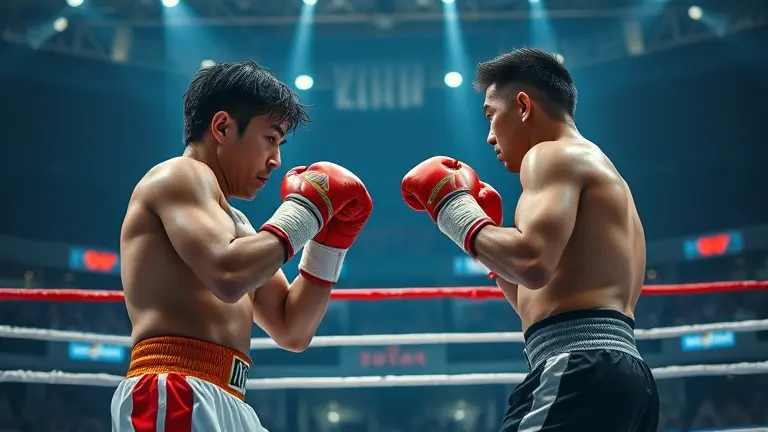
The atmosphere inside the Tokyo Dome was electric on May 2, 2026, as 55,000 spectators witnessed a historic collision between two of Japan’s greatest boxing titans: Naoya ‘The Monster’ Inoue and the relentless Junto Nakatani. While the unanimous decision victory for Inoue solidified his status as the undisputed super-bantamweight king, the reality of the 12-round contest was far more nuanced than a simple scorecard suggests. This wasn’t just a physical brawl; it was a high-stakes masterclass in distance management, counter-punching, and defensive discipline.
To truly understand why Nakatani pushed the champion to the limit, we must look beyond the result and into the split-second decisions that defined every exchange. Decoding these complex sequences requires more than just sports fandom—it demands the same level of cognitive sharpness that these elite athletes bring to the ring. As we analyze the tactical adjustments and the shifting legacy of both icons, it becomes clear that elite performance—both in the ring and in analytical comprehension—is fueled by unparalleled mental focus.
The Tokyo Dome Masterclass: Recap of Inoue vs. Nakatani
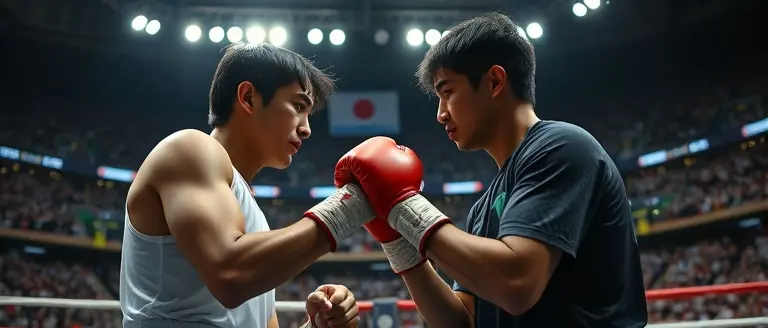
The Naoya Inoue vs Junto Nakatani fight, held on May 2, 2026, served as a historic centerpiece for professional boxing, solidifying the Tokyo Dome as the epicenter of the sport’s modern golden age. With an electric crowd of 55,000 spectators, the atmosphere was thick with the anticipation of two unbeaten Japanese icons clashing for global supremacy. As the undisputed super-bantamweight champion, Naoya ‘The Monster’ Inoue faced his most tactically sophisticated challenge to date in Junto Nakatani. The bout lived up to the immense hype, showcasing a high-stakes chess match that forced both fighters to push beyond their conventional limits.
Ultimately, the judges awarded a unanimous decision to Inoue, with scorecards reading 116-112, 115-113, and 116-112. This victory serves as a testament to Inoue’s enduring ability to adapt his aggressive, pressure-heavy style against a lengthy, disciplined southpaw. While Nakatani demonstrated remarkable defensive composure, Inoue’s precision and high-volume output in the championship rounds proved decisive.
Key Takeaways from the Super-Fight
The tactical nuances of the bout highlighted the evolving gap between top-tier elite fighters. Several factors underscored the significance of this victory for Inoue’s legacy:
- Pound-for-Pound Dominance: By overcoming the undefeated Nakatani, Inoue reinforced his standing as the premier fighter in the world, maintaining his status as the undisputed king of the super-bantamweight division.
- Tactical Resilience: Despite Nakatani’s reach advantage and movement, Inoue successfully navigated the distance, proving he can neutralize high-level defensive game plans.
- Historic Attendance: The record-breaking crowd at the Tokyo Dome solidified the commercial viability of domestic super-fights in Japan, setting a new benchmark for major boxing events.
- The Weight of Expectation: Inoue navigated the immense pressure of his “undisputed” title defense, cementing his status as a once-in-a-generation talent capable of dismantling elite, unbeaten challengers.
This encounter will undoubtedly be studied for years, serving as the benchmark for how modern boxers manage pace and pressure against the world’s best.
Technical Breakdown: Inoue’s Calculated Aggression vs. Nakatani’s Reach
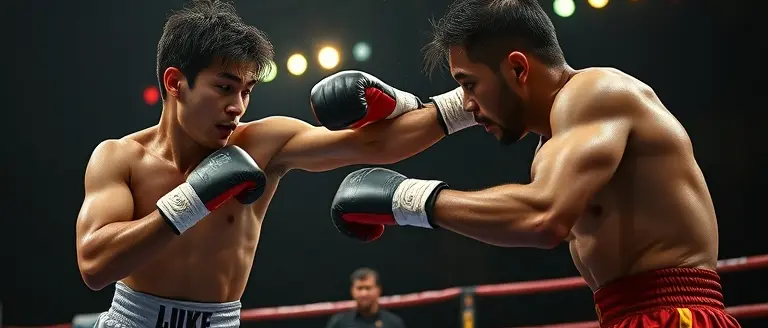
The naoya inoue vs junto nakatani fight was a masterclass in tactical discipline, pitting Inoue’s renowned offensive output against the difficult, rangy geometry of Nakatani’s southpaw stance. From the opening bell, Nakatani utilized his significant reach advantage to establish a stiff, persistent jab designed to keep the undisputed champion at bay. However, Inoue displayed a sophisticated approach to closing the distance, eschewing reckless lunging in favor of meticulous lateral movement and level changes that forced Nakatani to over-commit on his defensive pivots.
Navigating the Southpaw Challenge
Inoue’s success hinged on his ability to neutralize the “north-south” threat posed by Nakatani’s length. By consistently circling toward the outside of Nakatani’s lead foot, Inoue created favorable angles that stifled the challenger’s ability to land clean straight lefts. Key observations from the tactical flow include:
- Internal Timing: Inoue’s ability to enter the “pocket” coincided perfectly with the apex of Nakatani’s jab retraction, allowing the champion to land short, sharp counter-right hands.
- Level Changes: By feinting to the midsection, Inoue coerced Nakatani into dropping his guard, which opened lanes for his signature lead hook.
- Defensive Economy: Rather than engaging in a high-volume war, Inoue prioritized efficient parries, staying just inches out of range to drain Nakatani’s rhythm.
Nakatani remained competitive through the middle rounds by effectively utilizing his frame to clinch when Inoue moved into range, effectively disrupting the champion’s offensive rhythm. Yet, as the rounds progressed, Inoue’s pressure became overwhelming. His ability to manipulate the space between them proved that even the most disciplined reach-based defense struggles against an elite fighter who masters the internal timing of the exchange. This bout solidified Inoue’s standing as a cerebral strategist who does not simply rely on power, but on a superior understanding of ring generalship and tactical adaptation.
Pound-for-Pound Implications: Defining a Modern Legacy
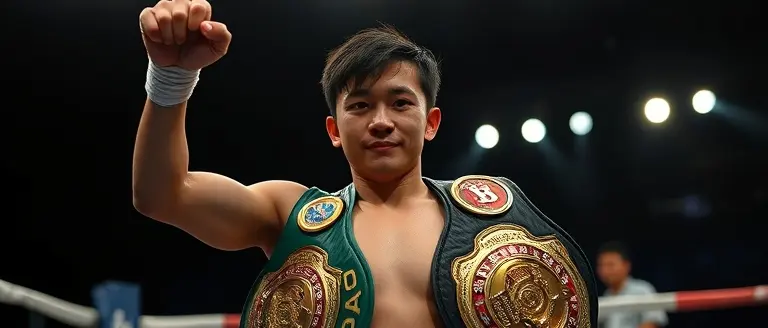
The naoya inoue vs junto nakatani fight at the Tokyo Dome serves as the definitive hallmark of a generational career. By securing a unanimous decision victory over an undefeated, world-class technician like Nakatani, Naoya “The Monster” Inoue has effectively silenced remaining skeptics regarding his ability to overcome tactical adversity. While many of Inoue’s previous victories were defined by explosive, early-round knockouts, this 12-round masterclass highlights a different, more mature dimension of his fighting style—his ability to adapt, pace himself, and out-point a sophisticated opponent on the world’s biggest stage.
Elevating the Pound-for-Pound Status
This win does more than retain his undisputed super-bantamweight titles; it solidifies his standing as the premier pound-for-pound fighter in contemporary boxing. By navigating the unique length and defensive prowess of Nakatani, Inoue proved he is not merely a puncher, but a complete pugilist. Key takeaways from this legacy-defining performance include:
- Strategic Adaptability: Inoue demonstrated an elite ability to close distance against a longer-reaching opponent without compromising his own defensive integrity.
- Mental Fortitude: Maintaining composure before 55,000 spectators against a high-stakes rival underlines the psychological resilience required for all-time great status.
- Historical Benchmarking: This victory ranks among his most significant achievements, comparable to his unification bouts, as it forced him to rely on championship-level stamina and fight IQ.
As Inoue moves into the later stages of his prime, this victory acts as the crucial “chess match” win needed to anchor his legacy. While he may have reached the summit of the sport, the technical challenges posed by Nakatani serve as a blueprint for his future evolution, proving that even as a veteran, he remains the most difficult puzzle to solve in the modern era of the sport.
The Path Forward: Strategic Adjustments for Nakatani
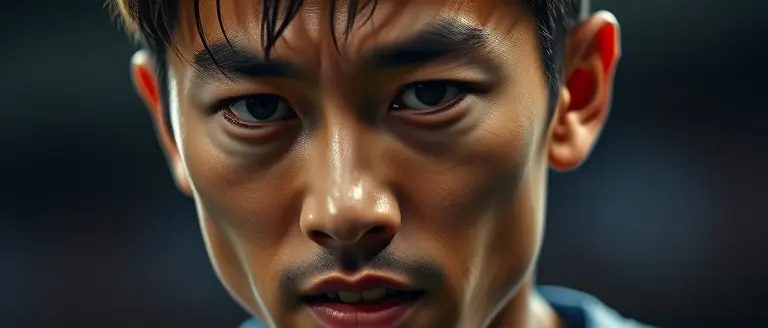
Despite the loss in the Naoya Inoue vs Junto Nakatani fight, Nakatani proved he possesses the physical tools to compete at the absolute pinnacle of the sport. The unanimous decision loss highlighted that while Nakatani has the length and precision to disrupt many, Inoue’s peerless transition from defense to offense remains a unique tactical hurdle. To bridge this gap, Nakatani must refine his defensive discipline, specifically regarding his posture when entering the pocket. Against a fighter of Inoue’s caliber, staying “square” for even a fraction of a second allows the champion to land devastating counters. Nakatani’s path forward relies on integrating more lateral movement to break Inoue’s rhythm, rather than relying on a high-guard strategy that inevitably crumbles under sustained pressure.
Refining the Tactical Blueprint
For future high-stakes bouts, Nakatani’s training camp must prioritize a more varied jab-utilization strategy. In the Tokyo Dome, his jab was effective as a range-finder but predictable as an offensive weapon. By mixing the cadence of his jab—incorporating double-jabs to the body followed by level-change feints—Nakatani can force Inoue to hesitate, creating the necessary lanes for his power left hand. Furthermore, defensive adjustments are paramount:
- Exit Angles: Nakatani often exited exchanges in a straight line; implementing “pivot-outs” will prevent him from being pinned against the ropes where Inoue thrives.
- Active Clinching: Learning to tie up Inoue during close-quarters exchanges will neutralize the champion’s short-range hooks and disrupt the flow of the match.
- Feint-Heavy Approach: Increasing the volume of upper-body feints will draw out Inoue’s counter-punching reactions, allowing Nakatani to capitalize on the champion’s committed movements.
Nakatani remains an elite force in the division. His ability to go the distance with the undisputed champion confirms his status as a top-tier contender. If he can evolve his tactical approach to better manage the space between him and his opponent, he remains one of the few boxers capable of challenging the hierarchy at the highest level of professional boxing.
Sharpening Your Analytical Edge
The Naoya Inoue vs Junto Nakatani fight served as a stark reminder that in the upper echelons of professional sport, the difference between victory and defeat is often measured in milliseconds and singular, instinctive adjustments. Inoue’s ability to maintain his composure under pressure and Nakatani’s defensive resilience are traits born from extreme cognitive clarity. To appreciate the technical beauty of such a fight, you need more than just eyes on the screen; you need a brain optimized for rapid information processing and sustained analytical focus.
Just as these fighters rely on split-second mental clarity to execute their tactical adjustments, you need a sharp, undistracted mind to fully decode the intricate technical sequences happening in the ring. The complexity of the modern fight game requires a level of mental acuity that can be trained and enhanced. This is where The Brain Song becomes your essential companion, designed to sharpen the very cognitive capacity required to master the technical nuances of elite combat sports.
By integrating this daily audio routine into your life, you are not just consuming sports content; you are honing the focus necessary to act as a true analyst of the game. Whether you are dissecting a title fight or navigating the complexities of daily life, optimized cognitive function is your greatest asset. It is time to stop viewing matches from the surface and start understanding the deep-level mechanics that define greatness.
 Optimize your analytical focus—start your 12-minute daily audio routine today and sharpen your mind for the next big breakdown.Yes, I Want This Now!