
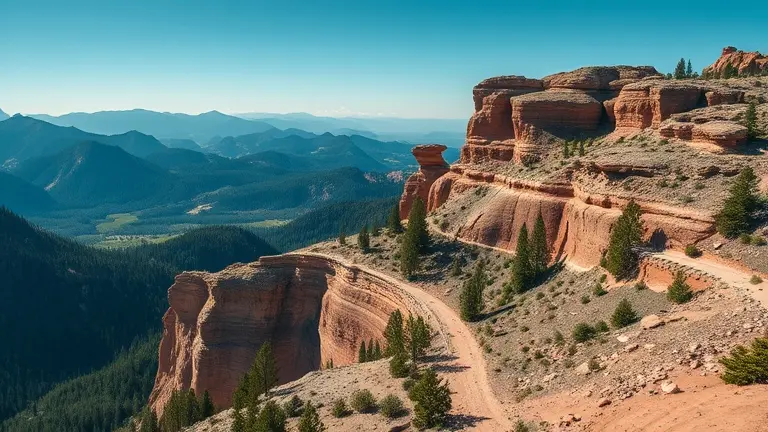
As we approach the heart of summer 2026, planning a trip to a national park has become an exercise in extreme agility. With the National Park Service (NPS) abruptly reversing its long-standing vehicle reservation policies for icons like Yosemite and Glacier, travelers are left scrambling to navigate a landscape of uncertainty. This policy shift, compounded by high-level leadership instability and looming threats of staffing cuts, has turned what should be a peaceful escape into a logistical headache. The ‘summer surge’ is upon us, and for many, the prospect of navigating crowded trails with skeleton-crew support staff is losing its appeal fast.
Yet, the beauty of the outdoors doesn’t have to be restricted to the confines of a park entrance gate. While federal agencies grapple with operational shifts, you have the power to redefine your summer on your own terms. If the unpredictability of NPS logistics has you feeling weary, it might be time to channel that pent-up energy into something far more rewarding, stable, and entirely within your control.
Navigating the 2026 NPS Landscape: Policy Shifts and Leadership Changes
The 2026 travel season marks a period of significant volatility for the National Park Service (NPS), characterized by rapid administrative reversals and internal leadership instability. Most notably, the NPS recently rescinded vehicle reservation requirements for several marquee sites, including Yosemite, Glacier, and Arches. While this move aims to increase accessibility for the summer surge, travelers should remain vigilant, as localized operational requirements can still shift with little notice. These changes come against a backdrop of financial scrutiny, with recent data showing that national park fee revenue reached $16.7 million early this year, fueling ongoing debates regarding how these funds should be allocated toward infrastructure and visitor services.
Administrative Uncertainty and Operational Impacts
The management of our national park system is currently in a state of flux following the recent withdrawal of the Trump administration’s nominee to lead the NPS. This leadership void has introduced uncertainty regarding the agency’s long-term conservation strategy and daily operational oversight. Furthermore, the administration’s proposed budget adjustments, which include potential staff cuts, have raised alarms among conservationists and visitors alike. Travelers preparing for summer excursions should be prepared for the following:
- Reduced Visitor Services: Potential staffing gaps may limit the availability of educational programs, shuttle operations, and maintenance frequency at popular sites.
- Infrastructure Delays: Projects, such as the ongoing infrastructure initiatives at Mount Rainier, are subject to ongoing public review and may face timeline shifts due to administrative reevaluations.
- Planning Flexibility: Because the reservation landscape is no longer uniform across the system, verifying status via official NPS channels is essential before departing.
Navigating this environment requires a balanced approach. While the removal of reservation systems simplifies entry, the combination of potential personnel shortages and political friction necessitates that visitors prioritize self-sufficiency and thorough pre-trip research to ensure a seamless experience in 2026.
What the Reservation Reversal Means for Your Summer Trip

The 2026 travel season brings a significant shift for outdoor enthusiasts: several marquee destinations, including Yosemite, Glacier, and Arches, have officially dropped their vehicle reservation requirements. While this news simplifies entry procedures, it does not necessarily mean your visit will be less crowded. In fact, removing these barriers may lead to an influx of spontaneous visitors, potentially intensifying the summer surge at popular trailheads and parking lots. With reduced staffing levels reported across the National Park Service, you should prepare for a more independent experience where park amenities and shuttle services may operate under limited capacity.
Navigating Park Congestion Without Reservations
Without the regulated flow provided by a reservation system, the burden of crowd management now shifts to the individual traveler. To ensure a smooth trip, consider these strategic adjustments to your itinerary:
- Prioritize Off-Peak Hours: Aim to arrive at park entrance gates before 7:00 AM or after 3:00 PM. Early arrival is the most effective way to secure parking, as most lots fill to capacity by mid-morning.
- Utilize Alternative Transit: If a park offers a shuttle system, use it. Relying on park-provided transit reduces the stress of hunting for parking spaces and helps minimize the environmental footprint on fragile ecosystems.
- Monitor Official Dashboards: Even without a reservation, some locations may implement “temporary” access restrictions during extreme congestion. Check the NPS website or official social media channels for real-time updates on parking availability before you head out.
- Explore Lesser-Known Areas: Consider visiting satellite regions or bordering public lands. Often, these areas offer comparable scenery with significantly lower visitor density, allowing for a more serene experience during the peak summer months.
By adopting a flexible mindset and planning your arrival times carefully, you can successfully navigate these national park changes while ensuring a high-quality experience despite potential operational constraints. Remember that even when access is unrestricted, the fundamental principles of “Leave No Trace” remain vital, especially in a summer where visitor volume is expected to climb.
Planning for Potential Service Impacts Amid Staffing Constraints
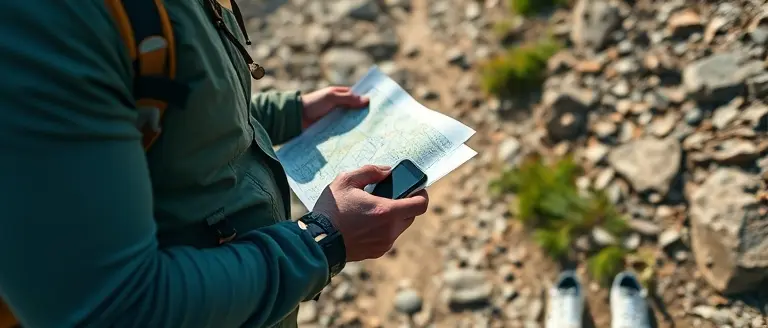
As travelers prepare for the summer 2026 season, reports regarding potential National Park Service (NPS) staff cuts suggest that your experience at a national park may look different than in previous years. With administrative changes influencing operational capacity, visitors should anticipate reduced staffing levels that could manifest as shortened visitor center hours, less frequent shuttle service, and delayed trail maintenance. Navigating the summer surge requires a proactive approach to ensure safety and convenience while exploring these protected landscapes.
Essential Tips for Self-Reliant Exploration
To mitigate the risks of reduced services, adopt a “self-sufficient” mindset. When staffing is thin, park rangers may be limited in their ability to provide on-site assistance, making individual preparedness the most critical component of your visit. Consider the following strategies:
- Download Offline Maps: Do not rely on cellular service, which is notoriously unreliable in remote areas. Download NPS-verified maps for offline use through the official NPS app or secondary GPS tools before you enter the park gates.
- Prioritize Resourcefulness: Pack extra supplies, including sufficient water, physical maps, a comprehensive first-aid kit, and portable power banks. If a park’s visitor center is closed or understaffed, you must be prepared to handle minor logistical challenges independently.
- Monitor Official Updates: Before heading out, check the “Alerts & Conditions” section of the specific national park website daily. Infrastructure projects, such as those recently proposed at Mount Rainier, can cause unexpected closures or detours that are not reflected on printed maps.
- Respect Trail Signage: With fewer maintenance crews on the ground, trails may be less groomed than usual. Adhere strictly to marked paths to minimize your environmental footprint and avoid hazardous, unmaintained terrain.
By staying informed and maintaining a flexible itinerary, you can successfully enjoy the beauty of the US park system while minimizing the impact of current administrative and staffing uncertainties. Always remember that the primary goal of your preparation is to ensure your safety and the preservation of the environment during periods of high visitor volume and low institutional support.
How to Participate in Park Infrastructure Updates: A Guide to Public Input
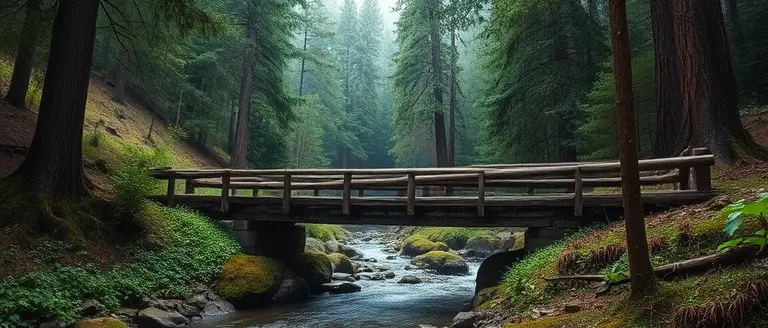
Public participation is the cornerstone of responsible National Park Service (NPS) management, ensuring that the needs of visitors are balanced against vital conservation mandates. As recent policy shifts have created a more fluid travel landscape, individual feedback has become increasingly essential. A prime example is the ongoing infrastructure project at Mount Rainier National Park, where officials are currently soliciting public input to shape long-term site accessibility, safety, and facility upgrades. By engaging with these processes, you directly influence the preservation of America’s natural heritage.
How to Find and Submit Your Feedback
When the NPS proposes changes—whether to parking capacity, trail maintenance, or reservation requirements—they are legally required to open a public comment period. Navigating this process is straightforward if you know where to look:
- Visit the NPS Planning, Environment, and Public Comment (PEPC) Website: This is the primary portal for all federal park project documentation. Use the search function to filter by park name or state to see open projects.
- Review the Environmental Assessment: Before submitting a comment, read the provided project overview. This document details the proposed impact, potential alternatives, and the timeline for implementation.
- Craft Specific, Actionable Comments: Avoid general praise or complaints. Focus on your personal experience as a visitor. For example, mention specific concerns about traffic flow, accessibility for families, or the impact of potential staffing cuts on visitor safety.
- Adhere to Deadlines: Every project has a strict closing date for comments. Feedback submitted after the deadline is rarely considered in the final planning documents.
Participation is not merely a formality; it is a critical check-and-balance in the era of evolving national park policy. Whether you are advocating for improved infrastructure at your favorite marquee location or monitoring for potential service impacts, your voice serves as an important data point for park superintendents making decisions about the future of our public lands. Taking ten minutes to submit a thoughtful, well-reasoned comment helps ensure that these landscapes remain both accessible and protected for generations to come.
Build Your Own Sanctuary This Summer
The reality of the 2026 travel season is that while you can’t control park mandates or political staffing shifts, you can absolutely control your environment at home. If the uncertainty of national park logistics has you reconsidering your travel plans, you don’t have to sacrifice your summer productivity or outdoor enjoyment. In fact, many travelers are now choosing to pivot, turning their frustration into a productive ‘staycation’ that yields permanent, high-value results.
Instead of battling crowds and navigating unpredictable reservation systems, why not transform your backyard into a personalized sanctuary? With the right tools and professional guidance, you can build custom outdoor furniture or specialized gear that makes your home the best destination of the year. This is your chance to engage in a ‘Summer Project Accelerator’ that guarantees successful, high-quality results without the stress of external travel barriers.
Ted’s Woodworking offers 16,000 professional workshop plans that remove all trial-and-error, allowing you to master your craft with ease. Whether you want to build a deck chair for your patio or a custom camping storage solution, these foolproof blueprints ensure you have a project you can actually finish, regardless of what’s happening in the national parks. It is the perfect, rewarding alternative for a season that demands a better use of your time and resources.
 Take control of your summer by starting a project you can actually finish; access 16,000 professional workshop plans here.Transform My Summer Now!