
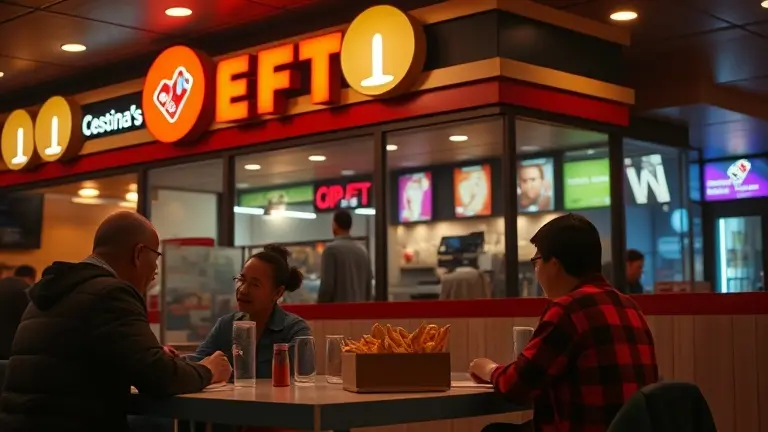
The modern fast-food restaurant landscape has transformed from a pillar of convenience into a source of severe financial anxiety. With consumer sentiment hitting record lows and inflation driving the phenomenon of ‘restaurantflation,’ the standard meal deal has become a relic of a bygone era. For millions of Americans, the realization is setting in: those frequent stops at your local fast-food chain are no longer just a hit to your health, but a massive, unsustainable drain on your monthly budget.
But breaking the habit is only half the battle. As prices climb and quality stagnates, many of us are finding ourselves trapped in a cycle of ‘menu fatigue,’ bored by the same overpriced, processed offerings while simultaneously fearing the inevitable energy crash that comes from changing our dietary patterns. This article serves as your guide to navigating this volatile economy, showing you exactly how to bypass the rising costs of dining out while maintaining the focus and vitality you need to thrive in 2026.
Why Fast Food Isn’t ‘Fast’ on Your Wallet Anymore

The traditional fast-food restaurant model in the United States is currently navigating a severe identity crisis. As of May 2026, the industry is witnessing a profound “consumer pullback,” a trend underscored by the University of Michigan’s Consumer Sentiment Index plummeting to a record-low 47.6. What was once the definitive solution for budget-conscious, time-strapped Americans has transformed into an expensive endeavor. While industry-wide revenue projections remain high at $1.55 trillion, this figure masks a stark reality: individual traffic is cratering because diners are increasingly viewing fast-casual and quick-service meals as luxury items rather than daily staples.
The Impact of Price Fatigue and Declining Traffic
The economic pressure on households has shifted the dining landscape toward austerity. Evidence suggests that 22% of Americans are now intentionally avoiding established chains, opting instead to eat at home or pursue cheaper alternatives to mitigate rising costs. This “restaurantflation” phenomenon has hit major industry players hard, with giants like Wingstop reporting an 8.7% decline in same-store sales. Several factors are contributing to this cooling period:
- Shrinking Discretionary Income: With consumer sentiment at its lowest level in decades, families are prioritizing essential spending over the convenience of a drive-thru.
- The Menu Fatigue Factor: Consumers are growing increasingly weary of the repetitive, high-cost “bowl” formats popularized by fast-casual staples like Chipotle and Cava, leading to a loss of perceived value.
- Operational Headwinds: A combination of stubborn inflation and the lingering effects of earlier severe weather patterns has forced operators to raise prices, alienating the very demographic that relied on these establishments for affordability.
Data from the National Restaurant Association confirms that only 31% of operators reported traffic increases in March 2026, a sharp drop from 43% just a month prior. As the industry grapples with these headwinds, the disconnect between rising menu prices and the dwindling value proposition has left many diners questioning whether the convenience of a fast-food restaurant is truly worth the premium cost. For many households, the era of “cheap eats” has effectively ended, forcing a fundamental shift in how Americans approach dining out.
The True Cost: Restaurant Dining vs. Home Cooking in 2026
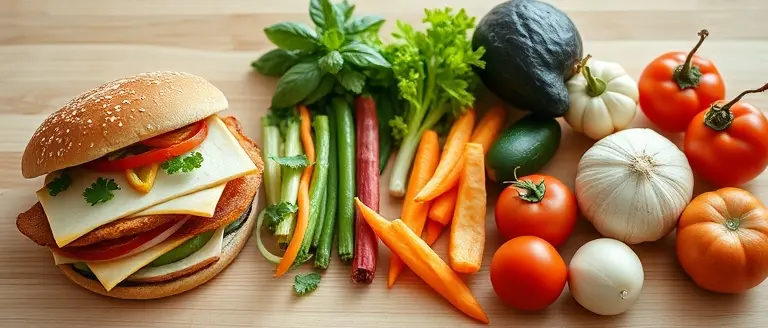
In early 2026, the financial friction between dining at a fast-food restaurant and preparing meals at home has reached a breaking point. With the Consumer Sentiment Index plummeting to 47.6, households are increasingly scrutinizing the “convenience tax” associated with quick-service dining. While a typical combo meal now frequently exceeds $12 to $15, a nutritionally equivalent meal—featuring lean proteins, complex carbohydrates, and fresh produce—prepared at home typically costs between $4 and $6 per serving. This creates a significant “leakage” in the average American’s monthly budget, contributing to the widespread price fatigue currently impacting major chains like Wingstop and Domino’s.
Calculating the Hidden “Hourly Wage” Cost
To truly understand the impact of your dining habits, you must evaluate the “time-efficiency” metric. If an individual earns $25 per hour, spending 15 minutes of transit and wait time to secure a $15 meal adds an invisible “opportunity cost” of $6.25 in labor. Effectively, that quick meal costs you over $21 in total economic value. By contrast, a “batch cooking” approach allows for the preparation of multiple nutritious meals in under 60 minutes, bringing the total time investment per serving down to mere minutes once the initial labor is amortized.
Consider these key factors when analyzing your personal spending:
- Markup Multipliers: Fast-food menu items are often marked up 300% to 500% over the raw ingredient cost to cover real estate, labor, and massive corporate marketing overheads.
- Nutritional ROI: Home cooking allows for higher nutrient density. Fast-casual “bowls” often rely on low-cost fillers like excess rice or beans; cooking at home ensures you control the protein-to-carb ratio, providing better satiety and reducing the urge to snack later.
- The Aggregation Effect: Choosing to bypass the drive-thru just three times per week can yield savings of over $1,800 annually.
As restaurantflation continues to outpace general inflation, the decision to cook is no longer just a chore—it is a sophisticated financial strategy to reclaim your purchasing power in a volatile economy.
Strategic Ordering: How to Navigate Menus Without Overspending
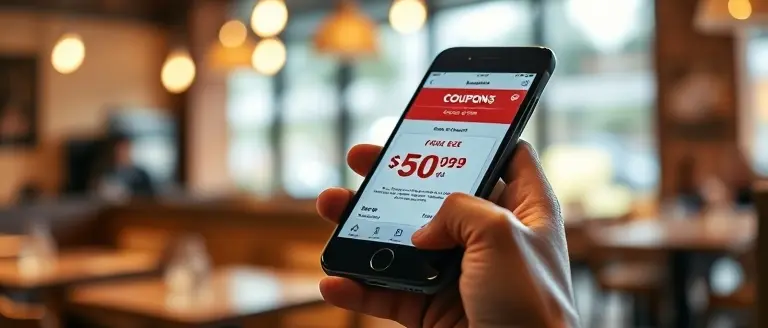
As the fast-food restaurant landscape grapples with record-low consumer sentiment, the era of mindless ordering has reached its expiration date. With inflation-weary diners facing significant price fatigue, navigating a menu requires a tactical shift from convenience to cost-efficiency. To avoid falling victim to “restaurantflation,” diners must prioritize value-hacking techniques that bypass traditional profit-padding tactics used by major chains.
Master the Art of Value-Hacking
The most effective way to protect your wallet is to deconstruct how you order. Avoid the “upsell trap” of pre-packaged meal bundles; chains often bundle high-margin items like fountain drinks—which have a significant markup—with entrees to increase the total ticket size. Instead, consider these strategies to lower your out-of-pocket costs:
- Audit the App Ecosystem: Most national chains have shifted deep discounts exclusively to their mobile platforms. Download apps only when you plan to order and leverage “first-time user” incentives or rewards points that prioritize free items over percentage-off discounts.
- A La Carte Efficiency: Don’t assume a combo is cheaper. Calculate the price of the entree alone versus the combo. Often, buying a water or using a beverage you already own at home renders the drink surcharge in a meal deal unnecessary.
- The “Value Menu” Reset: With 22% of Americans shifting toward cheaper alternatives, many operators have silently buried their value menus. Look for “hidden” items, such as junior-sized portions or breakfast-menu hacks, which frequently offer a better protein-to-price ratio than the standard, trendy lunch bowls.
- Strategic Portion Control: If you are experiencing “menu fatigue” with standard fast-casual bowls, opt for a smaller, customized item. Reducing your portion size by 20% can often slash your bill by a third, helping you navigate the market while maintaining the convenience of eating out.
By shifting your approach from impulse-driven purchases to a deliberate, logic-based ordering strategy, you can continue to enjoy the utility of a fast-food restaurant without succumbing to the inflationary pressures currently straining the industry.
The ‘Value’ Toolkit: Best Approaches to Convenience When Budgets Are Tight
As the fast-food restaurant landscape experiences a significant cooling period due to record-low consumer sentiment, the era of mindless drive-thru spending is fading. With 22% of Americans now prioritizing home-cooked meals to combat rising prices, the key to maintaining convenience without breaking the bank lies in “value-hacking” your routine. By shifting from reactive purchasing to proactive meal management, you can mitigate the impact of restaurantflation while still satisfying the craving for quick, high-nutrition sustenance.
Strategies for the Modern Budget-Conscious Diner
To avoid the “emergency” fast-food stop, consider these actionable steps to reclaim your food budget:
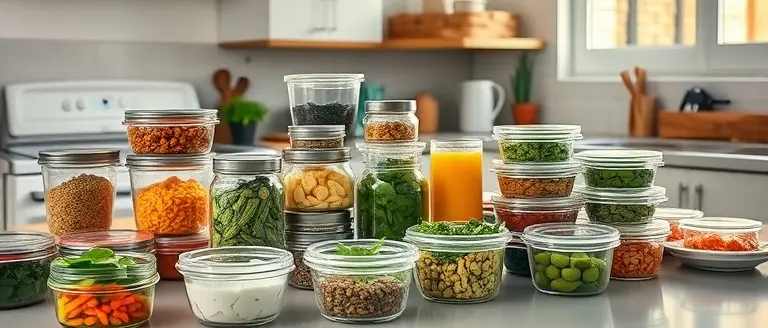
- The “Copycat” Batch-Prep: Focus on replicating your favorite fast-casual staples—like rice bowls or specialized chicken wings—at home. By batch-prepping proteins and grains over the weekend, you reduce the per-meal cost by up to 70% compared to typical restaurant pricing.
- Audit for Value-to-Cost: If you must dine out, abandon the standard “value meal” combos, which often carry high markups. Instead, prioritize a-la-carte menu items that offer the highest protein density per dollar. Use restaurant mobile apps strictly to monitor exclusive, limited-time offers rather than relying on standard menu boards.
- The 15-Minute Rule: When convenience feels like a necessity, keep a “fast-food alternative” kit in your freezer. Pre-cooked chicken strips, frozen roasted vegetables, and quick-cook grains mimic the speed of a fast-food restaurant visit but keep the cost significantly lower.
- Subscription Management: Be wary of brand loyalty programs designed to lure you back into repeat spending. Analyze your monthly transactions; if your “convenience” habit is exceeding your set dining budget, audit your accounts to break the psychological loop of easy, recurring expenses.
Ultimately, navigating the current economic environment requires treating your dining habits as a financial asset. By reducing dependency on commercial chains, you not only improve your personal bottom line but also exert market pressure that encourages operators to reconsider their current aggressive pricing models. Consistency is your most powerful tool in navigating this period of market volatility.
Reclaiming Your Vitality Beyond the Fast-Food Trap
Transitioning away from the constant lure of the fast-food restaurant doesn’t have to mean sacrificing your daily energy or succumbing to mid-day fatigue. By adopting smarter dining habits, you are not only shielding your bank account from the relentless ‘restaurantflation’ tax but also taking the first step toward reclaiming your health from highly processed, low-nutrition commercial traps. The shift from expensive, empty calories to intentional, home-prepared nourishment is the most powerful financial and physical pivot you can make in 2026.
While your wallet will thank you for cutting out the drive-thru, we understand that adjusting your metabolism to this new lifestyle can feel like a challenge. Many diners rely on the artificial energy spikes from fast-casual meals, which is why bridging that gap is essential. CitrusBurn acts as your metabolic upgrade, providing the natural, consistent energy you need to stay on track without the need for overpriced health bowls. By optimizing your body’s fat-burning processes naturally, you can finally curb the cravings that drive you back to expensive, unhealthy alternatives.
It is time to move beyond the cycle of convenience-driven dependence and start investing in your long-term metabolic health. CitrusBurn is designed to empower your transition, helping you maintain a high-energy lifestyle while you take full control of your kitchen and your budget. Stop paying a premium for food that drains your bank account and your vitality.
 Reclaim your energy and your budget by optimizing your metabolism naturally with CitrusBurn—start your journey toward metabolic freedom today.Yes, I Want This Now!