
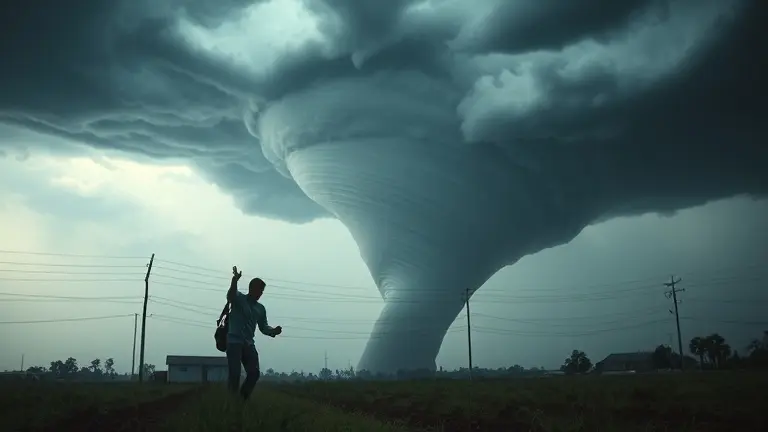
As severe weather sweeps across the United States this May 2026, millions of Americans are finding themselves under the shadow of a tornado watch. In the high-stress, fast-paced environment of real-time weather monitoring, the difference between a ‘watch’ and a ‘warning’ isn’t just semantics—it is a critical life-saving distinction. If a watch means conditions are ripe for a tornado, a warning means the threat is immediate and the time for hesitation has evaporated. Whether you are tracking updates on social media or listening to local meteorologists, knowing how to interpret these alerts instantly is your first line of defense.
Think of it like the ‘taco’ analogy: a tornado watch means you have all the ingredients—shells, meat, cheese, and salsa—on the counter, and you could make a taco at any moment. A tornado warning, however, means the taco is made and it is on your plate; you need to act now. This guide strips away the technical jargon to provide you with a high-utility, at-a-glance framework to keep you and your loved ones safe when the skies turn threatening.
Severe Weather Update: Understanding the May 2026 Tornado Trend
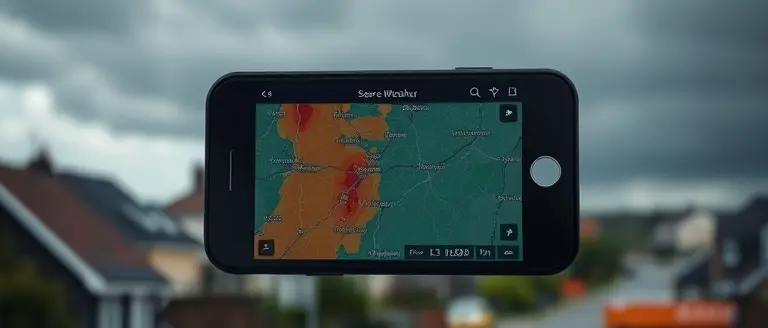
As of early May 2026, the United States has experienced an intense period of severe weather, causing significant public concern and a surge in real-time information seeking. Meteorologists have noted a series of volatile atmospheric patterns moving across the country, with regions such as Central Florida seeing a notable uptick in active alerts. This frequency has transformed the term tornado watch into a critical focus for residents who are increasingly relying on social media platforms like TikTok, Facebook, and the r/tornado subreddit to monitor developments as they unfold. The current weather cycle highlights the importance of distinguishing between weather states to maintain situational awareness.
Why Public Interest Is Surging
The widespread confusion between a tornado watch vs warning remains a primary driver for the current digital discourse. As spring 2026 weather patterns continue to produce frequent alerts, the gap between official data and public understanding has become a significant safety concern. When the National Weather Service (NWS) issues an alert, the immediate influx of social media chatter often leads to misinformation. Understanding the technical, yet simple, differences is no longer just a matter of weather literacy—it is a vital component of household safety:
- Tornado Watch: Atmospheric conditions are favorable for tornado development; this is your time to “be prepared.”
- Tornado Warning: A tornado has been sighted or indicated by weather radar; this requires immediate “take action” protocols.
Staying Informed Through Official Channels
During periods of heightened activity, it is imperative to prioritize official data over viral, unverified posts. Relying on NWS alerts ensures that you receive time-sensitive, localized updates that can be the difference in emergency scenarios. Whether you are navigating your daily commute or securing your home, keeping a battery-operated NOAA weather radio nearby and monitoring authorized mobile push notifications remains the gold standard for safety. By understanding these trends and maintaining a high level of vigilance, residents can navigate the current active spring season with the necessary knowledge to protect themselves and their families.
Tornado Watch vs. Warning: The 30-Second Life-Saving Difference

Understanding the distinction between a tornado watch and a tornado warning is critical for your safety, especially during active severe weather seasons. As confirmed by recent events in Central Florida and highlighted by National Weather Service (NWS) guidelines, confusion often arises during high-stress situations. To act effectively, you must understand that these terms describe the level of threat and the required response, rather than just the weather severity.
The Taco Analogy for Quick Decision Making
When you are under a tornado watch vs warning, think of the “Taco Analogy.” If you have all the ingredients for a taco on your counter—the shells, the meat, the cheese, and the lettuce—you have the ingredients to make a taco, but you do not have a taco yet. That is a tornado watch. Conditions are favorable, and the atmosphere is primed for storm development. You should stay alert, monitor local news, and ensure your safe room is ready.
Conversely, if a taco is already sitting on your plate in front of you, you have a taco. That is a tornado warning. This indicates that a tornado has been sighted by storm spotters or indicated by Doppler weather radar. A warning means an immediate threat to life and property is occurring.
Vital Safety Protocols
- During a Watch: Stay weather-aware. Check your battery-powered radio or smartphone, identify your basement or interior room, and ensure all family members know the emergency plan.
- During a Warning: Take action immediately. Do not wait for visual confirmation. Seek shelter in the lowest level of a sturdy building, stay away from windows, and protect your head.
By keeping these definitions clear, you transform anxiety into proactive safety, ensuring you can react with precision when minutes matter most.
Active Tornado Watch: What To Do Now
When your local area is under an active tornado watch, it means that atmospheric conditions are favorable for the development of severe weather. While a watch does not guarantee that a tornado will strike, it serves as a critical window to prepare and remain vigilant. Understanding the tornado watch vs warning distinction is vital; while a watch indicates potential, a warning means a tornado is imminent or occurring. During this time, the National Weather Service (NWS) urges residents to stay weather-aware and avoid complacency, as conditions can escalate rapidly during the volatile spring 2026 storm season.
Essential Steps for Your Safety
To ensure you and your family are protected, follow these actionable steps immediately upon receiving a watch alert:
- Enable Wireless Emergency Alerts (WEA): Check your mobile device settings to ensure WEAs are enabled. This ensures you receive life-saving notifications directly from the NWS, even if you are not actively checking news feeds.
- Identify Your Safe Room: Determine exactly where you will go if the alert is upgraded to a warning. This should be an interior room on the lowest floor of a sturdy building, away from windows, doors, and outside walls.
- Keep Devices Charged: Ensure your smartphone, portable power banks, and weather radios are fully charged. Keep these items close to you at all times in case of a power outage.
- Monitor Local Updates: Rely on official sources such as local news stations and the NWS. Avoid relying solely on social media speculation; verify any information you see on platforms like Facebook or Reddit against official NWS reports.
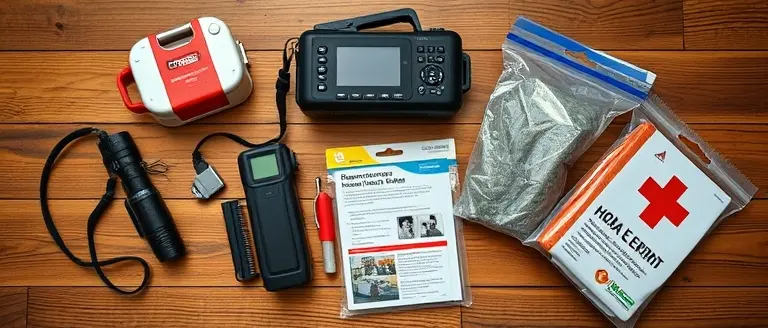
- Assemble an Emergency Kit: Keep a small bag ready with a flashlight, extra batteries, a whistle to signal for help, and any necessary medications.
By taking these proactive measures, you transition from uncertainty to readiness. Remember that the weather can change in minutes; remain alert, keep your phone volume up, and be prepared to take cover the moment a warning is issued for your specific area.
Tracking Severe Weather: Resources for Real-Time Updates

Staying informed during active weather patterns is critical, especially when a tornado watch is issued for your area. During the current spring 2026 season, high-stress events across regions like Central Florida have underscored the necessity of relying on verified, high-authority information rather than speculative social media posts. The most reliable source for real-time alerts remains the National Weather Service (NWS). By visiting weather.gov, users can access localized updates, official NWS radar, and the latest status on active watches and warnings. For mobile users, downloading a dedicated weather app—such as those linked directly to local broadcast meteorologists or the FEMA app—ensures you receive push notifications even when you are not actively checking news feeds.
When navigating the complexities of a tornado watch vs. warning, community engagement can be a powerful tool for situational awareness, provided it is approached safely. Platforms like Reddit’s r/tornado have become hubs for real-time discussion, where enthusiasts and professionals share radar data and storm observations. However, it is essential to prioritize your physical safety over digital participation:
- Verified Sources First: Always cross-reference user-generated reports on social media with official NWS statements or local emergency management social media channels.
- Avoid Storm Chasing: Never attempt to film or spot severe weather yourself. Amateur attempts to monitor storms can block emergency vehicles and endanger your life.
- Limit Network Strain: During peak weather events, minimize non-essential data usage on mobile networks to ensure first responders have priority access to communication bandwidth.
- Enable Emergency Alerts: Ensure your smartphone’s Wireless Emergency Alerts (WEA) are enabled in your settings; these bypass data congestion to deliver life-saving information directly to your device.
By combining official NWS tracking with responsible community engagement, you can maintain a clear picture of the environment, distinguish between shifting weather statuses, and take decisive, life-saving actions when conditions escalate.
From Passive Awareness to Proactive Protection
Understanding the vital difference between a tornado watch and a warning is your primary defense, but true safety is built long before the siren sounds. Information acts as your early warning system, yet the structural integrity of your home remains your ultimate sanctuary. Now that you understand the difference between a watch and a warning, the best way to gain peace of mind is by ensuring your home is structurally prepared to handle high winds before the next alert arrives.
This is where Ted’s Woodworking becomes an essential component of your disaster preparedness plan. By leveraging professional-grade, easy-to-follow blueprints, you can move from reactive anxiety to proactive fortification. Whether you are securing outdoor structures, reinforcing window frames, or building custom storm shutters, these plans allow you to transform your home into a secure fortress. It is the only resource that bridges the gap between weather alerts and tangible home hardening, empowering you to take control of your environment.
Don’t wait for the next alert to realize your home is vulnerable. Arm yourself with the technical tools needed to create a safer living space for your family today. Gain the confidence that comes with knowing you have done everything possible to protect your property from the elements.
 Download the complete library of over 16,000 professional blueprints now and start fortifying your home today.Secure My Home Today!