
The 2-2 draw between PSG and Lorient on May 2, 2026, sent shockwaves through the Parc des Princes, serving as a stark reminder of the fragile balance between domestic dominance and European glory. For Luis Enrique, this Matchday 32 fixture was never just about three points; it was a high-stakes chess match played amidst the grueling intensity of a Champions League semi-final campaign. As supporters debated rotation strategies and the absence of key defensive anchors, the match exposed the cognitive and physical toll that modern football demands of its architects.
Tactical rotation in Ligue 1 is rarely a simple calculation of fitness metrics. It is a complex exercise in risk management where every selection decision carries the weight of a season’s legacy. This draw highlighted a recurring struggle: how to maintain peak focus during a congested fixture list when your eyes are fixed on the European horizon. To understand this managerial dilemma is to understand that elite success—whether on the pitch or in your career—requires an unparalleled ability to process data, mitigate fatigue, and execute with absolute precision under pressure.
The 2-2 Stalemate: Analyzing PSG vs. Lorient in the Heat of the Title Race
The May 2, 2026, fixture between PSG and Lorient at the Parc des Princes served as a microcosm of the pressures facing elite clubs during a congested season. As a pivotal Matchday 32 encounter in the 2025-2026 Ligue 1 campaign, the 2-2 draw highlighted the inherent friction between domestic obligations and continental aspirations. For Paris Saint-Germain, this match was sandwiched between high-stakes Champions League semi-final legs against Bayern Munich, forcing manager Luis Enrique to navigate a precarious balancing act. The result left many supporters questioning the club’s defensive solidity when key personnel are absent, a sentiment that echoed loudly across fan communities like the r/psg subreddit.
The Managerial Dilemma of Tactical Rotation
The decision-making process leading up to the paris-sg – lorient clash became a primary talking point for analysts. With the weight of a European title chase looming, Enrique’s rotation strategy appeared designed to preserve his starting XI for the midweek trip to Bavaria. However, the lack of coordination on the pitch suggested that the depth players struggled to maintain the standard rhythm required for a title push.
- Squad Depth Constraints: The absences of key figures like Ramos and Zabarnyi exposed gaps in the defensive transition, which Lorient capitalized on with clinical efficiency.
- Psychological Pressure: The mental burden of managing a title race while competing in the Champions League semi-finals created a noticeable dip in intensity during the closing stages of the second half.
- Tactical Execution: While possession remained in favor of the hosts, the lack of defensive cohesion allowed the visitors to disrupt the rhythm, ultimately leading to the dropped points.
Ultimately, the 2-2 draw underscores the difficulty of maintaining domestic dominance when the squad is spread thin across multiple competitions. As the season reached its climax, this result served as a stark reminder that even a club of PSG’s stature is vulnerable when rotation becomes a necessity rather than a tactical preference. Evidence suggests that balancing these high-stakes fixtures remains one of the most complex challenges in modern professional football.
The Managerial Dilemma: Balancing Ligue 1 and Champions League Ambitions
The recent psg – lorient fixture served as a stark case study in the logistical challenges faced by elite clubs navigating the final stretch of the season. For manager Luis Enrique, the Matchday 32 clash was not merely a routine Ligue 1 appointment, but a strategic exercise in risk management. With a high-stakes Champions League semi-final against Bayern Munich looming, the pressure to preserve the physical integrity of key personnel clashed directly with the necessity of maintaining domestic consistency. Evidence from the paris-sg – lorient encounter suggests that heavy squad rotation, while intended to prevent fatigue, can inadvertently disrupt the fluid chemistry required to break down disciplined mid-table opponents.
Tactical Constraints and Squad Depth
The 2-2 draw highlighted the thin margins between squad depth and on-pitch performance. When influential figures like Ramos or Zabarnyi are unavailable, the drop-off in tactical execution becomes palpable. Fan sentiment on platforms like Reddit emphasized that while resting stars is a pragmatic approach, it often shifts the burden onto players who lack the consistent rhythm of the first-team regulars. To maintain a competitive edge, managers must weigh several variables:
- Injury Prevention: Mitigating the risk of long-term absences during the most critical part of the campaign.
- Intensity Management: Balancing the physical demands of high-pressing systems against the necessity of recovery windows.
- Tactical Cohesion: Maintaining a reliable team structure even when key starters are cycled out of the lineup.
Ultimately, the philosophical debate remains centered on whether a club of PSG’s stature should prioritize absolute Ligue 1 dominance at the expense of player longevity, or treat domestic outings as controlled environments to ensure peak fitness for continental glory. The struggle to secure points against Lorient underscores that at the highest level of European football, there is rarely a perfect compromise between long-term strategy and immediate results.
Squad Rotation Metrics: Was the Result a Product of Strategic Rest?
The psg – lorient fixture on Matchday 32 of the 2025-2026 Ligue 1 season highlighted the classic managerial struggle between securing domestic points and prioritizing continental glory. Facing a pivotal Champions League semi-final against Bayern Munich, manager Luis Enrique opted for a calculated squad rotation strategy, leading to a frustrating 2-2 draw at the Parc des Princes. Data from this match suggests that the rotation was not merely a choice, but a response to the intense physical demands of a congested schedule. By resting core starters, Enrique aimed to mitigate injury risks, yet the performance exposed critical gaps in the team’s depth.
Impact of Tactical Selection and Injuries
The absence of key figures like Ramos and Zabarnyi forced a reconfiguration of the defensive line, directly impacting the team’s transition speed. Fan sentiment on platforms like r/psg underscored a growing anxiety regarding this depth. When comparing the starting XI against Lorient to the projected lineup for the Bayern tie, the variance in minutes played by key stars remains a point of contention for analysts.
- Midfield Congestion: The reliance on rotational squad members failed to maintain the high-press tempo usually associated with the side, allowing Lorient to exploit space during transitions.
- Injury Prevention vs. Point Drops: While the staff focused on load management, the lack of synergy between the second-string defensive unit led to defensive lapses.
- Depth Limitations: The evidence suggests that while the bench provides numbers, the technical drop-off when key starters are absent remains a liability in high-stakes paris-sg – lorient type encounters.
Ultimately, this draw reflects a broader trend in elite football where managers must balance the immediate need for league dominance with long-term fitness goals. While the strategic rest was designed for performance optimization in the Champions League, the result served as a stark reminder that the margin for error in Ligue 1 remains slim, even for a club with the resources of PSG.
The Supporter Perspective: Fan Sentiment and the Cost of Compromise
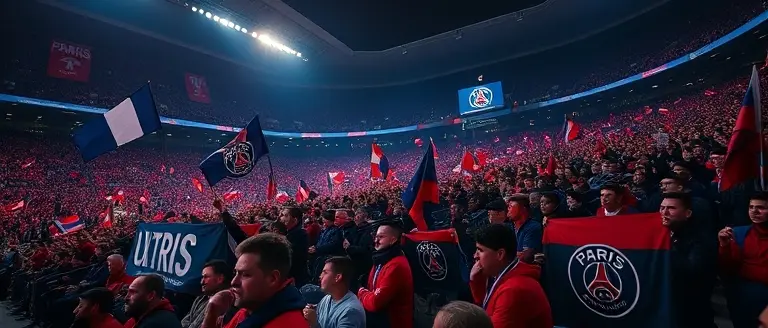
The atmosphere surrounding the psg – lorient fixture on Matchday 32 served as a flashpoint for long-standing debates among the Parisian faithful. Digital communities, most notably the r/psg subreddit, became a sounding board for deep-seated frustrations following the 2-2 draw. For many supporters, the result was not merely a lapse in performance but a tangible consequence of what they perceive as excessive tactical experimentation. Fans argued that while European glory remains the club’s “Holy Grail,” the domestic stability provided by the Ligue 1 title should not be sacrificed on the altar of squad rotation, even with the high-stakes Champions League semi-final against Bayern Munich looming.
The discourse among the fanbase highlights a specific anxiety: the fear that PSG is losing its competitive edge in the French top flight due to a lack of cohesion in altered lineups. Supporters point to key absences—notably in the defensive structure—as a primary catalyst for the defensive vulnerabilities exposed by Lorient.
Key Areas of Fan Concern
- Rotation Fatigue: There is growing sentiment that rotating too many key players simultaneously disrupts the rhythm, leading to stagnant attacking transitions.
- Domestic vs. European Priority: Fans are openly questioning if the coaching staff is over-valuing theoretical freshness at the expense of proven chemistry in the starting XI.
- Defensive Fragility: The absence of core starters like Ramos and Zabarnyi has been identified by followers of the paris-sg – lorient narrative as a major tactical liability that mid-table sides are now exploiting.
Ultimately, the 2-2 draw left many questioning the balance of power within the squad. While the managerial strategy is built on data-backed workload management, the empirical reality of dropping points against Lorient has tested supporter patience. There is an urgent call for a more stable core, as fans demand that the team respects the integrity of the league race while managing the physical toll of their continental ambitions.
Optimizing Your Own Strategic Edge
The PSG-Lorient encounter serves as more than just a football footnote; it is a profound masterclass in the necessity of cognitive resilience. When the pressure mounts and the schedule becomes suffocating, the margin for error shrinks to nothing. Just as a manager must optimize squad cognitive load to navigate a congested season, you must clear your own mental fog to handle high-stakes professional demands. True elite performance isn’t just about effort—it is about the clarity to make the right move when the stakes are at their highest.
In the world of high-pressure decision-making, your greatest asset is your mental agility. The Brain Song is designed specifically for those who require precision in every action. By mirroring the tactical mental optimization required by elite managers, this solution bridges the gap between chaos and peak performance. It is the only tool that addresses cognitive endurance, allowing you to maintain focus and mental clarity when others crumble under the weight of their own responsibilities.
You don’t have to navigate your own professional “fixture congestion” alone. By upgrading your cognitive routine, you can achieve the same level of intellectual agility that defines the top tier of international sport. It is time to move beyond the fog and secure your competitive advantage today.
 Achieve your own peak performance by upgrading your cognitive routine with The Brain Song.Yes, I Want to Master My Focus Now!