

As of May 2, 2026, Spirit Airlines has officially ceased all operations, marking the sudden end of its 34-year tenure in the aviation industry. Following the collapse of critical rescue negotiations for a $500 million government bailout—a casualty of the broader economic instability triggered by the Iran war—the airline has initiated an immediate, orderly wind-down of all services. For passengers across the country, this news has resulted in immediate flight cancellations, leaving thousands stranded and searching for urgent answers regarding refunds and rebooking.
If you find yourself affected by this historic industry collapse, you are likely feeling the weight of the confusion and frustration that comes with such an abrupt shutdown. Whether you are holding now-useless tickets or worrying about Spirit-branded credit card rewards, the path forward requires clear, actionable steps. In this guide, we will navigate the aftermath of the Spirit shutdown, provide a roadmap for securing your financial rights, and offer a strategy for maintaining the mental clarity needed to manage this high-stress disruption.
Spirit Airlines Ceases Operations: A 34-Year Legacy Ends
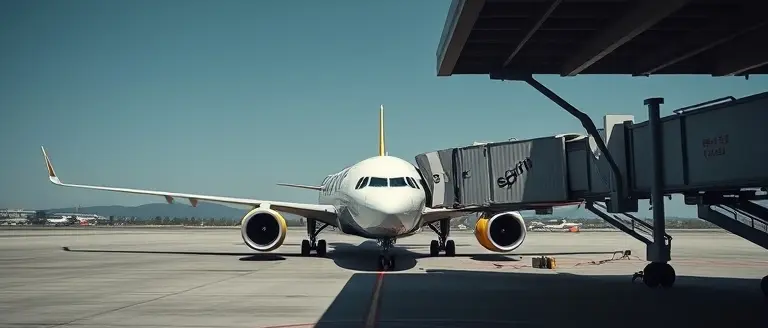
As of 3:00 AM ET on May 2, 2026, Spirit Airlines has officially ceased all operations, effectively ending its 34-year tenure as a cornerstone of the American low-cost carrier market. This historic shutdown follows the total collapse of high-stakes negotiations regarding a proposed $500 million federal rescue package. While industry observers had speculated on the carrier’s future for weeks, the formal announcement confirms that Spirit Airlines is out of business, leaving thousands of passengers stranded and prompting a massive, immediate wind-down of all flight schedules across the United States.
Why Did Spirit Airlines Shut Down?
The rapid disintegration of the airline is being cited by analysts as the first major aviation industry casualty directly linked to the economic volatility caused by the ongoing Iran war. The geopolitical conflict created insurmountable pressure on global fuel prices and domestic supply chains, pushing an already financially vulnerable airline toward insolvency. When the U.S. government declined to finalize the bailout, the airline lacked the liquidity to maintain day-to-day operations.
Key factors contributing to the sudden closure include:
- Failed Bailout Negotiations: The inability to secure the critical $500 million lifeline rendered continued operations financially impossible.
- Geopolitical Headwinds: The economic fallout from the Iran war severely constrained the company’s capital access.
- Orderly Liquidation: The airline has transitioned into a formal wind-down process, which supersedes previous efforts to maintain normal service levels.
Passengers asking, “Did Spirit Airlines go out of business?” should understand that this is not a temporary suspension or a restructuring phase under Chapter 11. The carrier has officially stopped flying, and the focus has now shifted to managed liquidation. Travelers holding tickets for future dates should prioritize monitoring official Department of Transportation (DOT) updates to navigate the refund process, as the scale of this disruption is unprecedented in modern domestic aviation history.
Passenger Survival Guide: What to Do If Your Flight Is Cancelled

If your travel plans have been impacted by the news that Spirit Airlines shuts down, it is critical to act immediately to protect your finances. Because the company has entered an official wind-down process following the collapse of rescue negotiations, standard automated rebooking services are likely unavailable. Under Department of Transportation (DOT) regulations, passengers are entitled to a full cash refund for flights canceled by the airline, regardless of the reason for the cessation.
Securing Refunds and Filing Complaints
To initiate the refund process, visit the official Spirit Airlines website or contact your credit card issuer directly. If you purchased your ticket via a third-party site or a travel agency, reach out to them immediately to request a reversal of charges. If you encounter significant delays or refusal of service:
- File a Formal Complaint: Submit a detailed report through the official DOT Air Consumer Protection website. This creates a regulatory paper trail that is vital if the airline enters liquidation.
- Credit Card Chargebacks: If the airline fails to process your refund within a reasonable timeframe, initiate a “chargeback” with your bank, citing “services not rendered.”
- Documentation: Save all copies of your itinerary, confirmation numbers, and any correspondence regarding the Spirit shutting down event to support your claim.
Rebooking and Credit Card Protection
With did spirit airlines go out of business confirmed, you will need to secure alternative transportation. While no airline is legally obligated to honor Spirit tickets, many competitors often offer “distressed passenger” fares during major industry events. Check the websites of major carriers like Southwest, Delta, or United for available inventory on your route. Furthermore, if you hold a Spirit-branded credit card, contact the issuing bank to inquire about trip cancellation insurance or travel protections that may cover the cost of booking a flight on a different airline. Prioritize these steps over loyalty point redemption, as the value of your existing mileage balance is currently subject to the ongoing liquidation proceedings.
Timeline of the Collapse: From Bailout Talks to Grounding

The final days of Spirit Airlines were characterized by a rapid, systemic failure that culminated in the airline ceasing all operations on May 2, 2026. The crisis began in earnest when leadership formally approached federal regulators for a $500 million emergency bailout. As the Iran war intensified, global oil prices spiked and international logistics chains faced unprecedented strain, leaving the carrier unable to manage its soaring operational costs. While many travelers asked, “did spirit airlines go out of business” during these negotiations, the airline maintained a facade of continuity, even as internal liquidity reached critical lows.
The Final Escalation
Negotiations between the carrier and government officials stalled throughout the first week of May. Reports from Reuters and CNBC confirmed that the Treasury Department remained hesitant to provide the requested liquidity, citing the airline’s inability to present a viable restructuring plan amid the current geopolitical volatility. By the time it became clear that the deal had collapsed, the airline had no remaining financial runway.
The progression toward the final shutdown unfolded in several key stages:
- Late April 2026: Spirit formally requests a $500 million federal bailout, citing the economic fallout of the Iran war as the primary driver of their liquidity crisis.
- May 1, 2026: Rescue talks officially break down. Internal memos indicate that the airline begins preparing for an immediate, orderly wind-down of all service.
- May 2, 2026 (3:00 AM ET): Spirit airlines shuts down operations entirely, grounding its entire fleet and leaving thousands of passengers stranded at airports across the United States.
This rapid sequence of events confirms that the answer to, “why did spirit airlines shut down,” lies in the combination of a failed government rescue package and the crushing economic pressure caused by regional conflict. Passengers across the country are now facing the reality that the carrier has entered a permanent wind-down, shifting the focus from rebooking to securing refunds.
Geopolitical Ripples: How the Iran War Grounded US Travel

The collapse of Spirit Airlines, confirmed on May 2, 2026, serves as a sobering case study on how international instability can trigger domestic economic ruin. While many passengers are asking, did Spirit Airlines go out of business due to mismanagement, the reality is that the carrier became the first major casualty of the ongoing Iran war. The escalation of geopolitical tensions in the Middle East created a perfect storm of economic pressures that smaller, budget-focused carriers were uniquely ill-equipped to survive. Unlike legacy carriers with diverse revenue streams, Spirit’s reliance on thin margins meant it could not absorb the external shocks inherent in this conflict.
The Economic Fallout of Global Conflict
The Iran war exerted immediate pressure on the US aviation sector through three primary channels, effectively ending Spirit’s 34-year history:
- Fuel Price Volatility: As the conflict disrupted transit corridors and energy markets, jet fuel costs skyrocketed. For an airline like Spirit, which utilizes a low-cost model, these fuel spikes eroded any remaining profit margins.
- Supply Chain Constraints: Geopolitical instability has throttled the global supply chain, causing significant delays in aircraft parts and maintenance. The inability to maintain fleet availability meant fewer flights could be operated, directly limiting potential revenue.
- Failed Bailout Negotiations: The economic uncertainty caused by the war made private lenders wary of the airline’s future, forcing the company to seek a $500 million government rescue. When lawmakers ultimately declined the bailout, the firm officially hit the point of no return.
The resulting decision that Spirit Airlines shuts down marks a shift in how we perceive national infrastructure. Because the aviation industry is deeply integrated into global trade and energy markets, it is no longer shielded from the consequences of overseas hostilities. The failure of Spirit to secure funding signifies that in a high-inflation, high-conflict environment, the market’s tolerance for debt-heavy, budget-sensitive business models has effectively evaporated. As passengers now grapple with the fact that Spirit Airlines shut down, the aviation industry faces a broader reality check regarding the fragility of domestic travel during times of international warfare.
Reclaim Your Calm Amidst the Travel Chaos
The sudden collapse of Spirit Airlines has left thousands of travelers in a state of uncertainty, turning long-awaited trips into logistical nightmares. While securing your refund and navigating Department of Transportation complaints are your immediate priorities, the emotional toll of this disruption cannot be underestimated. Dealing with the loss of your flight and the exhausting bureaucratic hurdles of the wind-down process is mentally taxing; when the stress of the situation threatens to cloud your decision-making, it is vital to maintain your mental sharpness.
To successfully handle your financial recovery and manage the complex wind-down protocols, you need more than just information—you need cognitive clarity. This is why we recommend integrating The Brain Song into your daily routine. By helping you combat stress-induced mental fog, it provides the essential cognitive resilience needed to tackle phone queues, document gathering, and rebooking challenges with a steady hand. It is not just a tool; it is a vital survival asset for navigating this crisis.
Don’t let the collapse of your travel plans result in a collapse of your personal focus. Arm yourself with the clarity you need to come out on top of this situation. Regain your mental clarity and focus today by integrating The Brain Song into your daily recovery routine.
 Regain your mental clarity and focus today by integrating The Brain Song into your daily recovery routine.Yes, I Want My Mental Clarity Now!