
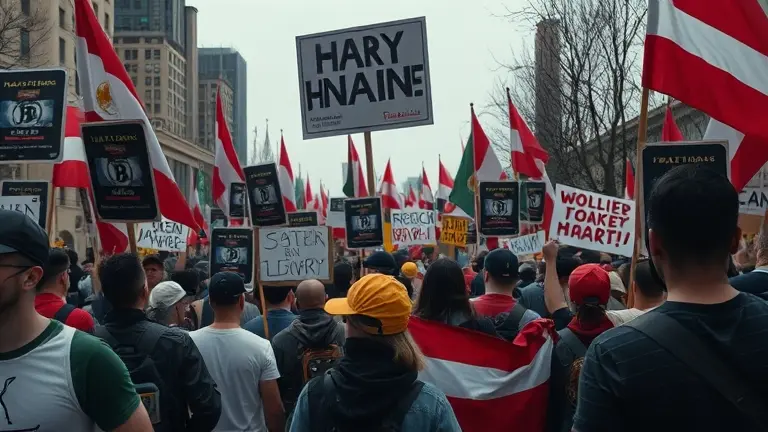
What is May Day? To many, it is a historical nod to the fight for the eight-hour workday, but in 2026, it has transformed into a global cry for economic justice. As energy costs soar and inflation places an unprecedented strain on household budgets, millions are taking to the streets, fueled by the urgent demands of the ‘Workers Over Billionaires’ movement. This year, May 1st stands at the epicenter of a massive, coordinated pushback against systemic inequality, with over 100 U.S. cities reporting large-scale rallies.
The intense wave of activism peaking between April 30 and May 1 represents a desperate, collective need for stability. However, participating in such a high-stakes movement—while juggling the personal stress of rising living costs—takes a toll on the body and mind. As you look for protest locations and seek to understand the deeper economic triggers of this mobilization, it is vital to recognize that your ability to participate depends on your own resilience and cognitive clarity during these exhausting times.
Why May Day 2026 is the Focal Point of Modern Labor Activism
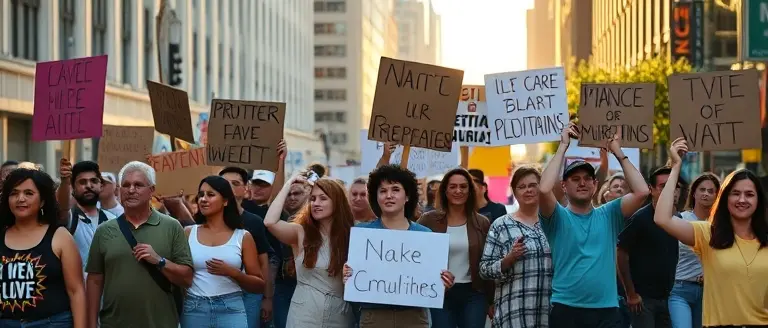
May Day 2026 represents a historic turning point in the trajectory of the American labor movement. While the holiday historically commemorates the fight for the eight-hour workday, this year’s observances have transformed into a massive, coordinated response to acute economic instability. As individuals search for when is May Day to align their participation, they are discovering a landscape defined by the “Workers Over Billionaires” campaign. This movement has successfully mobilized labor activists across more than 100 U.S. locations, creating a unified front that bridges the gap between historical advocacy and modern fiscal desperation.
The Economic Drivers of 2026 Mobilization
The surge in May Day protests is not accidental; it is a direct reaction to the economic fallout of the ongoing ‘Iran War.’ This conflict has disrupted global supply chains, leading to a volatile spike in energy costs and persistent inflation that has eroded household purchasing power. For millions of Americans, the cost-of-living crisis is no longer a peripheral concern but a primary driver for collective action. Key factors fueling this year’s record-breaking participation include:
- Soaring Energy Costs: Essential fuel and electricity prices have crippled low-to-middle-income families, making the demand for wage indexation a priority.
- The ‘Workers Over Billionaires’ Mandate: A grassroots rallying cry that highlights the widening wealth gap, demanding that corporate profits be redirected toward employee welfare.
- National Solidarity: Coordinated efforts in states like Massachusetts demonstrate a localized yet high-intensity strategy to force legislative attention on working conditions.
By connecting these modern grievances to the tradition of May Day, activists are emphasizing that the struggle for economic dignity is perennial. Today, the movement continues to evolve, moving beyond annual symbolism to become a powerful, sustained instrument for policy reform and immediate economic relief.
Find a Rally Near You: The ‘Workers Over Billionaires’ 2026 Map

If you are asking when is May Day and looking to participate in the growing labor movement, you are part of a nationwide surge in activism. The 2026 mobilization, centered on the ‘Workers Over Billionaires’ campaign, has identified over 100 focal points across the United States. These gatherings are specifically designed to address the crushing economic fallout of the current ‘Iran War,’ which has triggered unprecedented spikes in energy costs and inflation. Activists are coordinating across state lines to ensure that these May Day protests remain high-visibility events that demand structural economic reform, higher wages, and immediate relief for the American workforce.
Major Mobilization Hubs
While local chapters are organizing in cities large and small, national reports suggest that the highest density of activity is occurring in major industrial and urban centers. Key zones for this year’s demonstrations include:
- The Northeast Corridor: Significant activity is reported across Massachusetts and New York, where labor unions and local community groups have united to protest the cost-of-living crisis.
- The Pacific Northwest: Significant mobilization is occurring in cities like Seattle and Portland, with a focus on fair wage legislation.
- The Midwest Industrial Belt: Activists are centering their efforts around major transit hubs and government buildings to highlight the impact of energy inflation on the working class.
- Sun Belt Cities: Rapid growth in organizing efforts has been observed in key Southern metropolitan areas, focusing on equitable resource distribution.
To ensure you have the most accurate and up-to-date information for your specific region, visit the official Workers Over Billionaires website. Their interactive digital dashboard allows you to input your zip code to locate the nearest rally, view specific start times, and sign up for volunteer shifts. Whether you are seeking historical context or direct action, participating in these local sites is the most effective way to engage with the movement and understand the collective power driving what is May Day in 2026.
5 Facts You Didn’t Know About May Day 2026

Understanding what is May Day in the context of 2026 requires looking beyond tradition. While the holiday historically commemorates the fight for the eight-hour workday, this year marks a significant inflection point in American labor history. Here are five essential facts defining the current wave of activism:
1. The Inflationary Catalyst
While traditional observances focus on labor history, May Day protests in 2026 are primarily driven by the economic fallout of the “Iran War.” As global energy costs and cost-of-living pressures have reached historic highs, the focus has shifted toward immediate wage protection, making this one of the most economically reactive demonstrations in decades.
2. A Historic Inflection Point
Experts suggest that 2026 represents a unique “perfect storm” for labor. The combination of stagnant wages and hyper-inflation has bridged the gap between traditional union members and gig-economy workers, creating an unprecedented coalition of protestors across more than 100 U.S. cities.
3. The ‘Workers Over Billionaires’ Movement
The rallying cry for this year’s action is the “Workers Over Billionaires” campaign. This digital-to-physical mobilization movement highlights the stark disparity between corporate profits and worker purchasing power, utilizing social media to coordinate mass rallies that are far more decentralized than the labor strikes of the 20th century.
4. Evolution of Labor Tactics
Unlike the localized picket lines of the past, the 2026 approach relies on high-intensity, widespread coordination. By targeting over 100 locations in states like Massachusetts, organizers are utilizing a “distributed action” strategy that makes it difficult for national authorities to ignore the collective demand for better working conditions.
5. Why Timing Matters
When users ask when is May Day, the answer is more than just a date; it is a tactical choice. By peaking between April 30 and May 1, organizers are intentionally leveraging the international significance of the holiday to maximize global media coverage, putting direct pressure on policymakers to address energy inflation and labor reform before mid-year fiscal planning begins.
Beyond the Protest: Analyzing the Economic Fallout of the Iran War

The resurgence of labor activism witnessed during May Day 2026 is not merely a symbolic nod to history; it is a direct, reactive response to the deepening economic instability triggered by the ongoing Iran War. As supply chains have constricted and energy markets faced severe volatility, American households have felt the sharp sting of a persistent cost-of-living crisis. This year, when asking what is May Day, the answer has shifted from purely historical remembrance to a contemporary rallying cry for economic survival. The surge in may day protests across the United States is anchored in the reality that wage growth has failed to keep pace with the hyper-inflationary pressure on essential goods.
Structural Drivers of the 2026 Mobilization
The “Workers Over Billionaires” campaign has successfully tapped into a growing national sentiment that the current economic structure disproportionately shields corporate interests while burdening the working class. Several key factors are driving this high-intensity engagement:
- Energy Cost Spikes: The conflict has disrupted global oil transit, leading to a significant hike in transportation and heating costs, which disproportionately impacts low-to-middle-income families.
- Inflationary Pressure: Consumer prices for food and essential services have reached levels not seen in decades, effectively eroding purchasing power.
- The “Workers Over Billionaires” Movement: This campaign has unified disparate local labor groups, providing a clear focal point for protesters who feel marginalized by current fiscal policy.
The data suggests that the intensity of this year’s may day activities is directly correlated with localized economic hardship. In regions like Massachusetts, where over 100 protest locations have been identified, activists are highlighting the disconnect between stagnant pay and record-setting corporate profits. By linking historical labor struggles to today’s urgent economic narrative, the 2026 movement is demanding systemic changes—ranging from mandated cost-of-living adjustments to more aggressive taxation on those profiting from war-time volatility. For many participants, these rallies represent the only available mechanism to force a national conversation on wealth distribution and the immediate need for a more resilient economic framework.
Sustaining Your Voice in a High-Stakes Movement
As we witness the massive scale of the May Day 2026 mobilizations, it is clear that this is more than a historical anniversary—it is a critical response to the overwhelming cost-of-living crisis and economic instability triggered by the Iran War. Staying informed and active in the ‘Workers Over Billionaires’ campaign requires more than just passion; it demands physical and mental endurance to navigate the complexities of our current economic landscape.
In an era of economic uncertainty where staying sharp and informed is a form of activism, many workers are finding that physical fatigue and brain fog are the biggest barriers to sustained engagement. When you are fighting for your future, you cannot afford to be held back by mid-day energy crashes that cloud your judgment and drain your focus.
This is where Sugar Defender becomes an essential ally. By supporting your metabolism and helping maintain consistent energy levels, it provides the cognitive clarity you need to stay alert and proactive during long hours of research, community organizing, and rallying. Don’t let burnout diminish your impact; prioritize your physical foundation to ensure you remain a powerful, clear-headed voice for change.
 Regain your mental clarity and keep your energy steady for the movement—check out how to support your metabolism during high-stress times here.Transform My Energy Levels Today!