
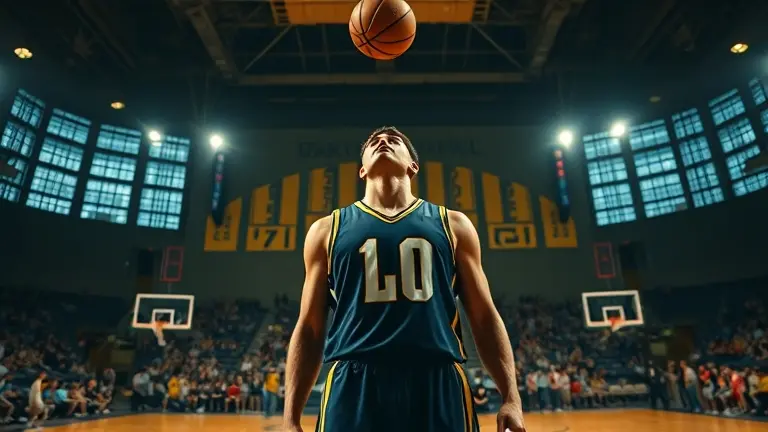
When Olivier Rioux, the 7-foot-9 giant of the hardwood, announced his transfer from the University of Florida to UC Irvine on April 30, 2026, the college basketball world collectively paused. While the headlines predictably fixated on his staggering physical stature, the real intrigue lies in the tactical evolution of his career. Moving from a high-major SEC program to the competitive landscape of the Big West, Rioux isn’t just looking for playing time—he is looking for a system that can translate his generational size into a refined, high-impact collegiate presence.
Beyond the ‘tallest player’ narrative, Rioux’s integration into UC Irvine presents a fascinating case study in athlete development. Success in a new program requires far more than physical adjustments; it demands deep psychological acuity and the ability to rapidly digest complex tactical instructions. As Rioux prepares to redefine his role on the court, his journey highlights a crucial reality for all elite competitors: the most significant growth often happens within the mental framework of the game, where split-second decisions dictate the difference between being a novelty and a star.
Olivier Rioux’s Transfer to UC Irvine: The Move That Could Reshape His Career
On the morning of April 30, 2026, the college basketball landscape shifted when Olivier Rioux, the towering 7-foot-9 center, officially announced his transfer to the UC Irvine Anteaters. This decision effectively concluded the uncertainty surrounding the Canadian-born phenom, who had entered the NCAA transfer portal in March 2026 following his tenure at the University of Florida. By choosing to move from a high-major SEC program to a mid-major powerhouse in the Big West Conference, Rioux signaled a strategic pivot toward a developmental environment prioritized by coaching staffs known for maximizing unique player profiles.
Strategic Shift from SEC to Big West
The transition to UC Irvine basketball represents more than just a change in geography; it is a calculated effort to refine his game away from the relentless intensity of the SEC. While his height makes him a perennial “campus-wide curiosity,” the Anteaters’ system offers a lower-stakes environment that is historically conducive to skill acquisition. For olivier rioux uc irvine transfer prospects, the move highlights several key developmental advantages:
- Systemic Fit: UC Irvine’s coaching staff has a proven track record of elevating interior players through disciplined defensive schemes and high-percentage offensive execution.
- Winning Pedigree: By joining a program that secured a 23-12 record and a Big West regular-season title last season, Rioux enters a culture of excellence rather than a rebuilding phase.
- Reduced Visibility Pressure: Playing within the Big West allows Rioux to develop his conditioning and fundamentals out of the extreme national media spotlight that accompanied his time in Florida.
Ultimately, this move aligns with a broader trend of “atypical” athletes seeking institutions that prioritize specialized player development over high-major brand prestige. Analysts suggest that if Rioux can leverage this platform to sharpen his mobility and endurance, his contributions to the Anteaters could extend far beyond his record-breaking physical stature.
Tactical Integration: How the Anteaters Plan to Utilize a 7-foot-9 Anchor
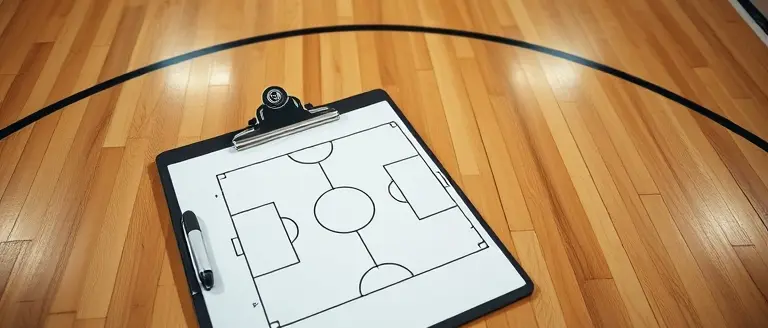
The arrival of Olivier Rioux at UC Irvine represents a significant departure from the traditional Big West style of play, which typically favors high-tempo, guard-oriented sets. Standing at 7-foot-9, Rioux forces the coaching staff to move away from modern small-ball versatility toward a structure that prioritizes interior gravity. By functioning as a vertical deterrent, Rioux allows the UC Irvine basketball program to funnel opposing drives into a congested paint, effectively limiting high-percentage shots at the rim. His presence alone acts as a perimeter disruptor, as opposing offenses must account for his massive wingspan, which fundamentally alters the geometry of the court.
Strategic Adjustments and Development
To maximize Rioux’s impact, the Anteaters must implement specific tactical shifts to mitigate his mobility challenges:
- Pick-and-Roll Positioning: Instead of aggressive hedging, the coaching staff is expected to transition into a “drop” coverage scheme. By keeping Rioux near the basket, the team minimizes the space he needs to cover laterally while allowing him to contest floaters and layups.
- Offensive Gravity: Rioux will act as a primary screening anchor. His sheer size creates wider lanes for UCI guards to penetrate, forcing help-side defenders to collapse and leaving perimeter shooters open for high-percentage looks.
- Pace-of-Play Management: Recognizing the physical demand of navigating a full-court pace, the team will likely utilize a “slow-down” approach in half-court sets to ensure Rioux remains rested and effective during crucial late-game moments.
The UC Irvine transfer is not merely a novelty; it is a calculated bet on roster construction. By integrating a player of his stature, the Anteaters are betting that their disciplined defensive culture can compensate for potential pace-of-play deficits. While the adjustment period for a player of his unique build is often extensive, the coaching staff’s commitment to his development suggests that Rioux will eventually serve as the cornerstone of a transformed defensive identity in the Big West.
Development Paths: Comparing High-Major and Mid-Major Environments for Atypical Athletes

The transfer of Olivier Rioux from the SEC to the Big West highlights a growing trend among elite, atypical athletes who prioritize specialized development over the high-stakes churn of high-major programs. While the SEC offers elite exposure and national prestige, the developmental track is often optimized for immediate impact and rotation-heavy efficiency. For a 7-foot-9 athlete like Rioux, whose physical profile necessitates a highly specific, personalized regimen, the intense, game-by-game pressure of a powerhouse program can sometimes stifle long-term progress. In contrast, the environment at UC Irvine often provides the breathing room required for players to refine niche skill sets without the looming shadow of frequent roster turnover.
Why Mid-Major Programs Foster Niche Talent
Moving to UC Irvine basketball shifts the focus from competitive survival to technical mastery. Programs with a winning pedigree, such as the one led by the Anteaters, are increasingly adept at integrating non-traditional prospects by focusing on:
- Individualized Training Volume: Unlike large-scale programs that prioritize team-wide schematic conditioning, mid-major systems frequently allow coaching staffs to dedicate more one-on-one time to technical mechanics, such as footwork and post-entry passing for taller players.
- Reduced Tactical Pressure: By operating in a “lower stakes” environment, Rioux can focus on physical conditioning and basketball IQ without the constant threat of being buried in a deep, veteran-heavy rotation.
- Strategic Role Definition: The UC Irvine transfer allows the coaching staff to tailor their system around Rioux rather than forcing a unique athlete to conform to an existing, rigid blueprint.
Evidence suggests that for athletes with specialized physical attributes, the “Big West approach” offers a more sustainable trajectory. By prioritizing developmental metrics over the immediate “win-now” pressure of the SEC, Rioux and similar players can build a more versatile skill set, ultimately maximizing their professional potential in a structured, deliberate manner. This transition represents a shift in how elite prospects navigate the NCAA landscape, proving that success is often found in the environment that best supports a player’s specific growth needs.
Beyond the Curiosity: Defining Rioux’s Contribution to Campus Culture

While Olivier Rioux will inevitably capture headlines for his unprecedented 7-foot-9 stature, the real narrative of his transition to UC Irvine centers on his evolution as a collegiate student-athlete rather than a physical anomaly. At the University of Florida, the constant “tallest player” spotlight often overshadowed his individual development. However, his UC Irvine transfer signifies a strategic shift toward a developmental environment where the focus moves from spectacle to substance. For the Anteaters, Rioux represents a significant cultural asset, bringing a unique perspective on managing high-visibility expectations while integrating into a rigorous UC Irvine basketball program known for its disciplined, winning culture.
Integrating into the Anteater Community
The expectation for Rioux in the Big West Conference is not merely to loom over the paint, but to serve as a cornerstone of team identity. Coaches and teammates have emphasized that his integration into the campus culture is a priority, viewing his presence as a catalyst for increased fan engagement and community morale. Beyond the court, Rioux is positioned to become a central figure in the Anteater sports ecosystem, provided he successfully manages the balance between his viral fame and his athletic responsibilities. To maximize his impact, the program is focusing on several key areas:
- Mentorship and Locker Room Presence: Transitioning from an SEC program to a mid-major, Rioux is expected to lead by example, utilizing his international experience to mentor younger roster members.
- Tactical Defensive Anchor: Utilizing his reach to disrupt perimeter shooters and rim-protect in a way that forces opposing offenses to alter their traditional game plans.
- Academic and Social Integration: Leveraging his status to unify the student body, shifting the narrative from “campus-wide curiosity” to a respected contributor within the university’s athletic legacy.
Evidence suggests that by fostering a “lower stakes” but highly competitive environment, UC Irvine provides the ideal infrastructure for Rioux to refine his footwork and conditioning. As he settles into Irvine, the focus must remain on his statistical output—specifically his efficiency in high-percentage scoring opportunities and his rebounding metrics—to prove that his value to the program extends well beyond his height.
Mastering the Mental Game for Elite Performance
Olivier Rioux’s transition to UC Irvine is about more than just his historic 7-foot-9 frame; it represents a tactical shift that demands unparalleled mental adaptation. Succeeding in the Big West Conference requires mastering complex playbooks and reacting to defensive schemes in a fraction of a second. The physical tools get you to the court, but it is the cognitive agility and the ability to process tactical information under pressure that ultimately determine a player’s impact at the collegiate level.
For athletes and high achievers, this level of mental discipline isn’t just a byproduct of training—it is a skill that must be sharpened. Much like Rioux must now refine his basketball IQ to fit a new system, you can elevate your own potential by optimizing your brain’s processing speed. Integrating a structured cognitive routine can bridge the gap between raw ability and expert execution, ensuring you stay focused when it matters most.
If you are looking to enhance your mental clarity and reduce the fatigue that comes with high-stakes environments, the secret lies in consistency. The Brain Song is designed to provide that cognitive edge, helping you maintain peak learning capacity and focus throughout your most rigorous daily demands. It is the perfect tool for those ready to move past plateaus and unlock a new level of mental mastery.
 Unlock your peak cognitive performance and master your game with the daily 12-minute audio routine used by high achievers.Yes, I Want to Sharpen My Focus Today!