
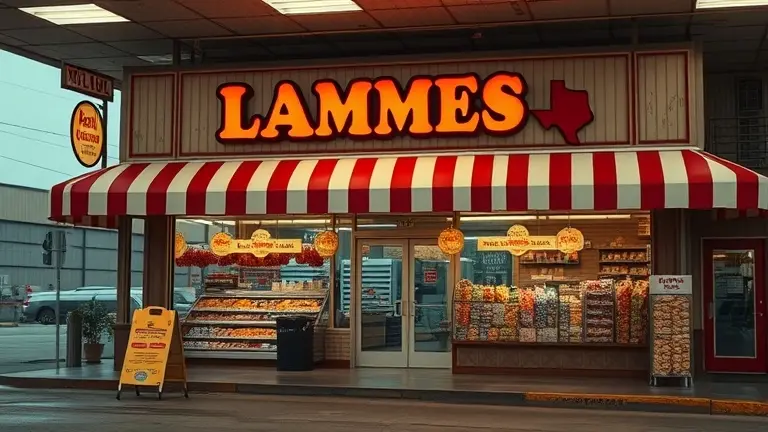
For 141 years, the sweet, buttery aroma of pralines at Lammes Candies served as a cornerstone of the Texas culinary identity. From its humble beginnings in 1885 to its final days at the iconic Airport Boulevard facility in Austin, the family-owned institution wasn’t just selling confections; it was selling a piece of history. However, as of April 29, 2026, the quiet shuttering of their final retail and manufacturing plant has sent shockwaves through the community. Citing the crushing weight of unprecedented economic pressures and a rapidly shifting retail landscape, Lammes has officially closed its doors, marking a somber conclusion to over a century of artisanal excellence.
The loss of such a foundational business raises uncomfortable questions about the viability of legacy brands in our modern, automated economy. When a brand that has survived wars, depressions, and social revolutions finally folds, we are left to confront the fragility of heritage in the face of today’s supply-chain volatility and inflationary strain. This isn’t just about the end of a beloved praline recipe; it is a profound sociological shift, signaling the disappearance of the human touch in the goods we consume every day.
The End of an Era: Lammes Candies Announces Permanent Closure
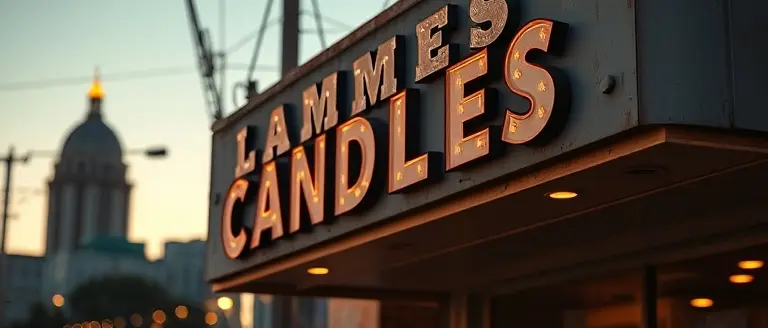
On April 29, 2026, a somber chapter in American confectionery history came to a close as the historic candy store chain closes its doors for the final time. Lammes Candies, an institution that stood as a pillar of Texas culture since its inception in 1885, officially announced the total cessation of all business operations. This move is not merely a retail consolidation; the company confirmed the permanent shuttering of its final manufacturing facility located at 5330 Airport Blvd. in Austin, effectively ending 141 years of continuous production of their legendary Texas-style pralines and signature Longhorns.
Economic Realities and the Loss of a Legacy
The decision to dissolve the brand was attributed to a combination of mounting challenges that have become increasingly common for artisanal manufacturers in the current climate. Ownership pointed to two primary catalysts for the closure:
- Unprecedented economic pressures: Rising costs of raw ingredients, such as pecans and sugar, combined with labor expenses, created an unsustainable financial model.
- Shifting market conditions: A significant transformation in consumer purchasing habits, coupled with the volatility of the retail landscape in 2026, left the historic brand unable to adapt its traditional business structure.
For over a century, Lammes Candies served as more than just a purveyor of sweets; it was a symbol of generational consistency in a rapidly evolving Texas. The closure of their primary manufacturing plant confirms that the brand will not be pivoting to an online-only model, marking a definitive end for a company that survived two World Wars, the Great Depression, and numerous economic cycles. The loss of this iconic Texas manufacturer underscores a growing trend where even the most deeply rooted heritage brands are struggling to maintain viability against the supply-chain and inflationary headwinds defining the mid-2020s. As the shutters close in Austin, the confectionery industry loses a standard-bearer of quality and tradition.
A Century of Texas Confectionery: Celebrating the Lammes Legacy

For 141 years, Lammes Candies served as more than just a sweet-shop chain; it was a cornerstone of Texan identity. Established in 1885, long before the modern tech-boom transformed Austin into a global metropolis, the company provided a sugary link to the state’s heritage. The recent announcement that this historic candy store chain closes its doors forever marks the end of an era, leaving a void in the cultural landscape that transcended mere retail transactions. Families across the Lone Star State grew up with the distinct, buttery aroma of their manufacturing facilities, which defined the sensory history of the region for generations.
The Iconic Flavors of a Generation
The brand’s longevity was anchored in a commitment to traditional recipes that refused to compromise, even as the broader food industry pivoted toward automation and synthetic ingredients. Their most famous offerings became cultural staples, frequently gifted during holidays and major life milestones:
- Texas-style Pralines: The gold standard of Southern confections, crafted with fresh pecans and a signature creamy texture that competitors struggled to replicate.
- Longhorns: A decadent signature creation of caramel and pecans coated in milk chocolate, serving as a quintessential “taste of Texas” for visitors and locals alike.
- Heritage Recipes: A catalog of hand-crafted sweets that preserved the artisanal methods of the 19th century through the digital age.
By integrating itself into the fabric of Texas traditions, Lammes became a symbol of continuity. While the state rapidly evolved around it, a box of Lammes remained a reliable, nostalgic touchstone. The permanent cessation of operations at their final facility on Airport Blvd. is not just a business closure; it is the silent departure of a landmark institution that taught Texans how to celebrate their history, one piece of candy at a time. The legacy left behind is one of craftsmanship, family values, and an enduring connection to the authentic roots of Austin.
The Pressure Cooker: Why Heritage Brands Are Struggling
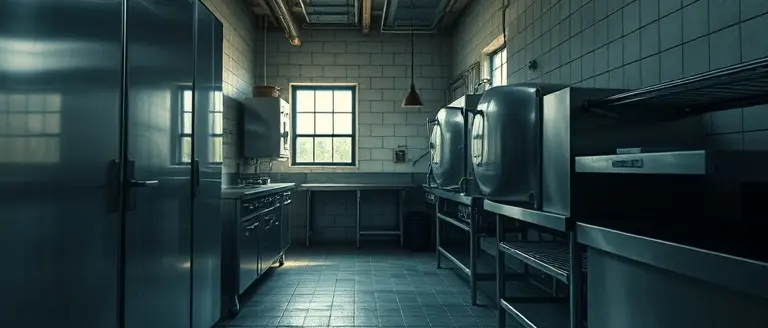
The permanent shuttering of a 141-year-old institution like Lammes Candies serves as a stark reminder of the “pressure cooker” environment facing many American legacy businesses. When a historic candy store chain closes, it is rarely due to a single failure, but rather the cumulative weight of modern economic volatility. In cities like Austin, where rapid urbanization has driven commercial real estate prices to unsustainable heights, family-owned manufacturers are often forced to choose between legacy and survival. These businesses, which often own or occupy long-standing facilities, face a paradoxical challenge: their traditional, craft-based production methods are frequently incompatible with the lean, high-margin models required to survive in an era of persistent inflation and supply chain instability.
Economic Factors Eroding Legacy Success
The struggle to maintain artisanal quality while managing global supply chain shifts has left multi-generational companies uniquely vulnerable. Several key factors are driving this trend:
- Skyrocketing Operating Costs: In high-growth regions like Texas, property taxes and utility costs for large, older manufacturing sites often outpace revenue growth, squeezing margins on established products like the iconic Texas-style pralines.
- Labor Market Shifts: Recruiting and retaining skilled confectionery artisans in a competitive urban labor market creates a significant burden for firms that rely on manual labor rather than full automation.
- Supply Chain Fragility: Rising costs for raw materials—specifically sugar, cocoa, and nuts—disproportionately impact small-to-medium manufacturing, where bulk purchasing power is dwarfed by mass-market competitors.
Ultimately, the closure of entities such as Lammes Candies illustrates the growing divide between heritage brands and the modern retail economy. While these institutions provide immense cultural value, they often lack the capital flexibility to pivot toward the digital-first, low-overhead models that characterize the current consumer landscape. This loss marks a transition point where local heritage is increasingly replaced by standardized, centralized production, signaling that even the most storied brands are not immune to the unforgiving economics of the 2026 marketplace.
Austin’s Changing Identity: The Loss of Local Institutions
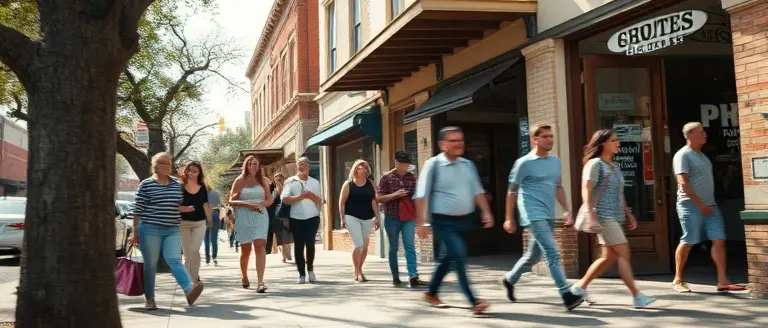
The announcement that a historic candy store chain closes marks a poignant turning point for Austin, Texas. For 141 years, Lammes Candies served as more than just a purveyor of confections; it acted as a cultural anchor, linking generations of Texans through the shared tradition of their iconic pralines and Longhorns. As the city undergoes rapid modernization and an influx of national corporate entities, the closure of such a storied institution highlights a growing sociological crisis: the erosion of the “local soul.” When heritage businesses vanish, the community loses a physical touchstone of its history, leaving behind a homogenized landscape that feels increasingly disconnected from the city’s unique, artisanal origins.
The Erosion of Heritage in Modern Business
The permanent shutdown of all retail locations—including the essential manufacturing facility on Airport Blvd—signifies a broader trend where legacy brands struggle to survive the compounding pressures of 2026. This closure is not merely a business failure; it is a symptom of an economic climate where artisanal, family-owned manufacturers are squeezed by soaring supply-chain costs and shifting consumer demographics. The loss of such long-standing institutions has several lasting impacts on the regional identity:
- Loss of Cultural Continuity: Families who have passed down the tradition of visiting these stores now lose a vital connection to Texas history.
- Homogenization of the Market: As independent staples disappear, they are frequently replaced by scalable, high-margin corporate chains that lack regional character.
- Economic Vulnerability: The inability of a century-old brand to pivot suggests that even the most iconic, time-tested business models are now susceptible to unprecedented inflationary and market-driven volatility.
As Austin continues its evolution, the disappearance of brands like Lammes Candies serves as a stark reminder of what is traded away in the name of progress. The community is left to reckon with a future where the physical markers of their past are replaced by modern efficiency, underscoring the delicate balance between urban growth and the preservation of local heritage.
Keeping the Spirit of Craftsmanship Alive
The closure of Lammes Candies reminds us that institutions are often tethered to the physical labor and dedicated craftsmanship of those who built them. While we mourn the loss of these historical pillars that defined a generation, we are also reminded that the spirit of true craftsmanship doesn’t have to disappear—it can be rediscovered and nurtured right in our own workshops. By shifting our focus from passive consumption to active creation, we can honor the tradition of manual labor that defined heritage brands for over a century.
In an increasingly automated world, your own hands remain the most powerful tool for preserving legacy and quality. Ted’s Woodworking acts as a guardian of this craftsmanship, providing a practical, step-by-step system that allows you to master the art of making things by hand. By engaging with these time-honored skills, you bridge the gap between historical appreciation and modern productivity, ensuring that the value of ‘making’ continues through your own efforts.
This is your opportunity to pick up the mantle of the creator and build something that lasts far longer than any storefront. Whether you are a beginner or a seasoned hobbyist, you have the potential to produce professional-quality results that mirror the dedication and care once found in the finest workshops of our past.
 Start building your own legacy today; explore the 16,000 plans in Ted’s Woodworking and take the first step toward mastering a craft that lasts a lifetime.Yes, I Want to Start My Craft!