
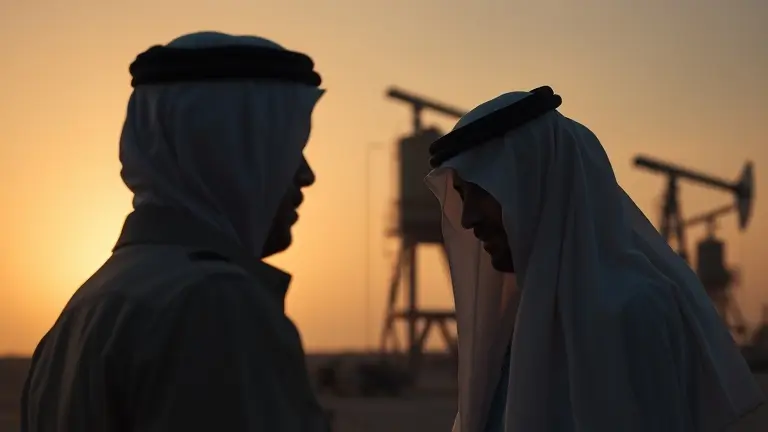
The global energy landscape is undergoing its most radical transformation in decades. On April 28, 2026, the United Arab Emirates sent shockwaves through international markets by formally announcing its withdrawal from both OPEC and the wider OPEC+ alliance, effective May 1, 2026. This decisive split, following nearly 60 years of participation, is far more than a diplomatic rupture; it is a strategic pivot designed to decouple the UAE’s national economic interests from the rigid production quotas of the cartel. This move comes at an incredibly fragile moment, as an ‘unprecedented energy crisis’—exacerbated by the volatile conflict involving Iran—threatens to destabilize supply chains and ignite a new era of unpredictable price fluctuations for consumers worldwide.
While financial analysts scramble to decipher the geopolitical implications for Saudi Arabia and the shifting power dynamics of the Gulf, the average reader is left to wonder: what does this actually mean for my wallet? As we move beyond the immediate headlines, this deep dive explores why the UAE is prioritizing independent production, how this shift impacts your future energy costs, and why the fragmentation of OPEC+ could signal a permanent change in how your household budget is affected by global market volatility.
The UAE’s Departure from OPEC: A Seismic Shift in Global Energy
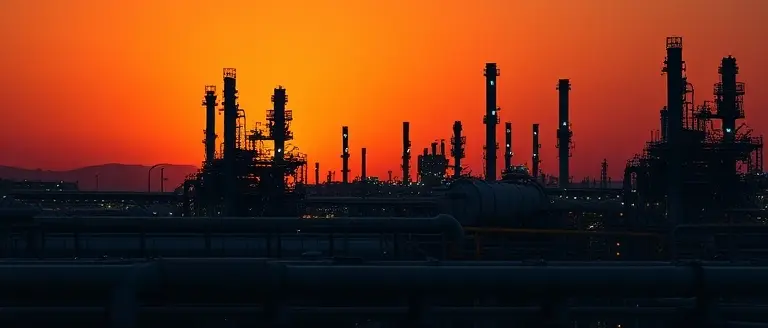
On April 28, 2026, the global energy landscape underwent a transformation as the United Arab Emirates formally announced its immediate withdrawal from both OPEC and the wider OPEC+ alliance. This decision, set to take effect on May 1, 2026, concludes nearly 60 years of UAE membership in the cartel. The move is not merely a diplomatic departure; it represents a calculated pivot toward independent economic sovereignty. By exiting the organization, the UAE gains the autonomy to ramp up oil production and pursue strategic energy investments without the constraints of collective quota systems, a capability that analysts believe will challenge the established market dominance of Saudi Arabia.
The timing of this exit is inextricably linked to the ongoing war involving Iran, which has triggered an unprecedented energy crisis. As regional geopolitical tensions reach a boiling point, the UAE’s decision highlights a growing fracture among Gulf nations regarding security and economic prioritization. With the conflict causing significant supply chain disruptions and price volatility, the UAE has opted to prioritize its own national output goals over the cartel’s long-standing strategy of managed scarcity.
Key Factors Driving the UAE’s Exit
- Geopolitical Realignment: The ongoing conflict with Iran has exposed deep-seated discord within the Gulf, forcing nations to reconsider their long-term security and economic partnerships.
- National Economic Goals: By operating outside of the alliance, the UAE can aggressively increase its export capacity to capitalize on current energy demand shifts.
- Market Volatility: The immediate reaction from global traders suggests a move toward a new, unpredictable market era, as the cartel loses a major producer to the ranks of independent players.
This seismic shift marks the beginning of a period defined by increased market competition. As of May 1, 2026, the UAE exiting OPEC serves as a signal to the world that energy policy is becoming increasingly nationalistic, prioritizing domestic production capacity over the collective stability goals of the former OPEC+ coalition. This transition is expected to keep energy markets in a state of high alert as investors parse the impacts of a supply-side landscape no longer held together by consensus.
Geopolitical Catalyst: How the Iran Conflict Redefined Gulf Strategy

The formal decision of the UAE exiting OPEC on May 1, 2026, is not merely an economic realignment; it is a direct response to the “unprecedented energy crisis” precipitated by the ongoing war involving Iran. As regional hostilities escalated, the traditional consensus-based decision-making process within OPEC+ became a liability for Abu Dhabi. While Saudi Arabia and other member states sought to maintain price stability through collective production cuts, the UAE determined that its sovereign security and national economic resilience required the ability to act unilaterally, particularly as the conflict threatened critical maritime chokepoints and energy transit routes.
Fragmentation of the Gulf Consensus
The discord within the Gulf Cooperation Council regarding the Iran conflict has reached a boiling point. The UAE’s move signals a shift toward a more aggressive, independent foreign policy that prioritizes domestic energy independence over the rigid constraints of cartel quotas. By breaking away, the UAE effectively isolates its output from the geopolitical negotiations that have long dominated OPEC’s agenda. Analysts suggest that this pivot serves three primary strategic functions:
- Sovereign Flexibility: Removing the shackles of production quotas allows the UAE to maximize revenue, providing the capital necessary to bolster national defense and economic diversification programs amid regional instability.
- Geopolitical Hedging: By opting out of the OPEC+ framework, the UAE distances itself from group-wide policies that may be perceived by external actors—and specifically the Iranian leadership—as being tethered to Saudi regional security objectives.
- Strategic Autonomy: The UAE is prioritizing its status as a reliable energy provider for global markets, free from the political friction that characterizes current collective negotiations.
Ultimately, the decision reflects a fundamental breakdown in the shared security architecture of the Gulf. As of May 1, 2026, the UAE is no longer bound by the diplomatic compromises of the cartel, marking a definitive end to the era where regional energy policy was inextricably linked to collective consensus. This move underscores the reality that in an era of heightened conflict, economic sovereignty is now viewed by the UAE as a critical component of national security.
Independent Policy: The Impact on Domestic Production and Global Supply

The UAE exiting OPEC on May 1, 2026, signals a pivot from group-mandated quotas toward an aggressive, production-led economic strategy. By removing itself from the constraints of the OPEC+ alliance, the UAE is positioning its domestic energy sector to maximize revenue through increased volume rather than managed scarcity. This transition is expected to invite a significant influx of foreign direct investment (FDI) into Emirati infrastructure. As international energy firms look to capitalize on the UAE’s unrestricted expansion, domestic production capacity is projected to scale rapidly, effectively decoupling Emirati supply from the traditional, consensus-based output limits that previously governed the region’s exports.
Implications for Global Supply Chains
The shift toward an independent policy creates a twofold effect on global oil markets. Historically, OPEC’s managed output provided a predictable—albeit artificial—floor for pricing. The UAE’s move introduces a new, uncoordinated variable into the equation:
- Supply Surpluses: Increased Emirati production may create a localized surplus that exerts downward pressure on global benchmarks, potentially softening prices for consumers in the short term.
- Volatility Risks: Conversely, the lack of central coordination creates significant market uncertainty. If the UAE’s production surge triggers a “bitter price war” with former partners, the resulting supply chaos could spike volatility, complicating long-term planning for energy-importing nations.
- Decoupling from Cartel Influence: By operating outside the cartel, the UAE gains the autonomy to pivot production based on its internal industrial goals, rather than the collective geopolitical interests of the Gulf.
Ultimately, this move forces a reassessment of global supply-side dynamics. While the market initially fears the loss of the group’s “stabilizing” influence, the increased liquidity provided by an independent UAE could eventually normalize supply levels, provided that the current geopolitical friction remains localized. Investors and stakeholders should watch for upcoming infrastructure capacity reports to gauge the true scale of the UAE’s expansion post-May 2026.
OPEC’s Future: Is This the Beginning of the End for Cartel Dominance?

The formal withdrawal of the UAE from OPEC and the broader OPEC+ alliance, effective May 1, 2026, represents the most significant fracture in the organization’s history since its inception. By choosing to prioritize independent production targets and national economic sovereignty, the UAE has effectively challenged the long-standing hegemony of Saudi Arabia. Analysts suggest that this exit strips the cartel of its ability to act as a monolithic regulator of global supply, potentially triggering a transition toward a fragmented, highly competitive oil market where individual national interests override collective production quotas.
Market Implications: A Q&A for Stakeholders
As investors and market participants navigate the fallout of this decision, several critical questions emerge regarding the future of energy price discovery and cartel stability:
- Does this trigger a domino effect? While the UAE is the first to exit under the duress of the current Iran-related energy crisis, other members facing fiscal pressure may feel emboldened to follow suit, further diluting the group’s market power.
- What happens to price stability post-May 1, 2026? The lack of a unified front likely increases short-term market volatility. Without the UAE’s compliance, the “OPEC+” mechanism loses its credibility as a tool for managing supply, increasing the risk of a bitter price war.
- How does this affect Gulf power dynamics? The exit signals a decoupling of Emirati and Saudi energy policies. This shift suggests that the UAE is positioning itself to capture greater market share during a period of high global demand, directly challenging the leadership structure that has defined regional geopolitics for decades.
Ultimately, the viability of the cartel now rests on whether it can maintain internal cohesion among its remaining members. If the organization fails to enforce discipline in a post-UAE landscape, the era of OPEC’s undisputed influence may well be drawing to a permanent close.
Stabilizing Your Personal Economy in an Uncertain Era
The UAE’s departure from OPEC on May 1, 2026, serves as a definitive turning point for the global energy market. As the cartel’s influence wanes and independent production strategies take center stage, we should anticipate a period of heightened market friction and inflationary pressure. While the macroeconomic forces triggered by these geopolitical shifts are largely beyond our control, the resulting volatility remains a constant source of stress that impacts both your financial outlook and your internal well-being.
Just as the global oil market requires stability to navigate this transition, your body needs a reliable anchor to maintain peak health during periods of external chaos. The rising costs and systemic uncertainty of this energy crisis can manifest as increased metabolic friction and elevated stress. This is where Cardio Slim Tea becomes an essential ally. By providing a natural, stimulant-free way to manage personal vitality, it acts as your internal stabilizer, helping you maintain focus and calm while the world around you remains in a state of high-pressure flux.
Taking control of your internal ‘supply-side’ balance is the most proactive step you can take toward self-preservation in these turbulent times. Do not let external market instability dictate your quality of life. Secure your supply of Cardio Slim Tea today and ensure you remain balanced, resilient, and ready for whatever the market throws your way next.
 Take control of your personal energy stability today; secure your supply of Cardio Slim Tea to stay balanced during this period of market uncertainty.Protect My Stability Today!