

As of late April 2026, the national average at the pump has surged past $4.04 per gallon, leaving millions of Americans frustrated and re-evaluating their daily commutes. Driven by geopolitical tensions near the Strait of Hormuz, the sudden instability in global energy markets has hit 39 states hard, creating a climate of uncertainty that shows no sign of immediate relief. While checking GasBuddy for the cheapest station in your zip code has become a reflexive daily habit, the reality remains that high fuel costs are eating into household budgets at an unprecedented rate.
However, rather than succumbing to the anxiety of global oil market volatility, savvy households are shifting their perspective from reactive panic to strategic adaptation. By moving beyond simple tips like maintaining proper tire pressure, there is a tangible opportunity to reclaim your financial autonomy. Whether through data-backed fueling schedules or by fundamentally shifting your leisure habits, you can take control of your resources and transform this period of economic tightening into a season of personal growth and productive home-based fulfillment.
Understanding the Current Surge: Why Gas Prices Are Rising in 2026
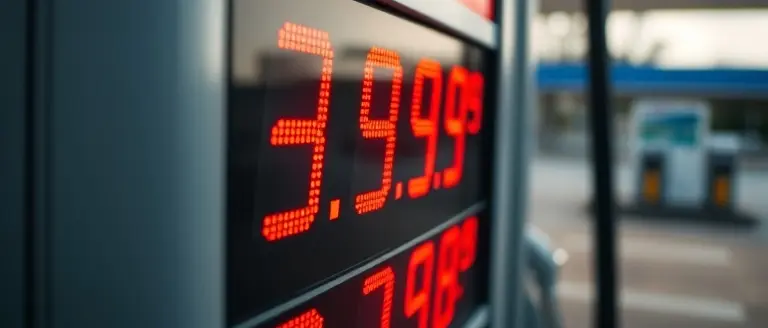
As of late April 2026, motorists across the United States are witnessing a notable shift at the pump, with national gas prices hovering between $4.04 and $4.09 per gallon. According to recent data from GasBuddy, this upward trajectory has impacted 39 states within a single week, reflecting a broader sensitivity in the energy sector to changing global conditions. This volatility is not merely a local supply issue but a direct reaction to heightened geopolitical tensions, particularly the ongoing conflict involving the U.S. and Iran. Because a significant portion of the world’s oil supply transits through the Strait of Hormuz, any disruption—or threat of disruption—to these vital shipping routes triggers an immediate risk premium in oil markets.
Connecting Global Conflict to Local Pump Costs
The mechanism behind this price hike is rooted in market uncertainty. When the possibility of supply chain interruptions surfaces, global crude oil benchmarks rise, forcing domestic refiners to pay more for raw material. These costs are then passed down the supply chain, eventually reaching the consumer. Key factors influencing this current trend include:
- Geopolitical Risk Premium: Markets react to the instability between the U.S. and Iran by pricing in potential supply shortages, regardless of current inventory levels.
- Shipping Route Vulnerability: The reliance on the Strait of Hormuz creates a “chokepoint” effect; any naval activity or diplomatic friction in this region influences global energy logistics.
- Refinery Throughput: Uncertain global markets can affect the timing of refinery maintenance and the flow of imported oil, which influences the availability of gasoline in various regional U.S. markets.
While the situation remains fluid, experts emphasize that current pricing is a market-driven response to macro-economic uncertainty. By monitoring tools like GasBuddy, commuters can better navigate these price fluctuations, as localized discrepancies often provide opportunities to save even when national averages are trending upward. Understanding that these hikes are tethered to global logistics can help households better anticipate periods of volatility and adjust their fuel spending accordingly.
Regional Price Disparities: A State-by-State Look

As of late April 2026, the volatility in gas prices has created a fragmented landscape across the United States. While the national average hovers between $4.04 and $4.09 per gallon, this figure is a composite of vastly different regional realities. Recent data from GasBuddy highlights a sharp upward trajectory, with 39 states reporting significant price hikes. This surge is primarily driven by global energy market instability linked to the ongoing U.S.-Iran conflict, which has introduced profound uncertainty regarding shipping routes through the Strait of Hormuz. Despite this overarching macro-economic pressure, the impact on your local pump depends heavily on regional supply chain logistics and state-specific tax structures.
Why Your Pump Price Varies
Regional disparities are rarely accidental; they are the product of complex, localized variables that act as buffers or multipliers to global oil prices. Understanding these factors can help you manage your household transportation budget:
- Supply Chain Proximity: States closer to major refining hubs—particularly along the Gulf Coast—typically benefit from lower transportation costs. Conversely, landlocked regions or states with limited pipeline infrastructure often see faster price spikes when supply chains tighten.
- Fuel Excise Tax Policies: A critical factor in the current price environment is how individual states manage fuel excise taxes. Some jurisdictions are evaluating temporary freezes or reductions to mitigate the burden of the recent rally. Comparing your state’s tax policy against neighboring states often explains why consumers in one county might see prices $0.20 lower than those just across the border.
- Refinery Maintenance and Outages: Periodic, localized refinery maintenance schedules can temporarily limit supply, causing localized price anomalies that deviate from the national trend.
While reports from the Cincinnati Enquirer and AAA suggest many midwestern states are seeing averages topping $4, other regions like Hawaii have experienced minor downward trends. Utilizing tools like GasBuddy allows drivers to track these hyper-local fluctuations in real-time, helping you identify if your area is currently catching a break or facing the full brunt of the global energy rally. By monitoring these trends, commuters can better time their refueling sessions during temporary dips, even in an overall inflationary environment.
Budgeting for Volatility: Smart Strategies for Fuel Expenses

Navigating the current landscape of gas prices requires a shift from reactive panic to proactive household management. As the national average stabilizes around the $4.04 to $4.09 range due to geopolitical instability, integrating fuel costs into your monthly budget is no longer optional. To mitigate the financial impact of these rising costs, households should prioritize data-backed tools. Utilizing platforms like GasBuddy allows commuters to track real-time price fluctuations in their specific zip codes, helping to identify stations where costs consistently trend lower. Strategic refueling—such as planning fill-ups during mid-week windows when data suggests lower demand—can shave cents off every gallon, which aggregates into significant monthly savings.
Actionable Tactics for Fuel Efficiency
Beyond monitoring price trends, altering driving habits remains one of the most effective ways to lower individual fuel consumption. Evidence suggests that maintaining steady speeds and avoiding rapid acceleration can improve fuel economy by up to 30% on the highway. Consider these strategies to shield your budget from volatile energy markets:
- Consolidate Errands: Combine multiple short trips into one multi-stop loop to avoid cold starts, which consume significantly more fuel.
- Leverage Loyalty Programs: Enroll in grocery store fuel rewards or dedicated credit card programs that offer cents-per-gallon discounts. These programs are particularly valuable when the national average exceeds the $4 threshold.
- Maintain Your Vehicle: Ensure your tires are properly inflated and the air filter is clean. A poorly maintained engine can reduce fuel efficiency by as much as 10% to 20%.
- Optimize Routes: Use GPS navigation even for familiar commutes to avoid idling in unexpected traffic congestion caused by regional infrastructure or supply chain bottlenecks.
By treating transportation as a variable expense rather than a fixed cost, you regain control over your discretionary spending. While the macro-economic pressures linked to the U.S.-Iran conflict suggest continued uncertainty, consistent application of these habits provides a reliable buffer against the volatility at the pump. Focus on long-term adjustments rather than short-term spikes to ensure your household remains resilient through this cycle of rising energy costs.
Frequently Asked Questions: Demystifying Pump Anxiety

How does the U.S.-Iran conflict impact gas prices at my local station?
The current surge in gas prices is primarily driven by the volatility of the global oil market, which reacts sharply to geopolitical instability. When tensions rise near critical infrastructure—such as the Strait of Hormuz—markets respond with uncertainty regarding the security of oil shipments. Because gasoline is a global commodity, any disruption or anticipated threat to supply chains forces crude oil prices upward. According to insights from GasBuddy, this macro-economic friction is quickly passed down to the retail level, explaining why we have seen a rapid uptick in costs across 39 states. Even if a specific station receives its fuel from domestic refineries, the global price of a barrel of oil remains the primary benchmark for local pump pricing.
How long will this period of volatility last?
Predicting the exact duration of the current price hike is difficult, as it remains tethered to the evolving situation in the Middle East. Expert consensus suggests that as long as there is an active threat to shipping routes, the market will maintain a “risk premium” on fuel costs. To stay ahead of the fluctuations, motorists are increasingly relying on real-time tools to monitor the national average, which currently hovers between $4.04 and $4.09 per gallon. Key strategies to navigate this period include:
- Utilizing data-driven apps like GasBuddy to identify stations that have not yet raised prices.
- Avoiding fill-ups during the beginning of the work week when demand peaks.
- Monitoring regional trends, as states with different tax structures or supply chain vulnerabilities experience price shifts at different speeds.
Do fuel excise tax freezes actually lower my costs?
While some states have implemented fuel excise tax freezes to provide relief, the impact at the pump can be modest compared to the broader upward pressure of oil markets. These freezes are designed to prevent government-collected fees from compounding the pain of rising wholesale prices. However, when global energy market rallies outpace the savings provided by a tax break, the relief may feel negligible to the average driver. Consumers should view these freezes as a mitigating factor rather than a total solution, reinforcing the importance of localized price tracking to secure the best deal available in their specific area.
Reclaim Your Budget and Transform Your Home
Navigating these volatile times requires more than just searching for a few cents of savings at a local station; it requires a structural shift in how we spend our time and money. When you scale back on the expensive road trips and weekend travel that inflate your fuel consumption, you do not have to settle for boredom or stagnation. Instead, this is the perfect moment to redirect that time and energy into mastering a craft that adds lasting value to your home.
By choosing to invest in high-utility home projects, you effectively transform the financial anxiety of rising gas prices into a proactive, money-saving creative endeavor. This is where Ted’s Woodworking becomes an essential resource. Rather than spending your weekends burning fuel to seek out expensive entertainment, you can focus on building professional-grade projects right in your own garage or workshop. It is the ultimate “Home-Stay” strategy, allowing you to develop a rewarding skill set while keeping your hard-earned dollars in your pocket.
Now is the time to turn your living space into a sanctuary of production and accomplishment, ensuring that your budget remains intact regardless of what happens at the global pump. Reclaim your weekends and your budget: See how you can start your own high-utility home projects with a foolproof plan today.
 Reclaim your weekends and your budget: See how you can start your own high-utility home projects with a foolproof plan today.Start My Woodworking Journey Now!