
The sudden collapse of Wren Kitchens and the immediate closure of its showroom studios within Home Depot stores have left countless homeowners in a state of professional and financial limbo. If you are one of the many caught in the crossfire of this Chapter 7 bankruptcy, you are likely facing the overwhelming frustration of unfulfilled orders, missing cabinetry, and halted renovation projects. The partnership that promised a seamless high-end experience has abruptly disintegrated, leaving customers to navigate the complex maze of bankruptcy claims and incomplete kitchens without direct support.
This guide is designed to help you regain your footing. Beyond the immediate administrative steps of filing a claim and recovering deposits, there is the urgent, practical reality of a kitchen that is currently a construction site. While the legal process for financial recovery moves slowly, your home needs to function today. We will walk you through the essential steps to secure your assets and outline how to transition from a stalled professional installation to taking full control of your renovation.
Understanding the Wren Kitchens and Home Depot Partnership Exit

The landscape of home improvement retail shifted abruptly between April 24 and April 27, 2026, when UK-based retailer Wren Kitchens announced its immediate filing for Chapter 7 bankruptcy. This legal action triggered the instantaneous closure of all 15 Wren Kitchens Home Depot showroom locations across the United States. While the partnership—which began in 2024—was designed to integrate specialized kitchen design services directly into the Home Depot retail experience, the collapse was total and unexpected. Reports confirm that the liquidation process began without prior warning to the public, employees, or even the executive team at The Home Depot itself, leaving a significant void in active customer projects.
Clarifying the Operational Detachment
It is essential for consumers to understand the nature of this failed “shop-in-shop” model. While the showrooms were physically located within Home Depot properties, Wren Kitchens operated as an independent entity responsible for its own supply chain, design staff, and fulfillment obligations. The partnership did not merge the two companies’ financial or operational systems; instead, it served as a lease-based collaboration. Because of this structural separation, the abrupt termination of the brand’s US operations does not inherently mean The Home Depot is liable for the specialized contractual obligations or unfulfilled cabinetry orders made directly through the Wren sales teams.
Key Factors of the Dissolution:
- Operational Autonomy: Wren Kitchens maintained its own manufacturing and logistics, meaning the closure was an internal failure of the UK-based firm rather than a reflection of Home Depot’s wider service offerings.
- Lack of Transition: The liquidation was immediate, catching even partners by surprise, which explains the lack of a standardized handover process for active kitchen renovation projects.
- Contractual Standing: Customers who engaged with these showrooms were purchasing from an independent retailer. Consequently, standard Home Depot return policies or service guarantees for in-house products do not automatically apply to these specific, third-party transactions.
As the legal proceedings unfold, the primary focus for impacted homeowners should be distinguishing between their relationship with the now-liquidating Wren Kitchens and the separate, ongoing services provided directly by The Home Depot. Understanding this distinction is the first step toward navigating the refund process and seeking alternative solutions for your home project.
Immediate Steps for Customers with Unfulfilled Orders

If you are a customer affected by the sudden closure of Wren Kitchens showrooms within Home Depot stores, your first priority must be securing comprehensive documentation of your financial relationship with the company. Because the retailer has entered Chapter 7 bankruptcy, the liquidation process is governed by strict federal court procedures. You must gather all evidence of your transaction, including the signed sales contract, itemized invoices, proof of deposit, and any correspondence regarding delivery timelines. Having these documents organized is essential for substantiating your status as a creditor during the court proceedings.
Filing a Proof of Claim
To seek recovery of your funds, you will likely need to file a Proof of Claim with the bankruptcy court overseeing the liquidation of the US entity. This formal document notifies the court and the appointed trustee that you are owed money. To proceed, follow these steps:
- Locate the Case: Monitor official court dockets for the specific district where the Wren Kitchens US entity filed its bankruptcy petition.
- Secure Official Forms: Download the official Proof of Claim form (Form 410) from the United States Courts website.
- Attach Supporting Evidence: Ensure copies of your receipts and contracts are attached to your claim form as exhibits.
- Submit by the Deadline: Bankruptcy courts set a strict “bar date” for claims. Missing this deadline often forfeits your right to receive a share of the remaining assets.
Financial Safeguards and Alternative Recourse
Beyond the bankruptcy court, examine your payment methods for additional protections. If you paid by credit card, contact your issuer immediately to initiate a chargeback or dispute for “services not received.” Federal law and specific card issuer policies often provide stronger consumer protections for failed service delivery than unsecured bankruptcy claims. Furthermore, contact your local Home Depot management to clarify your standing. While the partnership has dissolved, documentation of your transaction at their physical location may assist in proving the legitimacy of your project, even if the retailer’s insolvency limits Home Depot’s legal liability for the failed project. Prioritize communication with your credit card company or bank while simultaneously preparing your bankruptcy claim to maximize your chances of recovering your investment.
Financial Recourse: Credit Cards and Consumer Protection

If you are one of the many customers impacted by the sudden Wren Kitchens Home Depot showroom closures, your most immediate path to financial recovery is through the Fair Credit Billing Act (FCBA). Because the company filed for Chapter 7 bankruptcy, traditional refund channels are likely frozen; however, federal law provides a vital safety net for credit card users. Under the FCBA, consumers are entitled to dispute charges for goods or services that were never delivered, specifically citing “non-receipt of goods” as the primary reason for a chargeback.
Initiating a Chargeback for Undelivered Kitchens
Time is of the essence when dealing with bank-issued disputes. You must act immediately, as many financial institutions impose strict deadlines—often 60 to 120 days from the transaction date—to initiate a claim. Contact your credit card issuer’s fraud or dispute department and explicitly state that the merchant has ceased operations and your project remains unfinished.
When filing your claim, ensure you have the following documentation ready:
- A copy of your original Wren Kitchens contract or sales invoice.
- Proof of deposit or full payment showing the transaction date.
- Any correspondence from the company regarding delivery dates or project timelines.
- Documentation regarding the abrupt closure, such as the official news reports from WUSA9 or HBS Dealer confirming the bankruptcy.
Financing Partners and Protection
If you utilized a third-party financing partner associated with the Home Depot partnership or a specific store-branded card, you should contact the lender directly. Even if the project was funded through a promotional zero-interest plan, the obligation to provide the product lies with the merchant. Since the service cannot be rendered due to insolvency, you have a strong legal basis to request that the loan be voided. By proactively reaching out to your bank and providing evidence of the Chapter 7 liquidation, you significantly increase your chances of recovering your hard-earned funds before the limited assets of the defunct entity are entirely depleted in court.
Moving Forward: Completing Your Kitchen Project
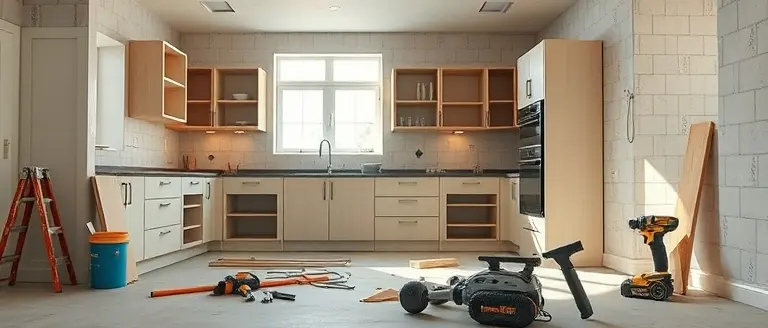
If your kitchen renovation was halted by the sudden Wren Kitchens Home Depot bankruptcy, your immediate priority should be securing your property and assessing the status of your components. Because the closure was abrupt, you may have partial cabinet deliveries sitting in your home or components currently held in transit. Before hiring a new contractor, take a detailed photographic inventory of all materials on-site. Contact your credit card issuer immediately to report the transaction as a “service not rendered” or “goods not received” dispute, which may provide a buffer while you secure a new professional to finish the job.
Hiring a Contractor for a ‘Project Takeover’
Finding a local professional to step into an existing project can be challenging, as many contractors are wary of assuming liability for materials sourced by a third party. To streamline this process:
- Vet for Licensing and Insurance: Only work with contractors who hold valid state-issued licenses and proof of liability insurance to ensure your remaining installation meets local building codes.
- Seek ‘Takeover’ Experience: When calling local firms, specifically ask if they perform “project completions” or “takeover installations.” Be prepared to share your original design blueprints or the CAD files provided by the Wren Kitchens design team.
- Request a Written Assessment: A reputable contractor will need to conduct an on-site inspection to ensure that any pre-installed cabinets are level and that existing electrical or plumbing rough-ins comply with current regulations.
When requesting estimates, be transparent about the situation. Provide a clear list of what is already installed versus what is missing. Emphasize that your goal is a safe, compliant, and functional kitchen. By prioritizing licensed tradespeople who specialize in high-end cabinetry, you mitigate the risk of further project delays and ensure the structural integrity of your kitchen remains intact despite the dissolution of the Wren Kitchens Home Depot partnership.
Reclaiming Control of Your Kitchen Renovation
Navigating the aftermath of the Wren Kitchens collapse is undoubtedly taxing, but you do not have to let an incomplete kitchen define your home’s future. While you follow the necessary legal steps to recover your funds, the most effective way to eliminate the stress of this situation is to regain autonomy over your project. Waiting indefinitely for a resolution that may take months is no longer your only option; you can move forward immediately.
Now that you have assessed your financial recovery options, you are left with the reality of an incomplete space; rather than waiting indefinitely for resolution, many homeowners are turning to professional-grade plans to finish the work themselves with total precision. Ted’s Woodworking acts as your ultimate ‘Project Recovery Tool,’ providing you with 16,000 verified, step-by-step woodworking plans that eliminate the risk of further costly mistakes or design errors. By bridging the gap between your current frustration and a completed kitchen, this resource allows you to salvage components or build custom cabinetry replacements with professional certainty, ensuring you finally get the kitchen you paid for.
The path forward is now in your hands. Do not allow a failed corporate partnership to stall your life any longer. Equip yourself with the right technical foundation to build with confidence and restore the heart of your home on your own terms.
 Take control of your kitchen project today and access the professional blueprints needed to finish your build with confidence.Yes, I Want To Finish My Kitchen Now!