

The contemporary financial and political landscape is currently defined by a persistent, unsettling sentiment. From the chaotic reception of the 2026 White House Correspondents’ Dinner to the unsettling parallels analysts are drawing between today’s NASDAQ trajectory and historical bubbles, the atmosphere is undeniably charged. Yet, beneath this pervasive digital noise, there is a recurring pattern: a tendency for both mainstream and algorithmic reporting to prioritize sensationalism over substance. Even recent automated metadata in biotech press releases, which inexplicably reference an \”eerie background,\” suggest that we are increasingly relying on machine-generated narratives that may not reflect underlying reality.
For the serious investor, this environment poses a unique challenge: how to distinguish between genuine risk and mere psychological noise. While it is easy to get swept up in the alarmist discourse, the truth often lies in sober, data-driven analysis. As the market enters a period of intense scrutiny, the most dangerous byproduct isn’t just financial volatility—it is the erosion of clear-headed decision-making. To navigate the current climate successfully, one must learn to safeguard their cognitive focus against the persistent fatigue of high-stress economic cycles.
Understanding Current Market Sentiment: Why Volatility Feels Unprecedented

The current climate of investor anxiety is driven by a unique convergence of real-world volatility and digital noise. From the unexpected atmosphere of the 2026 White House Correspondents’ Dinner—where observers noted an eerie silence that preceded sudden political friction—to the rapid escalation of the NASDAQ index toward the 25,000 threshold, the public is experiencing a sensory overload. While financial analysts at groups like Verified Investing provide grounded data regarding market bubbles, the broader discourse is often hijacked by sensationalism that frames standard economic cyclicality as something foreboding or supernatural.
Decoding the Noise: From Biotech Glitches to Market Fear
Much of the current unease is exacerbated by systemic technological failures. Recent reports have highlighted strange occurrences in corporate communications, where automated meta-descriptions for companies, particularly within the biotech sector as seen on platforms like BioSpace, have inexplicably populated with phrases like “eerie background.” These technical SEO errors serve as a microcosm for the digital age: automated systems are reflecting, and perhaps amplifying, the collective apprehension of the market. When algorithms malfunction, they unintentionally feed into the narrative of instability, causing unnecessary panic among retail investors who interpret these glitches as coded warnings.
To maintain a professional edge in this volatile landscape, investors should distinguish between psychological discomfort and objective data:
- Separating Sentiment from Strategy: Recognize that high-traffic social media narratives are often designed to trigger engagement through fear, not to inform portfolio management.
- Analyzing Historical Parallels: While the NASDAQ’s current trajectory draws comparisons to historical bubble peaks, evaluate these alongside current earnings reports and Fed inflation policies rather than abstract feelings of dread.
- Auditing Information Sources: Discount automated content fragments—such as the recent biotech meta-description anomalies—as systemic noise rather than reliable indicators of corporate health or market direction.
Ultimately, the feeling of an eerie market is often just the result of rapid technological integration meeting high-stakes global politics. By maintaining a data-driven focus, investors can bypass the emotional volatility that currently dominates the headlines and focus on long-term sustainability.
NASDAQ at 25,000: Reality vs. Historical Speculation
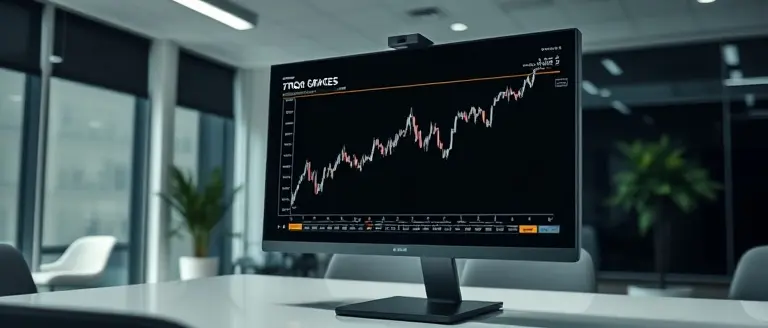
The recent surge of the NASDAQ index toward the 25,000 milestone has ignited a firestorm of speculation across financial circles. While social media sentiment often characterizes this momentum as eerie, suggesting a repeat of historical market collapses, a data-driven approach reveals a more nuanced reality. Comparing the current landscape to the market conditions of 25 years ago requires looking past the index level and focusing on the underlying fundamentals that drive institutional capital. Unlike the speculative fervor seen during the dot-com era, today’s market is heavily influenced by rapid advancements in artificial intelligence, cloud infrastructure, and semiconductor demand, which provide a different economic foundation for high valuations.
Analyzing Valuation and Earnings Growth
To determine if current concerns are substantiated, investors should move beyond anecdotal observations and analyze structural metrics. When contrasting the 2026 environment with historical bubbles, several key indicators offer a clearer picture:
- P/E Ratio Disparities: While current Price-to-Earnings (P/E) ratios are elevated, they are frequently supported by robust, double-digit earnings growth across the leading semiconductor and tech-heavy constituents.
- Capital Allocation: Modern companies in the NASDAQ exhibit stronger balance sheets, characterized by significant cash reserves and operational efficiency, contrasting sharply with the low-revenue startups that defined earlier market cycles.
- Fed Inflation Policy: Current volatility is heavily tied to macro-economic adjustments and interest rate projections rather than the pure-play sentiment that drove past speculative peaks.
Evidence suggests that labeling the current trajectory as an eerie mirror of past cycles is a simplification that ignores the shift in corporate profitability. While the speed of the climb toward 25,000 is objectively rapid, it is largely grounded in earnings performance rather than the blind retail euphoria seen in previous decades. Discerning investors must prioritize quantitative analysis over the prevailing atmosphere of digital anxiety to distinguish between genuine risk and market-driven psychological noise.
Beyond the Noise: Indicators of Structural Stability

While recent headlines frequently describe the current market climate as eerie, sophisticated investors understand that market volatility is often a byproduct of psychological sentiment rather than structural failure. When the NASDAQ approaches the 25,000 threshold, historical comparisons to past bubbles gain traction. However, relying on narrative-driven anxiety ignores the fundamental resilience of the modern economy. To distinguish between genuine systemic risk and media-driven sensationalism, one must look toward concrete fiscal indicators that drive long-term valuation.
Evaluating Market Fundamentals
Institutional stability is currently bolstered by disciplined capital allocation and corporate resilience that differs significantly from previous cycles. Unlike speculative environments where debt-to-equity ratios are dangerously high, many large-cap technology firms now maintain robust balance sheets characterized by high cash reserves and manageable debt servicing costs. Investors should prioritize the following metrics to determine if a market movement is a structural shift or a temporary correction:
- Cash Flow Liquidity: Evaluate whether companies are maintaining positive free cash flow despite fluctuations in interest rates.
- Earnings Yield: Compare current equity valuations against bond yields to determine if the “risk premium” is actually justified.
- Operating Margin Trends: Consistent margins suggest that corporations are successfully navigating inflationary pressures rather than merely relying on debt-fueled expansion.
Distinguishing Warning Signs from Noise
The confusion currently amplified by automated meta-descriptions and social media echo chambers often masks the reality of market stability. Legitimate warning signs usually appear in the form of systematic credit contraction or a significant inversion of the yield curve that persists for several quarters, rather than brief moments of panic at high-profile events. By maintaining a focus on these quantitative anchors, investors can avoid the trap of reacting to the “eerie” atmosphere generated by digital noise. A data-driven approach requires separating the volatility caused by political theater from the underlying health of the US economy, ensuring that your investment strategy remains grounded in empirical evidence rather than reactionary fear.
Building a Resilient Portfolio in Uncertain Times

In an environment where market participants frequently describe the current financial climate as eerie—fueled by both the NASDAQ’s approach to the 25,000 threshold and the saturation of sensationalist digital narratives—it is easy for individual investors to fall into the trap of reactionary trading. When political volatility, such as the widely discussed incidents at the 2026 White House Correspondents’ Dinner, bleeds into financial sentiment, the resulting emotional pressure often leads to poor decision-making. To maintain long-term stability, investors must prioritize a data-driven framework over the prevailing atmosphere of uncertainty. Building a truly resilient portfolio requires moving beyond the noise of social media trends and focusing on fundamental risk management.
Strategies for Long-Term Stability
To insulate your assets from the volatility often highlighted by automated meta-descriptions and speculative social media threads, consider the following tactical adjustments:
- Rebalance with Discipline: Instead of panic-selling during periods of perceived market fragility, adhere to a pre-defined asset allocation schedule. Rebalancing ensures you are naturally selling high-performing assets and purchasing undervalued ones, effectively removing the emotional bias that leads to “eerie” market anxiety.
- Stress-Test Your Holdings: Evaluate your portfolio against historical bubble cycles. Compare your current sector exposure to market downturns from 25 years ago to determine if your risk tolerance remains consistent with your financial goals.
- Prioritize Liquidity: Ensure that your short-term cash needs are met with high-yield, liquid instruments. This prevents the need to liquidate long-term equity positions during temporary market corrections or periods of irrational exuberance.
- Ignore Algorithmic Noise: Institutional press releases and viral content often utilize loaded language to capture attention. Developing a “sanity-check” process for media consumption—separating technical chart indicators from vague, emotive warnings—is essential for sustaining an objective outlook.
Ultimately, market cycles are a constant, even when the sentiment surrounding them feels unprecedented. By maintaining a diversified, multi-asset strategy, you remain positioned to capture growth while minimizing exposure to the speculative pitfalls currently dominating the headlines. Avoid the temptation to time the market based on transient, emotionally charged narratives; instead, remain focused on the compounding potential of your long-term investment horizon.
Clear the Noise and Reclaim Your Financial Focus
In a landscape dominated by speculative headlines and emotionally charged market narratives, the greatest asset an investor possesses is a calm, analytical mind. We have seen how historical parallels, such as the NASDAQ nearing 25,000, are often distorted by sensationalist media—creating an environment that feels unsettlingly erratic. By stripping away the alarmist rhetoric and focusing on data-driven reality, you can navigate these periods of volatility with confidence rather than succumbing to the reactionary panic that defines the current digital discourse.
However, maintaining this objective edge is increasingly difficult when constant exposure to high-stress economic information leads to persistent brain fog. When your decision-making capacity is compromised by mental fatigue, even the most sound data-driven analysis becomes difficult to execute. This is where The Brain Song becomes an essential tool for the modern investor. By acting as a cognitive stabilization instrument, it cuts through the internal static caused by external chaos, allowing you to regain the mental clarity necessary to execute your strategy with precision.
By integrating a neuroscience-based approach into your daily routine, you can effectively neutralize the psychological toll of market instability. Do not allow the prevailing atmosphere of uncertainty to dictate your financial future. Protect your cognitive performance and ensure that your investment decisions remain grounded in logic, not anxiety.
 Reclaim your mental edge and clear the fog of market volatility with The Brain Song’s 12-minute daily routine.Yes, I Want This Now!