
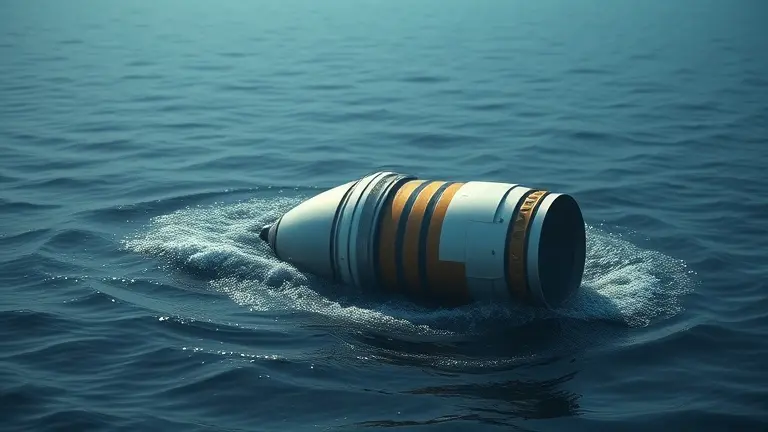
On April 10, 2026, the Pacific Ocean served as the grand stage for the return of Artemis II, concluding a historic lunar journey for astronauts Reid Wiseman, Victor Glover, Christina Koch, and Jeremy Hansen. Beyond the celebratory recovery photos, the release of high-resolution imagery showcasing the spacecraft’s scorched heat shield has ignited a fervor within the aerospace engineering community. These technical artifacts offer more than just a visual spectacle; they provide a critical window into the structural resilience required to endure the blistering temperatures of atmospheric reentry, fueling a deeper conversation about the future of lunar exploration.
NASA Orion splashdown photos have captured the public imagination, yet the true value of these images lies in the granular details of the heat shield’s performance. For enthusiasts and engineers alike, these documents represent the pinnacle of design, where every material choice and structural angle is a calculated defense against the void. This article peels back the outer layer of the mission, analyzing the technical integrity that brought our explorers home and exploring how this standard of rigorous, blueprint-driven engineering defines success—not just in space, but in any complex, high-stakes construction endeavor.
,slug:
Artemis II: A Historic Return to the Pacific

On April 10, 2026, at 8:07 p.m. EDT, the NASA Artemis II mission concluded with a picture-perfect splashdown in the Pacific Ocean. This milestone event safely returned astronauts Reid Wiseman, Victor Glover, Christina Koch, and Jeremy Hansen to Earth, signaling a triumphant new era in human spaceflight. The successful recovery operation provided the first tangible evidence of the Orion spacecraft’s performance during deep-space transit and extreme re-entry conditions. As the world turned its attention toward the official NASA Orion splashdown photos, the imagery served not only as a record of mission success but also as a catalyst for Earth Day 2026 celebrations, highlighting the fragility and beauty of our planet as viewed from the lunar trajectory.
The significance of this return cannot be overstated for the aerospace community. By analyzing the structural integrity post-splashdown, NASA engineers have gained invaluable data regarding the Orion heat shield, a critical component designed to protect crews from the intense friction of atmospheric re-entry. These high-resolution visual assets allow experts to conduct forensic inspections that will directly inform the safety protocols and design refinements for future crewed lunar missions.
Key Highlights of the Mission Return
- Precision Recovery: The splashdown occurred exactly as scheduled, demonstrating the reliability of the parachute deployment systems and the recovery team’s coordination.
- Technical Asset Collection: Beyond standard documentation, the underwater photography of the heat shield has become a high-value resource for evaluating thermal protection system (TPS) wear.
- Public Engagement: The release of stunning, high-definition Earth photography captured by the crew has deepened public interest in planetary protection and exploration.
- Artemis Legacy: This mission serves as the foundational bridge between earlier flight tests and the upcoming sustained presence on the lunar surface, proving that the Artemis II architecture is ready for the rigors of long-duration exploration.
These images and the surrounding mission data represent a massive leap forward in our understanding of deep-space survival. As recovery teams secured the capsule, the imagery shared across official channels provided the public with a direct, high-fidelity window into the conclusion of a historic journey that has successfully reignited global interest in lunar exploration.
What NASA’s Post-Splashdown Heat Shield Photos Actually Reveal About Artemis II

The successful conclusion of the NASA Artemis II mission on April 10, 2026, brought more than just the safe return of four astronauts; it provided engineers with a treasure trove of data. Central to the post-recovery analysis are the official NASA Orion splashdown photos, which offer a high-definition look at the spacecraft’s Avcoat heat shield after its high-velocity re-entry into Earth’s atmosphere. For the aerospace engineering community, these visual assets are critical for validating thermal protection system (TPS) performance under real-world deep-space conditions. Initial assessments of the imagery indicate that the ablation patterns—the controlled burning away of the heat shield material—align closely with pre-flight predictive modeling.
Evaluating Ablation and Structural Integrity
The detailed photography captured during the recovery phase highlights specific zones of the heat shield that endured the most intense thermal loads. By studying these high-resolution images, NASA technicians can observe:
- Material Recession Rates: Tracking how much of the phenolic-impregnated carbon ablator was consumed during the intense friction of atmospheric re-entry.
- Char Layer Stability: Ensuring the charred material remained intact to act as an effective insulator, preventing heat soak into the crew module’s structure.
- Thermal Seaming Performance: Analyzing the joints between the heat shield blocks to ensure no localized overheating occurred, which remains a primary focus for long-term lunar exploration safety.
These findings are essential for refining the design of future Artemis missions. By verifying that the Orion capsule maintained structural integrity throughout the splashdown event, NASA confirms that the current TPS design is capable of protecting crews during the more demanding, higher-speed re-entries expected in future lunar surface sorties. The data gathered from these specific Artemis II heat shield analysis images will serve as the baseline for assessing material fatigue and establishing flight-readiness standards for subsequent vehicles in the fleet.
The Best of Artemis II: A Visual Journey from the Moon to Earth

The success of the NASA Artemis II mission has provided the public with an unprecedented archive of deep-space documentation. Following the safe return of Reid Wiseman, Victor Glover, Christina Koch, and Jeremy Hansen on April 10, 2026, the release of high-resolution imagery has reignited global interest in lunar exploration. These NASA Orion splashdown photos serve as more than just a record of a successful recovery in the Pacific Ocean; they act as a testament to the engineering precision required to transport humans beyond low Earth orbit. The collection spans from the quiet, haunting majesty of the lunar surface to the high-intensity atmosphere of atmospheric reentry, offering a unique perspective on our position in the solar system.
Highlights from the Lunar Odyssey
The photographic record captured by the crew serves as a critical asset for both the scientific community and space enthusiasts. Key visual milestones include:
- Lunar Orbital Perspectives: High-definition imagery showcasing the topography of the Moon’s far side, providing geologists with new data on impact craters and surface composition.
- Earthrise and Planetary Views: Iconic captures of Earth appearing over the lunar horizon, which have become central to discussions surrounding Earth Day and the fragility of our planet.
- Atmospheric Reentry and Splashdown: Technical footage documenting the Orion capsule’s plasma trail and the deployment of the parachute system.
- Post-Splashdown Recovery: Official documentation of the capsule bobbing in the Pacific, providing the first clear views of the heat shield’s condition after the intense friction of reentry.
These visuals are not merely aesthetic; they are essential for planetary protection discourse and public engagement. By analyzing the high-resolution files released by NASA and the ESA, the public can witness the raw reality of deep-space travel. Whether observing the scorching patterns on the heat shield or the breathtaking scale of Earth from 240,000 miles away, these images underscore the immense risks and rewards associated with the Artemis program’s continued push toward long-term lunar habitation.
Understanding Splashdown Mechanics: From Orbit to Ocean

The successful return of the NASA Artemis II mission serves as a masterclass in aerospace engineering, specifically regarding the high-stakes transition from orbital velocity to a controlled Pacific Ocean splashdown. Upon re-entering Earth’s atmosphere, the Orion spacecraft must shed approximately 25,000 miles per hour of speed. This process relies heavily on the craft’s ablative heat shield, which is designed to erode strategically, dissipating the extreme thermal energy generated by atmospheric friction. NASA Orion splashdown photos released following the April 10, 2026, recovery provide critical insights into this phase, revealing how the shield’s material integrity held up under temperatures exceeding 5,000 degrees Fahrenheit.
The Physics of Descent and Recovery
Once the spacecraft successfully traverses the “plasma blackout” zone, it enters a critical sequence of aerodynamic deceleration. The transition from orbital flight to terminal descent involves a sophisticated, multi-stage parachute system. Understanding this process is essential for grasping why the mission recovery was so complex:
- Drogue Parachutes: These are deployed at high altitudes to stabilize the capsule and begin the initial reduction in speed.
- Main Parachutes: Once the capsule reaches a safer velocity, the main canopy system inflates, slowing the craft to a steady descent rate of approximately 20 mph before hitting the water.
- Thermal Management: The post-mission inspection of the heat shield is vital for future missions; engineers analyze the char patterns to validate computer models against real-world performance.
This rigorous splashdown procedure ensures the safety of the four-person crew, including Reid Wiseman, Victor Glover, Christina Koch, and Jeremy Hansen. By studying the official imagery, aerospace enthusiasts can better appreciate the precision required to land a spacecraft within a designated recovery zone. The data gathered from this mechanical performance remains a cornerstone for the ongoing success of the broader Artemis program, ensuring that future lunar landings are supported by a proven, reliable return architecture.
Master the Art of Precision Engineering
The successful splashdown of the Artemis II mission represents more than just a return to Earth; it is a profound testament to the power of meticulous planning and structural integrity. Every scorch mark and thermal tile accounted for in those official post-splashdown photos tells a story of extreme conditions met with exact, science-backed construction. The bridge between the aerospace-grade heat shield protecting our astronauts and a masterpiece in your home workshop is built on the foundation of professional-grade blueprints.
Just as NASA relies on unparalleled technical accuracy to ensure the Orion capsule survives the violent descent through our atmosphere, every high-stakes project you undertake demands the same commitment to structural perfection. Why settle for guesswork when you can build with the confidence of an engineer? Whether you are a hobbyist looking to refine your craft or a perfectionist seeking the absolute standard in technical documentation, the right plans transform intent into reality.
Elevate your builds to an aerospace level of detail and eliminate the uncertainty that plagues amateur projects. By utilizing a library built on precision-tested data, you ensure that every joint, material, and measurement is optimized for success. Apply the same level of technical precision to your own projects—access the full library of professional-grade blueprints here.
 Apply the same level of technical precision to your own projects—access the full library of professional-grade blueprints here.Transform My Projects Today!