
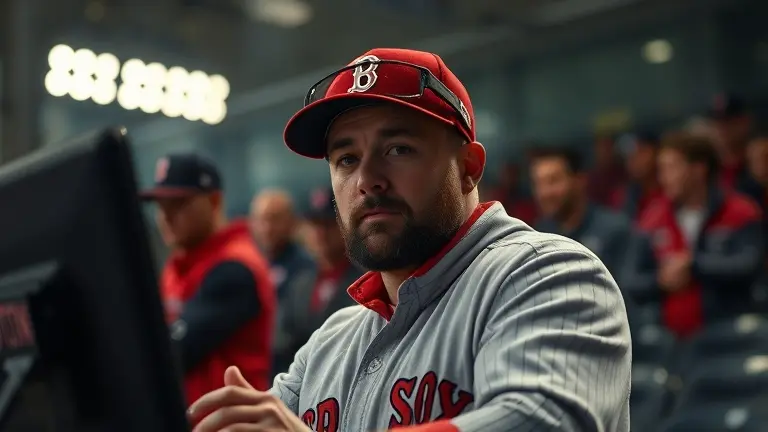
Late Saturday, April 25, 2026, the silence of the offseason was shattered by the Boston Red Sox organization, announcing the abrupt departure of manager Alex Cora and a significant portion of his coaching staff. As the Boston Globe continues to lead the narrative on this organizational earthquake, fans are left grappling with a confusing mixture of roster blame, front-office accountability, and the daunting uncertainty of a leadership void. This isn’t merely a change in personnel; it is a fundamental pivot in the team’s identity that challenges the very foundation of how we evaluate success within the franchise.
For the dedicated observer, navigating these reports requires more than just following the headlines. It demands a critical look at whether this move is a strategic reset or a desperate scapegoating tactic designed to deflect from broader roster flaws. As we unpack the implications for the Red Sox front office and look toward a future with a yet-to-be-named successor, we must cut through the noise of the news cycle to understand what this means for the team’s long-term trajectory.
Red Sox Shakeup: Analyzing the Sudden Departure of Alex Cora

The landscape of Boston sports changed irrevocably late Saturday, April 25, 2026, when the Red Sox organization announced the immediate termination of manager Alex Cora and a substantial portion of his coaching staff. This decision, arriving with little warning, has sent shockwaves through the fan base and the wider MLB community. As the primary source for local sports enthusiasts, the Boston Globe has quickly solidified its role as the definitive outlet for this breaking story, providing granular coverage of an organizational shift that has left a sudden vacuum in the Red Sox dugout.
The Immediate Aftermath and Front Office Accountability
The timing of this departure is arguably the most jarring element of the entire ordeal. Coming on the heels of a dominant 17-1 victory over the Baltimore Orioles, the firing defies conventional sports logic. Typically, teams undergo coaching changes during periods of prolonged underperformance, not immediately following a blowout win. This anomaly has sparked intense speculation regarding whether the management move is a calculated strategic pivot or a reactive scapegoating tactic.
Key takeaways from the unfolding situation include:
- Leadership Vacuum: The departure of the entire coaching contingent forces the front office to justify whether the core issue lies with on-field management or deeper, systemic roster flaws.
- Media Dominance: Through its deep-dive reporting, the Boston Globe is documenting the growing skepticism regarding the organization’s transparency, specifically regarding why such a drastic move was deemed necessary while the team was trending upward.
- Future Uncertainty: The vacancy at the helm leaves players in a state of flux, shifting the narrative toward the front office’s accountability and their ability to recruit a successor who can manage a high-pressure, high-expectations market.
By shifting focus away from the recent win and toward the abrupt nature of this firing, the front office has effectively centered the conversation on their own decision-making process. Fans and analysts alike are now looking to the Boston Globe to navigate the complex implications of this “new era” and identify which candidates are truly capable of filling the void left by Cora’s sudden exit.
The Front Office Under the Microscope: Accountability and Strategy

The sudden dismissal of Alex Cora, reported extensively by the Boston Globe, has shifted the spotlight from the dugout to the front office’s executive suite. For many observers, the decision—made mere hours after a dominant 17-1 victory over the Orioles—feels less like a strategic evolution and more like a desperate attempt to deflect criticism from systemic roster deficiencies. By removing a popular manager in the wake of a resounding win, the Red Sox leadership has signaled that internal friction, rather than on-field performance, has become the primary metric for organizational success. The burden of proof now rests entirely on the front office to justify this pivot, as fans and analysts alike demand transparency regarding whether this move addresses a genuine leadership crisis or serves as a convenient act of scapegoating to mask long-term roster construction failures.
Navigating the Narrative: Local Sentiment vs. National Scrutiny
The divide between local perception and national analysis highlights the mounting pressure on the front office to prove that a coherent strategy exists behind the chaos. While local coverage, particularly through the Boston Globe, focuses on the immediate impact on team morale and the messy optics of the timing, national outlets have expressed bewilderment at the lack of a clear succession plan.
The front office faces significant hurdles in regaining public trust, particularly given the following areas of concern:
- Roster Accountability: Critics argue that no amount of coaching staff turnover can compensate for recurring issues in roster depth and pitching consistency.
- Succession Strategy: The vacuum created by the departure raises urgent questions regarding whether the front office is committed to an internal rebuild or an external search for a new identity.
- Communication Gaps: The abrupt nature of the decision has fueled speculation that the communication between ownership and the coaching staff had completely broken down, suggesting deeper dysfunction within the organization.
Ultimately, this move serves as a watershed moment for the Red Sox. The front office is no longer just managing a baseball team; they are managing a full-scale public relations crisis. If the team’s trajectory does not improve immediately under new leadership, the narrative will inevitably pivot from questioning the manager to questioning the future of the front office itself.
Navigating the Search: Potential Candidates for the New Era
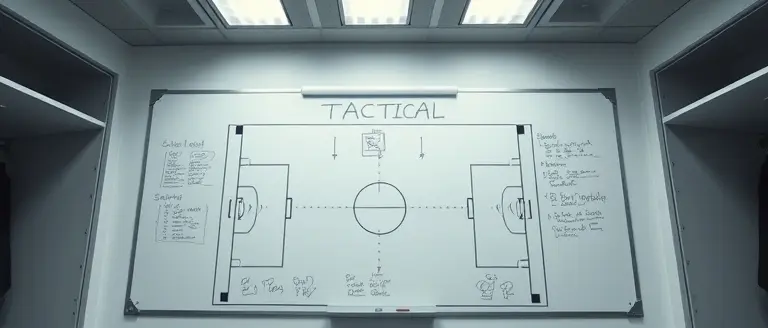
The sudden vacancy created by the Boston Red Sox moving on from Alex Cora has immediately shifted the focus of the Boston Globe and local analysts toward a high-stakes search for new leadership. To steer the franchise into this “new era,” the front office must identify a candidate capable of balancing modern analytical rigor with the unique demands of the Fenway Park clubhouse. The organization is at a crossroads; they require a manager who can stabilize a roster currently mired in questions regarding talent development versus systemic underperformance. Evidence suggests that the team is prioritizing a candidate who can instill a culture of accountability while navigating the intense scrutiny inherent to the Boston market.
Tactical Profiles for the Next Manager
While the front office maintains internal silence, several archetypes have emerged as frontrunners for the role. Prospective candidates are currently being evaluated based on their ability to manage a volatile clubhouse and their willingness to integrate the team’s long-term developmental strategy:
- The Analytical Architect: Candidates with a background in front-office operations or advanced sabermetric implementation are high on the list. This profile appeals to the Red Sox’s reliance on data-driven decision-making.
- The Culture Builder: A veteran coach known for player development and maintaining poise under pressure. With a frustrated roster, a manager who focuses on psychological stability and communication is essential to restore morale.
- The Rising Coordinator: Bench coaches or minor-league managers currently flourishing in successful organizations. These individuals represent a “fresh start” approach and often align with the long-term vision of a front office looking to rebuild its identity.
As the Boston Globe continues to break down the implications of this abrupt leadership change, the search process will likely be exhaustive. The challenge for the front office is not merely finding a tactician, but a leader who can bridge the gap between historical expectations and the current reality of the roster. Whether the team pursues an established veteran or opts for a transformative, younger hire, the mandate remains clear: the next hire must provide the stability currently lacking in Boston’s turbulent 2026 season.
What Lies Ahead: Addressing Uncertainty and Roster Stability

The sudden departure of Alex Cora has cast a long shadow over the Boston Red Sox clubhouse, leaving both players and fans to grapple with the team’s trajectory for the remainder of the 2026 season. As reported by the Boston Globe, the timing of this decision—coming immediately on the heels of a dominant 17-1 victory against the Orioles—has sparked intense debate regarding whether the front office is prioritizing a tactical shift or engaging in scapegoating to deflect from deeper, systemic roster flaws. With leadership in flux, the immediate concern for the organization is maintaining player morale while ensuring the current talent remains focused amidst the mounting outside noise.
Navigating the 2026 Outlook
Evidence suggests that the front office is now under unprecedented pressure to justify this pivot. Whether this transition signals a full-scale rebuild or a desperate attempt to salvage a competitive window remains the central question facing the franchise. To navigate this period of instability, the organization must address several critical factors:
- Roster Cohesion: Can the existing veteran leadership keep the locker room united without Cora’s specific influence, or will the change lead to a performance regression?
- Trade Deadline Strategy: With the mid-season mark approaching, the front office must decide if they are buyers looking to bolster a playoff push or sellers aiming to shed salary and accumulate prospects.
- Front Office Accountability: Analysts argue that if results do not improve under new management, the scrutiny will inevitably shift from the dugout to the executive suite.
While historical precedents often show that manager departures following a win are rare, they usually signify a deep, irreconcilable disconnect between the field staff and management. For the Red Sox, the path forward requires not just a new name on the lineup card, but a clear, communicated strategy that restores confidence among a fanbase currently demanding answers.
Navigating the New Era of Red Sox Leadership
As the dust settles on this historic organizational shift, the path forward for the Red Sox remains obscured by high-stakes speculation and emotional fatigue. Whether this decision serves as a catalyst for growth or a symptom of deep-seated dysfunction depends entirely on the transparency and strategy of the front office in the coming weeks. Discerning the truth from the noise is the ultimate challenge for any fan committed to the team’s future.
In such a high-stress, information-dense environment, it is easy to succumb to mental fog while attempting to synthesize complex front-office maneuvers and coaching rumors. You need a sharp, focused mind to truly grasp the strategic weight of these decisions. The Brain Song offers a unique cognitive reset, providing a 12-minute daily routine specifically designed to clear mental fatigue and enhance analytical clarity.
By integrating this tool into your routine, you transform the chaotic news cycle into a manageable intellectual pursuit, positioning yourself to make sense of the Red Sox rebuild with precision. It is the natural next step for the analytical enthusiast who refuses to be overwhelmed by the headlines and demands total clarity on the team’s new direction.
 Optimize your focus and sharpen your sports analysis by trying The Brain Song today.Yes, I Want Mental Clarity Now!