
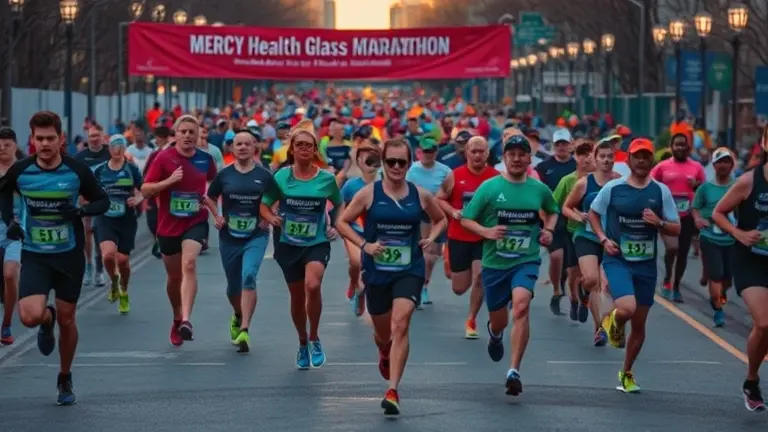
The Mercy Health Glass City Marathon stands as a beacon for athletes across the nation, celebrated not only as one of the oldest endurance events in the United States but also for its exceptionally flat, fast course. As thousands of runners descend upon Toledo, Ohio, for the 2026 edition on Sunday, April 26, the energy in the city is palpable. Whether you are aiming for a Boston Marathon qualifier on this lightning-fast route or simply soaking in the vibrant atmosphere of race weekend, navigating the logistics of bib pickup, expo crowds, and race-day transitions requires as much mental focus as the run itself.
Success at the Glass City Marathon requires more than just training miles; it demands a strategic approach to managing your energy. From the early morning start lines at the University of Toledo to the final celebratory steps, the demands on your metabolism are immense. Understanding how to sustain your glucose levels, avoid the dreaded mid-race “bonk,” and manage the inevitable post-event fatigue is the secret weapon of elite and amateur competitors alike. In this guide, we dive deep into the essential logistics for the 2026 race, providing you with the high-utility insights necessary to conquer the course and optimize your recovery, ensuring you remain energized from the first mile to the final cheering crowd.
Understanding the Mercy Health Glass City Marathon: Event Logistics and Schedule

The Mercy Health Glass City Marathon remains one of the premier endurance events in the Midwest, drawing thousands of participants to Toledo, Ohio, each year. For the current 2026 cycle, it is imperative for runners and spectators to rely solely on verified information regarding the event calendar. The official glass city marathon 2026 race weekend is confirmed to take place on Sunday, April 26, 2026. While conflicting reports concerning a September date have circulated on social media, official registries, including MarathonGuide.com and the race’s primary organizers, confirm that all logistics and permit-driven operations are strictly anchored to the late-April timeline.
Participants should prepare for a comprehensive weekend of racing that highlights the University of Toledo and the surrounding scenic parklands. The event schedule is designed to accommodate various fitness levels, ensuring a robust turnout across all categories. Key race logistics include:
2026 Event Categories and Schedule
- Full Marathon: The signature event, known for its flat and fast terrain, which serves as a significant draw for runners aiming for personal bests or Boston Marathon qualifiers.
- Half Marathon: A popular secondary event that follows much of the primary course, emphasizing the fast, efficient nature of the Toledo road racing experience.
- 5K Run/Walk: Designed for community engagement and shorter-distance athletes.
- Relay Races: Ideal for teams looking to experience the course atmosphere through shared mileage.
The success of the Glass City Marathon relies on meticulous planning and adherence to the sanctioned April schedule. Runners are advised to finalize bib pickup and expo attendance per the guidelines provided on the official website. By aligning with these confirmed logistical parameters, participants ensure a seamless race-day experience that upholds the event’s long-standing reputation as one of the oldest and most competitive marathons in the United States. Please disregard any alternative date claims to ensure your travel and race-day logistics remain fully compliant with the event’s sanctioned operation.
Race Weekend Logistics: Expo, Bib Pickup, and Course Navigation
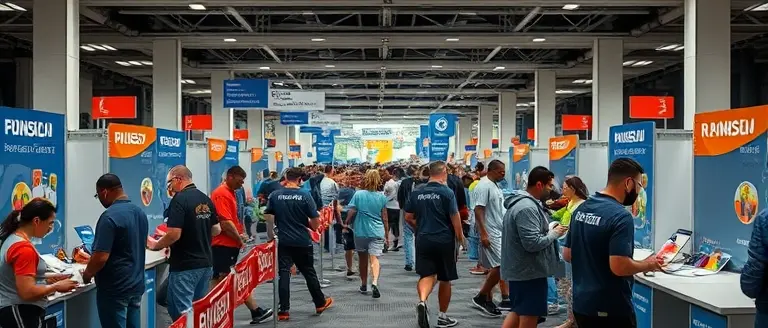
Successfully navigating the Glass City Marathon 2026 weekend begins well before the starting gun fires on Sunday, April 26. The official Health & Fitness Expo serves as the mandatory hub for all participants, providing essential bib pickup services and last-minute race supplies. Attendees should plan to arrive early to avoid peak crowds, as the venue—typically situated near the University of Toledo—becomes highly congested as race morning approaches. Ensure you have your photo ID and registration confirmation ready to streamline the packet retrieval process. Once you have secured your bib and timing chip, take time to explore the vendor booths, which offer specialized gear and local nutrition recommendations tailored for the specific demands of this fast, flat course.
Master Your Race Day Logistics
Preparation is the primary factor in a stress-free race experience. Parking near the start-finish line can fill up rapidly; therefore, organizers strongly suggest arriving at least 90 minutes before your scheduled wave. Utilize the official course maps available on the Glass City Marathon website to familiarize yourself with aid stations, medical tents, and turn-by-turn navigation for the full marathon, half marathon, 5K, and relay routes. Note the following essential logistics for your weekend:
- Bib Pickup: Always verify the specific hours for your event category, as packet pickup often concludes earlier for the shorter races compared to the full marathon.
- Parking Strategy: Follow the designated parking signage around the University of Toledo campus, avoiding restricted zones to prevent towing or delays.
- Course Familiarization: Pay close attention to the merge points if you are running the relay, as efficient transitions are critical for maintaining your pace.
- Gear Check: Utilize the provided bag drop services early, but ensure you pack your post-race recovery items and weather-appropriate layers to avoid shivering or injury once you cross the finish line.
By adhering to these guidelines and reviewing the latest updates on the official event portal, you ensure that your focus remains entirely on your performance rather than logistical complications. The Glass City Marathon is celebrated for its organized, runner-centric environment, and proper planning is your best tool for success.
Post-Race Recovery: Tips for Toledo Runners

Completing the Glass City Marathon is a significant athletic achievement, but the work isn’t done once you cross the finish line at the University of Toledo. Proper post-race recovery is essential to mitigate muscle soreness, manage inflammation, and kickstart your body’s natural repair processes. Because this course is renowned as one of the fastest marathons in the USA, participants often push their cardiovascular and muscular limits, making immediate, structured recovery protocols vital for long-term health.
Immediate Physical Recovery Protocols
In the hour following your race, focus on active recovery and fluid replacement. Prioritize these steps to ensure a smooth transition:
- Hydration and Electrolytes: Do not rely on water alone. Replenish lost electrolytes to prevent cramping and support cellular repair. Seek out carbohydrate-rich recovery drinks available in the finisher’s chute.
- Active Movement: Avoid sitting down immediately. Walk slowly for 10 to 15 minutes to prevent blood pooling in the lower extremities, which can exacerbate post-race stiffness.
- Compression and Elevation: Utilize compression socks post-race to improve circulation. If your hotel or home allows, elevate your legs above your heart to reduce inflammation in the feet and calves.
Leveraging Toledo Wellness Resources
Toledo offers several local wellness amenities perfect for post-marathon athletes looking to manage fatigue. If you are staying in the area, consider visiting local physical therapy clinics that specialize in sports recovery or high-quality cryotherapy centers that have become increasingly popular among marathoners. Many local massage therapists in the Toledo area specialize in sports-specific recovery, providing deep-tissue sessions that help break down micro-tears in the muscle fibers.
Additionally, maintain a nutritional balance of complex carbohydrates and high-quality protein in the 24 hours following the glass city marathon 2026. By focusing on restorative sleep and gentle mobility work, such as light yoga or walking, you will ensure that the strain of the flat, fast course does not lead to prolonged injury, allowing you to return to your regular training cycles with renewed vigor.
Why Elite and Amateur Runners Choose the Glass City Marathon

The Glass City Marathon has cemented its reputation as one of the premier racing destinations in the Midwest, specifically drawing athletes who are laser-focused on crushing personal records. For marathon chasers and those aiming to secure a Boston Marathon qualifying time, the course geometry serves as a significant competitive advantage. Unlike urban marathons defined by aggressive elevation changes or winding, technical turns, the Glass City course is meticulously designed to be remarkably fast and flat. By minimizing vertical gain, the route allows runners to maintain a consistent cadence and rhythmic breathing pattern, two essential components for optimizing energy efficiency over 26.2 miles.
Strategic Advantages of the Toledo Course
Elite and amateur runners alike often flock to the glass city marathon 2026 and its subsequent iterations because the course profile minimizes the physical toll typically associated with late-stage racing fatigue. The strategic layout offers several key benefits:
- Optimized Pacing: The minimal elevation changes enable participants to hold steady splits without the need for constant muscular recalibration.
- Climate Consistency: Held in late April, the race typically offers mild spring temperatures that are far more conducive to long-distance performance than the humidity of late summer or the freezing extremes of winter.
- Minimal Technical Turns: With long, straight stretches, the course allows for a natural gait, reducing the repetitive stress often caused by maneuvering tight city corners.
Furthermore, the atmosphere surrounding the event—centered around the University of Toledo—provides a supportive, high-energy environment that motivates runners during the final, grueling miles. By combining a geography-friendly route with ideal seasonal weather, the event remains a top-tier choice for any athlete looking to push their physical limits and achieve a new PR on a verified, high-performance course.
Master Your Recovery and Sustain Peak Performance
The Glass City Marathon is more than just a race; it is a profound test of endurance, discipline, and metabolic resilience. Whether you crossed the finish line with a personal best or successfully navigated the course as a dedicated participant, your body has been pushed to its absolute limits. The transition from high-intensity output to recovery is where most athletes falter, often falling victim to post-race energy crashes and cognitive fatigue that can dampen the achievement of your hard-earned milestone.
Maintaining consistent energy levels is crucial during the high-intensity, multi-day experience of the Glass City Marathon, and this remains equally true as you begin your recovery phase. By supporting your metabolic health, you can avoid the mid-day slumps that plague many endurance runners. This is where Sugar Defender becomes an essential addition to your post-race protocol. Acting as a metabolic accelerator, it facilitates physical readiness and recovery by promoting steady energy throughout the day, ensuring you avoid the common pitfalls of sugar spikes or debilitating energy slumps.
By integrating this tool into your routine, you are not just recovering; you are optimizing your body’s natural ability to restore balance and mental clarity. Give your system the support it needs to bounce back stronger and maintain the focus you fought so hard for on the course. You have already proven your dedication to excellence—now, give yourself the metabolic advantage to sustain that momentum long after the race has ended.
 Optimize your marathon recovery and keep your energy levels steady through the finish line with Sugar Defender.Transform My Recovery Today!