

As the 40th anniversary of the Chernobyl disaster converges with a fresh, devastating wave of military escalation in Ukraine, the world finds itself confronting a sobering reality: history is not merely repeating; it is intensifying. From the deepening military alliance between Moscow and Pyongyang to the sophisticated shadow-war of signal phishing targeting European officials, the geopolitical landscape has shifted into a volatile state of permanent crisis. Yet, beneath the headlines of missile strikes and diplomatic maneuvers lies a deeper, under-examined phenomenon: a pervasive ‘spring of discontent’ within Russia, fueled by years of economic strain and war-weariness, which is altering the psychological foundations of the conflict.
This instability extends far beyond borders, manifesting as a collective mental fatigue for those attempting to parse the complex, high-stakes information cycle. As traditional narratives give way to an era of hybrid warfare, the challenge is no longer just about staying informed—it is about maintaining the cognitive resilience required to analyze the truth in an age of calculated distraction. Understanding the intersection of Russian internal decline and the external pressure of unconventional warfare is the critical first step toward clarity.
The Spring of 2026: A Convergence of Geopolitical Crises

As of April 2026, the Russia-Ukraine conflict has entered a grueling fifth year, defined by an unprecedented layering of historical memory and modern military escalation. The 40th anniversary of the Chernobyl disaster serves as a haunting backdrop to the current landscape, shifting the narrative from a localized conflict to a broader existential crisis. The resonance of nuclear vulnerability remains a central theme, as modern military maneuvers—including the recent, devastating missile and drone barrages that claimed at least 10 civilian lives—continually threaten to compromise the safety of regional infrastructure.
The strategic posture of the Kremlin is becoming increasingly multifaceted, moving beyond traditional kinetic warfare into a sophisticated blend of cyber-aggression and isolationist diplomacy. This spring, observers have noted three primary pillars of this tactical evolution:
- Cyber Warfare Intensification: Evidence suggests a surge in signal phishing operations orchestrated by state-aligned actors, specifically targeting high-level European politicians to destabilize regional unity and gather intelligence.
- Deepening Diplomatic Ties: Recent visits by the Russian Defence Minister to North Korea underscore a pivot toward alternative military partnerships, signaling a long-term commitment to a war economy that seeks to bypass Western sanctions through closed-loop defense cooperation.
- Escalated Aerial Campaigns: The frequency and scale of recent missile attacks highlight a departure from attrition-based conflict toward a strategy of high-impact disruption, forcing neighboring nations, including Romania, to grapple with the territorial consequences of falling drone debris.
This convergence of events suggests that Russia is no longer fighting a conventional war of borders, but rather a war of attrition on multiple fronts: economic, psychological, and technological. The “spring of discontent” narrative reflects a growing fatigue both within the Russian populace and among international observers, as the geopolitical landscape remains trapped in a cycle of instability, cyber-incursions, and unresolved historical traumas. The complexity of these threats necessitates a critical re-evaluation of how international security architectures respond to such unconventional military and diplomatic maneuvers.
The Internal Front: Analyzing the ‘Spring of Discontent’

As the conflict in Ukraine enters its fifth year, the domestic landscape within Russia is undergoing a profound shift, characterized by what analysts describe as a “spring of discontent.” While the Kremlin has historically maintained tight control over state media and public discourse, evidence suggests that the cumulative weight of long-term economic strain and military fatigue is beginning to erode the cohesive narrative that underpinned the war effort since 2022. Inflationary pressures, coupled with a shrinking labor pool—exacerbated by both mobilization and emigration—have created a volatile economic environment that the Russian populace is increasingly unable to ignore.
Drivers of Sociopolitical Friction
The intersection of economic stagnation and the psychological toll of a protracted, unconventional war is forcing a recalibration of public sentiment. Data points currently indicate a decline in approval ratings, signaling that the “rally ’round the flag” effect is fading as the realities of the front line reach more households. Several factors are accelerating this internal pressure:
- Economic Degradation: Persistent inflation is diminishing household purchasing power, making the disconnect between state-sanctioned economic optimism and daily survival increasingly apparent.
- Protracted War Fatigue: The lack of a clear, definitive endgame, compounded by high casualty rates and ongoing mobilization, has created a pervasive, quiet exhaustion within the civilian population.
- Information Asymmetry: The struggle of the state to manage expectations against the reality of frequent, large-scale drone and missile exchanges leaves the official narrative vulnerable to skepticism.
While external aggression, such as signal phishing attacks against European partners, serves as a distraction, these tactical maneuvers cannot mask the structural instability at home. The long-term sociopolitical implications of this discontent are significant; they suggest that the Kremlin is no longer just fighting an external war, but is also managing an increasingly fragile domestic equilibrium. As the gap between state promises and material reality widens, the internal stability of Russia will remain the most critical, yet under-examined, variable in the broader trajectory of the current geopolitical crisis.
Diplomatic Isolation and the North Korean Pivot
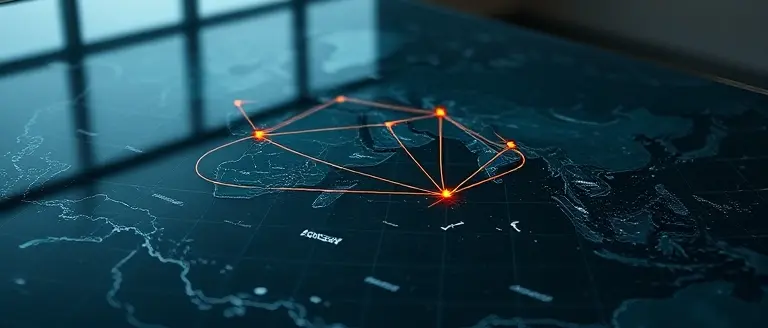
The recent high-level visit by the Russian Defence Minister to Pyongyang marks a significant inflection point in the Kremlin’s geopolitical strategy. As Russia faces increasing diplomatic isolation from Western powers, the deepening alliance with North Korea signals a shift from traditional diplomatic engagement toward a survival-oriented military partnership. Evidence suggests that this pivot is not merely symbolic; it represents a tactical consolidation of resources aimed at sustaining the ongoing conflict in Ukraine while challenging the regional security architecture in the Indo-Pacific. By aligning with a state that exists largely outside the global financial system, Moscow is effectively insulating its military supply chains from Western sanctions, albeit at the cost of further alienating the international community.
Strategic Implications for Regional Security
The synchronization of military-diplomatic ties between Moscow and Pyongyang creates complex challenges for global security, particularly regarding the proliferation of advanced defense technologies. Analysts monitoring the partnership highlight several key areas of concern:
- Supply Chain Resilience: The exchange of munitions and manufacturing materials provides Russia with the necessary stockpiles to extend the fifth year of the conflict, bypassing localized production bottlenecks.
- Technological Proliferation: There is mounting concern that Russia’s expertise in missile systems and nuclear-capable delivery platforms may be transferred to North Korea in exchange for artillery and industrial support, potentially destabilizing the East Asian status quo.
- Geopolitical Alignment: This alliance forces regional actors, including South Korea and Japan, to re-evaluate their defense postures, likely leading to increased military integration with U.S.-led coalitions in the Pacific.
Ultimately, the North Korean pivot serves as a barometer for Russia’s diminishing diplomatic options. While this cooperation provides immediate logistical relief for the Kremlin, it accelerates the long-term bifurcation of the global order. For observers, the crucial takeaway is that the “spring of discontent” currently undermining internal stability within Russia is pushing the state toward radical, unpredictable external partnerships that threaten to expand the conflict beyond the borders of Eastern Europe into the wider Asian theater.
Cyber-Aggression as a Substitute for Soft Power

As Russia finds its traditional diplomatic channels largely obstructed by international sanctions and widespread geopolitical isolation, the Kremlin has increasingly pivoted toward asymmetrical warfare to project influence. Recent investigations, including reports from European security agencies, highlight a sophisticated turn toward signal phishing and targeted cyber-espionage directed at high-level European politicians. This tactical shift is not merely a byproduct of technological capability but a strategic necessity born from the collapse of traditional soft power. When institutional persuasion and economic cooperation fail, digital destabilization becomes the primary instrument for maintaining leverage over continental neighbors.
The Mechanism of Digital Destabilization
The move toward aggressive cyber-operations serves as a force multiplier for a nation currently grappling with the economic and psychological strains of a protracted conflict. By targeting the communication infrastructure of foreign officials, state-affiliated actors aim to sow discord, leak private deliberations, and ultimately paralyze the collective decision-making capacity of the European Union. Key observations regarding this shift include:
- Erosion of Institutional Trust: Phishing campaigns are designed to compromise individual integrity, which then serves as a vector to undermine public confidence in democratic institutions.
- Asymmetric Cost-Benefit: Compared to the exorbitant human and material costs of kinetic military escalation, cyber-interference provides a high-impact, low-visibility alternative to influence regional politics.
- Information Warfare Alignment: These phishing efforts act in lockstep with state media narratives, reinforcing the “spring of discontent” narrative by highlighting perceived internal vulnerabilities within European governments.
This reliance on cyber-aggression confirms that for Russia, the digital domain has become the new frontier of power projection. As diplomatic visits to North Korea signal a hardening of military-diplomatic blocs, the parallel rise in cyber-harassment suggests a total abandonment of conventional diplomacy in favor of a permanent, low-intensity conflict model. For international observers, this shift necessitates a fundamental rethinking of cybersecurity, moving beyond reactive defense toward a proactive stance against what is now a central pillar of Moscow’s foreign policy.
Reclaiming Clarity Amidst Global Volatility
The convergence of systemic military fatigue, geopolitical shifts, and the relentless noise of modern information warfare creates a state of chronic psychological strain that few are equipped to process. As we analyze the cracks in the status quo, it becomes clear that the greatest asset in an era of instability is the ability to maintain a sharp, analytical, and uncluttered mind. While the geopolitical headlines continue to create a climate of pervasive mental fatigue, maintaining one’s own cognitive resilience has become an essential form of defense in such a volatile information environment.
To navigate this ‘bleak’ landscape without succumbing to the cognitive decline associated with prolonged stress, we must look toward science-backed methods for recovery. The Brain Song serves as your primary cognitive defense tool, designed to restore mental clarity through evidence-based auditory stimulation. It is uniquely positioned to counteract the neural overload caused by today’s heavy news cycle, allowing you to process complex information with renewed focus and analytical strength.
By integrating this routine into your life, you are not just seeking relief—you are building the mental fortitude necessary to remain grounded in a rapidly shifting world. You have the power to step out of the fog of perpetual anxiety and reclaim your sharpness. Start your journey toward sustained mental restoration today.
 Reclaim your mental clarity and combat the fatigue of the current news cycle by starting your daily 12-minute neuroscience-based routine today.Protect My Cognitive Clarity Now