

The echoes of 27,000 cheering runners are finally settling over Prospect Park, marking the successful conclusion of the 2026 NYCRUNS Brooklyn Experience Half Marathon. For the thousands who conquered the route—from the electric start near McCarren Park to the final, triumphant stretch—the day was a testament to the grit and community spirit that defines New York City athletics. But beyond the race results and the temporary road closures, the true story of this year’s event lies in the surge of everyday athletes who turned their personal training journey into a powerful statement of resilience.
Whether you were a first-time participant finding your footing or a seasoned local looking to beat your PR, the Brooklyn Half Marathon is more than a race; it is a profound lifestyle shift. As the city returns to its daily rhythm, the focus now turns to the ‘Aftermath and Inspiration’ phase. How do we translate that race-day adrenaline into sustained fitness? For many, the physical demands of training revealed a common hurdle: the metabolic wall. Mastering the balance between grueling training sessions and internal recovery is the true challenge that separates those who merely finish from those who truly thrive.
Recap: The 2026 NYCRUNS Brooklyn Experience Half Marathon
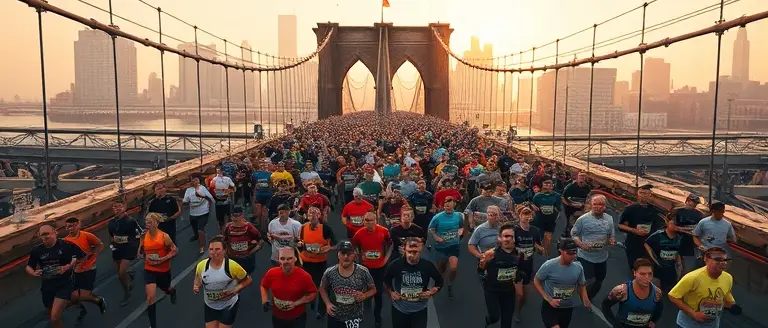
The 2026 NYCRUNS Brooklyn Experience Half Marathon, held on April 26, 2026, cemented its reputation as one of the most significant athletic spectacles in New York City. With a record-breaking turnout of over 27,000 runners, the event showcased the sheer scale and growth of this premier race. From the high-energy starting line near McCarren Park to the celebratory atmosphere at the finish line in Prospect Park, the route served as a vibrant tour of the borough’s unique urban landscape.
A Landmark Achievement in Urban Athletics
The massive participation numbers highlight a clear shift in local sports culture, with the event attracting both elite competitors and a vast demographic of first-time half marathoners. Social media channels and community boards were abuzz throughout the day, documenting everything from personal records to the camaraderie fostered along the course. Key highlights from the race day included:
- Logistical Excellence: Despite the immense crowd size, organizers successfully navigated the complex road closures across Williamsburg and Greenpoint, balancing race requirements with resident accessibility.
- Atmospheric Energy: The “Brooklyn experience” vibe was palpable, with spectator zones providing consistent encouragement that fueled participants through the challenging stretches of the course.
- Community Impact: The race once again proved to be a catalyst for local engagement, as residents lined the streets to cheer on the thousands of runners traversing Brooklyn’s most iconic neighborhoods.
The success of the 2026 race confirms its status as a must-attend event in the U.S. racing calendar. For those who crossed the finish line, the accomplishment serves as a testament to months of training and the enduring appeal of urban endurance events. As the city returns to its normal rhythm, the buzz surrounding this year’s results and runner stories continues to provide inspiration for aspiring athletes looking toward future race cycles.
The Fastest-Growing Half Marathon in America: A Cultural Phenomenon
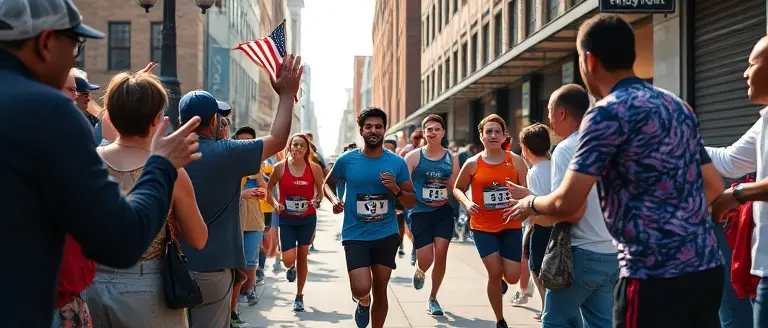
The NYCRUNS Brooklyn Experience Half Marathon has rapidly ascended to become one of the most significant athletic milestones in the United States. With over 27,000 finishers in the 2026 event held on April 26, the race has transformed from a local neighborhood gathering into a massive urban festival. This surge in popularity is driven by a unique intersection of community pride and the desire for a high-energy urban challenge. Unlike traditional races that prioritize sheer speed, the Brooklyn course emphasizes the Brooklyn experience, weaving through iconic neighborhoods like Greenpoint and Williamsburg before culminating in the historic greenery of Prospect Park.
Why This Race Resonates
The event’s growth is fueled by several distinct factors that appeal to both competitive athletes and recreational bucket-list runners:
- Cultural Integration: The race route serves as a visual celebration of Brooklyn’s evolution, offering participants an immersive tour of the borough’s architecture and local vibrancy.
- Accessibility for First-Timers: The inclusive environment and strong social media presence—particularly on platforms like TikTok—have positioned this half marathon as a “rite of passage” for a new generation of runners.
- Strategic Urban Planning: By effectively managing the logistical challenges of road closures and participant flow, the organizers have turned a potentially disruptive event into a celebrated weekend for the entire NYC community.
As the race continues to expand, it acts as a mirror for the borough’s own growth. The Brooklyn Half Marathon is no longer just a race; it is a cultural anchor that demands long-term training, local pride, and a sense of shared accomplishment. This trend indicates that the appetite for destination races, which combine physical endurance with a deep, authentic exploration of city culture, is only expected to intensify in coming years.
Essential Guide: Preparing for Your First Brooklyn Experience

Preparing for the NYCRUNS Brooklyn Experience Half Marathon requires more than just logging miles; it demands a strategy tailored to the unique urban landscape of New York City. As one of the fastest-growing races in the United States, this event challenges runners with a vibrant, high-energy atmosphere that can easily lead to a premature “start-line surge.” To successfully navigate your first race, prioritize a training block that incorporates rolling hills and flat, fast stretches, mirroring the transition from the streets of Greenpoint toward the iconic greenery of Prospect Park.
Strategic Training and Logistics
Success on race day is built on preparation that accounts for both physical stamina and logistical awareness. Unlike trail races, this event forces participants to manage pacing amidst thousands of fellow athletes, making mental agility just as important as cardiovascular fitness.
- Terrain Acclimation: Incorporate mid-week speed work on flat surfaces to simulate the Brooklyn grid, while reserving long runs for hilly routes to build the strength needed for the final miles.
- Logistical Planning: Familiarize yourself with the start-line logistics near McCarren Park well in advance. Study the participant tracking and road closure reports that circulate in the 48 hours preceding the race to avoid unnecessary pre-race stress.
- The “Brooklyn Experience” Atmosphere: The energy of the crowd is a powerful motivator, but it can also be distracting. Practice running your own race by utilizing a pacing band, ensuring you don’t burn out during the initial adrenaline-fueled miles.
By focusing on these pillars—specific terrain training, proactive logistical management, and disciplined pacing—you will be well-equipped to handle the demands of the course. Whether you are a local resident or visiting NYC for the first time, approaching the Brooklyn Half Marathon with this methodical mindset will transform the challenge into a rewarding, bucket-list accomplishment.
Resident Resource: Understanding Brooklyn Half Marathon Road Closures

The NYCRUNS Brooklyn Experience Half Marathon brings significant energy to the borough, but it also necessitates substantial infrastructure adjustments. For residents living along the route—stretching from McCarren Park through Williamsburg, Greenpoint, and concluding in Prospect Park—proactive planning is essential. Race day typically results in rolling street closures that begin in the early morning hours, often peaking between 7:00 AM and 1:00 PM. Local authorities and event organizers coordinate these closures to ensure runner safety while balancing the needs of NYC transit and emergency services.
Navigating Traffic and Local Access
To minimize disruption, residents are encouraged to utilize official resources provided by NYCRUNS at least 72 hours prior to the race. These resources typically include interactive maps that highlight exact street closure times and suggested detours. If you reside within the perimeter of the course, consider these essential tips:
- Plan Ahead: If you have scheduled appointments, travel, or deliveries on race morning, plan to navigate around the course footprint before the streets close or wait until the final runners have passed.
- Bus Diversions: Many MTA bus lines serving Brooklyn are rerouted during the event. Check the MTA website or real-time transit apps for temporary bus stop relocations.
- Stay Informed: Monitor the official NYCRUNS portal or local NYC Department of Transportation (DOT) updates for real-time notifications regarding re-opening times, which can fluctuate based on the pace of the final runners.
While the race creates temporary logistical challenges, it also highlights the strength of the Brooklyn community. By staying updated through official city alerts and planning your commute around the Brooklyn Half Marathon schedule, you can easily navigate the neighborhood impact. Always verify the specific closure list annually, as course adjustments to accommodate the event’s growing popularity can shift traffic patterns slightly from year to year.
Fueling Your Run to the Finish Line
Crossing the finish line in Prospect Park after navigating the vibrant streets of Brooklyn is more than just a physical achievement; it’s a milestone that transforms your perspective on what your body can accomplish. However, the path to 13.1 miles is often paved with the silent struggle of metabolic fatigue and the challenge of sustaining energy during grueling training blocks. While your mileage is the foundation, your internal metabolic efficiency is the secret weapon used by seasoned runners to avoid that dreaded mid-training plateau and ensure you reach your peak potential.
This is where CitrusBurn becomes your most valuable training partner. Designed to combat the thermogenic resistance that frequently impacts adults returning to fitness, CitrusBurn provides a clean, metabolic advantage. By supporting your body’s natural fat-burning processes and delivering sustained, jitter-free energy, it allows you to focus on your stride rather than your stamina. It is the missing piece in the puzzle of amateur athletic preparation, helping you bridge the gap between where you are today and the runner you are destined to become.
As you reflect on the energy of the NYCRUNS Brooklyn Experience, take the step to optimize your own recovery and daily performance. You have already proven your dedication; now, it is time to support that effort with science-backed nutrition that works as hard as you do.
 Support your Brooklyn Half training cycle and stabilize your energy levels throughout your prep; learn how CitrusBurn can help you reach your peak performance here.Transform My Energy Today!