

In the high-stakes world of professional tennis, the distance between a career-stalling injury and the bright lights of a breakthrough victory is often measured in inches—and millimeters of mental fortitude. For American standout Caty McNally, that journey reached a exhilarating crescendo on April 24, 2026, at the Mutua Madrid Open. After a grueling battle with an elbow injury that sidelined her progress in 2024, McNally silenced the skeptics and shattered her own personal barrier by clinching the first top-10 victory of her career, dismissing the No. 10 seed Victoria Mboko in a clinical 6-4, 6-1 masterclass.
This performance was more than just a scoreline; it was a testament to the tactical evolution and renewed “inner artist” mindset McNally has cultivated during her rehabilitation. As she prepares to face Katerina Siniakova, her resurgence offers a compelling blueprint for any athlete struggling to reclaim their peak. Beyond the baseline, her story asks a fundamental question: when the physical body recovers, how do you sharpen the mind to seize the moment once again?
Caty McNally’s Breakthrough Victory at the 2026 Mutua Madrid Open

On April 24, 2026, Caty McNally reached a pivotal milestone in her professional career by securing her first-ever victory over a top-10 opponent at the Mutua Madrid Open. Facing the formidable No. 10 seed, Victoria Mboko, in the tournament’s second round, McNally delivered a masterclass in tactical composure. She dismantled her opponent in straight sets with a decisive 6-4, 6-1 scoreline, signaling a definitive return to form for the American tennis standout. This high-profile win serves as a major turning point, effectively snapping a frustrating eight-match losing streak against top-10 players that had previously hindered her ascent in the WTA rankings.
The significance of this performance extends beyond the box score, representing a long-awaited vindication following a difficult 2024 season. After being sidelined by a serious elbow injury that necessitated surgery, McNally’s path back to elite-level tennis has been defined by persistence and structural adjustments to her game. Analysts suggest that the mental fortitude displayed during her Madrid campaign suggests a new level of maturity in her match management. Her ability to execute under pressure highlights several key improvements:
- Tactical Versatility: McNally demonstrated an improved ability to shift defensive momentum into aggressive counter-attacks, a hallmark of her refined style.
- Mental Resilience: By overcoming the psychological hurdle of her previous eight-match skid, she has proven she can compete with the sport’s elite despite previous setbacks.
- Physical Conditioning: The fluidity of her movement throughout the straight-set victory provides evidence that her post-surgery recovery is fully complete.
As McNally prepares to face Katerina Siniakova in the upcoming round, the tennis world is closely monitoring whether this breakthrough marks the beginning of a sustained rise. Her performance in Madrid has effectively silenced doubts regarding her post-injury trajectory, positioning her as a player to watch as the season progresses. By letting her “inner artist” influence a more creative and confident court approach, McNally has transformed her narrative from one of injury recovery to that of a rising force in the WTA tour.
The Road to Recovery: Overcoming the 2024 Elbow Surgery

For Caty McNally, the 2024 season represented a significant professional hurdle. An elbow injury requiring surgical intervention brought her rising momentum to an abrupt halt, forcing her to step away from the WTA Tour to prioritize long-term health over immediate competition. The path back from such a procedure is notoriously grueling, involving months of physical therapy, restricted movement, and the psychological challenge of regaining confidence in her primary strokes. For a player whose game relies on precision and touch, the surgery threatened not just her physical mechanics but the fluidity that defines her playstyle.
Her recent breakthrough at the Mutua Madrid Open serves as tangible evidence that she has successfully navigated this rehabilitation period. By defeating Victoria Mboko in straight sets, McNally secured the first top-10 victory of her career—a milestone that previously eluded her during an eight-match losing streak against high-ranked opponents. This performance signals that her recovery is complete, moving past the lingering doubts that often plague athletes returning from significant orthopedic procedures.
Key Factors in McNally’s Comeback
Several elements have been instrumental in this resurgence:
- Mental Fortitude: McNally has reportedly adopted a more artistic, patient approach to her craft, allowing her natural feel for the game to dictate points rather than forcing the issue.
- Tactical Calibration: The time away allowed her coaching team to refine her movement patterns, ensuring less stress is placed on her elbow during high-intensity rallies.
- Physical Conditioning: The rigorous focus on shoulder and elbow stability during her 2024 recovery has clearly paid off, as she maintained high-level intensity throughout her two-set victory in Madrid.
As she prepares to face Katerina Siniakova, McNally is no longer viewed merely as a player on the mend; she is a legitimate threat in the tournament. This win in Madrid is more than just a box score; it is a declaration that the American is back in the upper echelons of professional tennis.
Analyzing the Upcoming Matchup: McNally vs. Katerina Siniakova
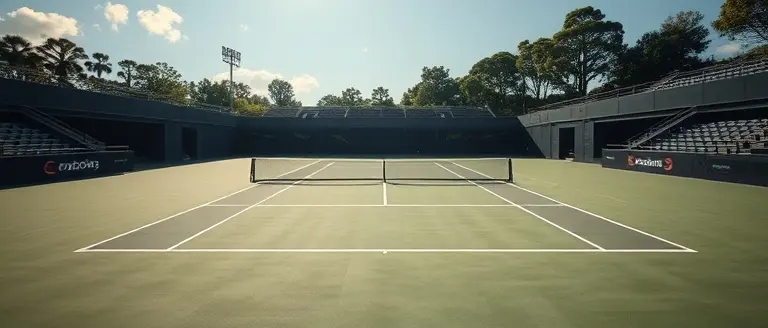
Following her breakthrough performance against Victoria Mboko, Caty McNally enters her next Mutua Madrid Open clash with newfound confidence. Facing Katerina Siniakova represents a significant tactical test, as the veteran Czech player is renowned for her world-class doubles pedigree and high-tennis IQ. While McNally’s recent victory showcased a rejuvenated baseline game and cleaner strike mechanics, Siniakova will likely attempt to disrupt that rhythm with varied pace, aggressive net approaches, and crafty slice shots.
Tactical Keys to Success
To sustain her momentum, McNally must replicate the disciplined shot selection that allowed her to dismantle Mboko. Evidence from her recent matches suggests that McNally’s recovery from her 2024 elbow surgery has been bolstered by a more patient approach to point construction. Against a tactical operator like Siniakova, McNally should focus on the following:
- Neutralizing the Net Game: Siniakova will look to close the net early; McNally needs to utilize aggressive passing shots and dipping returns to keep the ball low.
- Dictating with the Forehand: Maintaining the heavy topspin that characterized her previous win will be crucial to pushing Siniakova off the baseline.
- Mental Resilience: McNally’s breakthrough signifies she has overcome the psychological barrier of her eight-match losing streak against top-10 caliber opponents; carrying this “inner artist” creative mindset into the Siniakova match is vital.
Ultimately, this matchup serves as a barometer for how far McNally has progressed in her post-injury career. If she can effectively leverage her improved serve-plus-one efficiency, she possesses the tools to trouble Siniakova’s defensive shell. Controlling the center of the court will be the deciding factor in whether the American continues her deep run in Madrid.
Beyond the Scoreboard: The ‘Inner Artist’ Behind the Athlete

While the tennis world often fixates on raw velocity and power-baseline statistics, Caty McNally has carved out a distinct identity by embracing a more nuanced, creative approach to her craft. Observers in Madrid have frequently described this shift as tapping into an “inner artist,” a perspective that prioritizes tactical variety and court geometry over mere force. This artistic mindset is not merely a stylistic choice; it has been a fundamental component of her mental resilience following her recovery from a debilitating 2024 elbow surgery. By diversifying her shot selection and utilizing creative angles, McNally prevents opponents from finding a consistent rhythm, which proved vital in her breakthrough victory over Victoria Mboko.
Developing Tactical Flexibility
McNally’s evolution as a player suggests that her injury-enforced hiatus allowed her to refine her cognitive approach to matches. Instead of relying solely on physical dominance, she now incorporates a high level of court craft that distinguishes her from traditional power hitters. This mental framework provides several competitive advantages:
- Enhanced Resilience: By focusing on the “art” of point construction, she maintains composure during high-pressure moments, helping her break her winless streak against top-10 opponents.
- Unpredictability: Her reliance on slices, drop shots, and aggressive net play disrupts the flow of baseline-heavy players, forcing them into uncomfortable tactical positions.
- Injury Management: A more technical, point-efficient style reduces the cumulative wear on her body, a strategic necessity after her successful return from major surgery.
This creative shift is proving effective on the clay courts of the Mutua Madrid Open. By letting her “inner artist” dictate her movement, McNally transforms her game into a problem-solving exercise rather than a test of physical endurance alone. As she prepares for her upcoming match against Katerina Siniakova, this unique combination of mental flexibility and technical skill remains her most potent weapon.
Unlock Your Peak Performance Potential
Caty McNally’s triumph at the Madrid Open serves as a potent reminder that the most formidable opponent an athlete faces is often their own internal narrative after a setback. By integrating a refined mental approach with her physical recovery, she successfully bridged the gap between potential and performance. This shift from frustration to clarity is exactly what separates champions from the rest of the pack, proving that mental conditioning is just as critical as court time.
Just as McNally credits this renewed mental artistry for her recent success, high-performers are increasingly turning to neuro-scientific tools to sharpen their cognitive edge. If you are looking to overcome your own mental fog and sustain the level of focus required to dominate your personal or professional field, there is a new standard in mental training. The Brain Song is designed to help you tap into that same state of flow by reducing cognitive noise and enhancing the resilience needed to bounce back from any challenge.
By utilizing a 12-minute daily routine of auditory stimulation, you can prime your brain for consistent, high-level output. This is not just about wellness; it is a strategic tool for those who refuse to let obstacles stand in the way of their goals. Experience the same cognitive clarity that is currently powering a new chapter in McNally’s career and take control of your focus starting today.
 Unlock your own ‘inner artist’ and sharpen your cognitive edge with The Brain Song’s 12-minute daily routine.Yes, I Want This Now!