
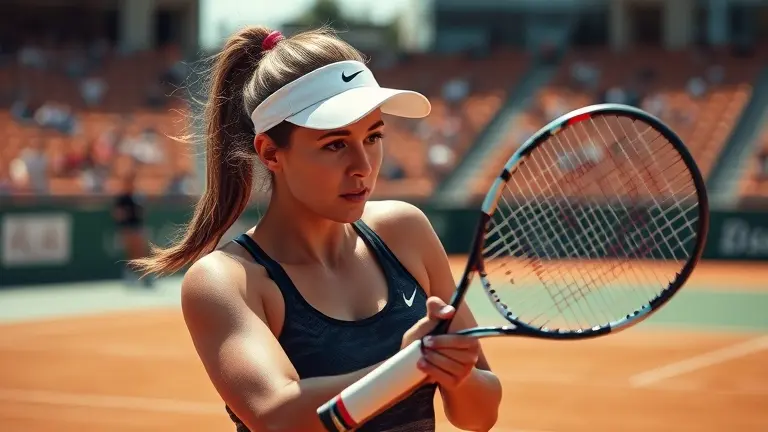
In the high-stakes arena of the 2026 Mutua Madrid Open, 36-year-old Sorana Cîrstea reminded the world that experience is an unmatched tactical weapon. Her third-round showdown against teenage sensation Coco Gauff was far more than a statistic-filled match report; it was a masterclass in professional resilience. Despite Gauff’s eventual comeback victory, Cîrstea’s clinical first-set performance showcased the exact brand of tactical grit that keeps a veteran player firmly anchored in the top tier of the WTA rankings, even when facing the relentless physical pace of the sport’s new generation.
This clash serves as a compelling case study for anyone navigating the challenges of maintaining physical excellence past their mid-thirties. While tennis fans debate the transition between ‘rising stars’ and ‘established veterans,’ the underlying theme is one of physiological management. Cîrstea’s ability to compete at this level at 36 years old highlights a critical truth: modern performance is built on the foundation of endurance and metabolic stability. As we look at how elite athletes maintain their edge, we uncover vital lessons for our own daily battles—proving that with the right support, peak performance is a lifelong pursuit.
The Madrid Showdown: Analyzing Cîrstea vs. Gauff
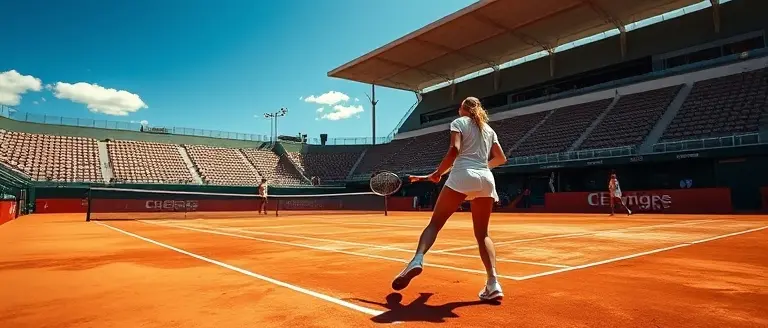
The third-round encounter at the 2026 Mutua Madrid Open between Sorana Cîrstea and Coco Gauff served as a masterclass in professional resilience and tactical adaptability. Entering the match as the 25th seed, the 36-year-old Cîrstea showcased the veteran poise that has kept her firmly entrenched in the top 30 of the WTA rankings. During the first set, Cîrstea effectively dictated play, utilizing deep, aggressive groundstrokes to exploit the clay-court conditions and secure a 6-4 lead. Her ability to neutralize Gauff’s pace highlighted the sustained technical evolution of the Romanian veteran, who remained disciplined in her shot selection against the younger American superstar.
Tactical Shifts and Physical Endurance
The narrative of the match shifted dramatically as Gauff began to struggle visibly with physical illness on court. Despite the American’s clear distress, the match evolved into a poignant study of competitive endurance. The momentum swing in the second and third sets demonstrated the unique challenges of modern tennis, where physical fortitude is often as decisive as technical skill.
- First Set Dominance: Cîrstea utilized high-margin, heavy topspin shots to keep Gauff on the defensive.
- The Turning Point: As Gauff’s physical condition dipped, the tactical landscape changed; the American began playing more abbreviated points, which, counterintuitively, disrupted Cîrstea’s rhythm.
- The Final Outcome: Gauff’s capacity to push through physiological barriers allowed her to clinch the match 4-6, 7-5, 6-1, securing her spot in the round of 16.
For Sorana Cîrstea, the loss was a difficult conclusion to a high-caliber performance. The match underscored that even for an established veteran, managing the psychological pressure of a surging younger opponent—especially one fighting through adversity—requires immense focus. This contest will likely be remembered not just for the final score, but for the grit displayed by both athletes in one of the most physically demanding environments on the WTA Tour.
Veteran Resilience: Cîrstea’s Endurance at 36

At 36 years old, Sorana Cîrstea continues to defy the conventional shelf-life of professional tennis players. Her performance at the 2026 Mutua Madrid Open, particularly her tactical display against Coco Gauff, underscores a level of maturity that only decades on the professional circuit can cultivate. While the sport has trended toward younger, power-focused athletes, Cîrstea’s sustained presence in the top 30 rankings remains a testament to her adaptability and evolved approach to match management. Her ability to secure the first set against a top-tier talent like Gauff demonstrates that tactical precision—often overlooked in favor of pure athletic output—remains a potent weapon on the clay courts of Europe.
The Evolution of Tactical Maturity
Cîrstea’s longevity is anchored in her transition from a high-pace aggressive hitter to a calculated strategist who understands the geometry of the court. Her recent match against Gauff serves as a prime case study in veteran resilience. Facing a younger opponent, Cîrstea utilized heavy, deep groundstrokes to dictate play, forcing errors and testing her opponent’s physical limits. Key factors in her ongoing success include:
- Strategic Serve Placement: Relying on accuracy rather than sheer speed to keep opponents off-balance.
- Mental Fortitude: Maintaining composure during long rallies, a trait honed through years of WTA experience.
- Physical Maintenance: A highly disciplined recovery regimen that allows her to compete at an elite level despite the grueling nature of the tour.
Even in narrow defeats, such as the three-set loss in Madrid, Cîrstea proves that she is not merely a participant but a legitimate threat to the new generation. For fans and analysts, Sorana Cirstea represents a vital counter-narrative to the “youth-first” model, proving that through experience and refined court craft, players can remain competitive well into their mid-thirties. Her career arc demonstrates that sustained endurance is as much a mental discipline as it is a physical endeavor.
The Impact of Health and Physicality in Elite Tennis

The 2026 Mutua Madrid Open clash between Sorana Cîrstea and Coco Gauff serves as a definitive case study in how physical conditioning and health management dictate the ebb and flow of professional tennis. While technical prowess and tactical intelligence often dominate pre-match narratives, the reality of the WTA tour is that extreme endurance is the baseline requirement for success. Cîrstea, at 36 years old, demonstrated the calculated patience of a veteran by securing the first set, exploiting the court geometry and pace that her experience has mastered over nearly two decades. However, the shifting momentum of the match highlighted a vital truth: even when a higher-seeded opponent faces physical adversity—such as Gauff’s visible illness—the mental fortitude required to capitalize on that opening is immense.
The Role of Resilience in Modern WTA Competition
In elite tennis, physical resilience acts as the ultimate equalizer. When an athlete faces unforeseen health setbacks, the ability to adapt, conserve energy, and maintain tactical discipline becomes as critical as the serve or the backhand. The Gauff vs. Cîrstea encounter underscored several key takeaways regarding endurance:
- Adaptation Under Duress: Maintaining high-percentage tennis while experiencing physical distress requires an elite level of compartmentalization that few players possess.
- The Veteran Advantage: Players like Sorana Cirstea utilize their deep experience to mitigate fatigue and sustain performance levels, whereas younger competitors often rely on raw recovery speed.
- Environmental Factors: Playing on challenging surfaces like the Madrid clay heightens physical demand, making tournament preparation and medical management essential for longevity.
Ultimately, the match was a testament to the fact that tennis is an “attrition sport.” For competitors in the top 30, physical health is the primary currency. Whether managing injuries or navigating the grueling schedule of the clay-court season, players must possess the strategic wisdom to recognize when to push their bodies to the limit and when to rely on tactical adjustments to survive. The ability to endure is no longer just a physical trait; it is a fundamental element of a player’s professional toolkit.
Tactical Breakdown: Why Cîrstea’s Game Stood Out

In the opening set of her third-round clash at the 2026 Mutua Madrid Open, Sorana Cîrstea showcased the tactical maturity that has kept her a fixture in the top 30 rankings. Facing a high-intensity mover like Coco Gauff, the 36-year-old Romanian relied on a methodical, high-percentage approach that neutralized Gauff’s raw athleticism. By utilizing deep, flat groundstrokes that cut through the high-altitude conditions of Madrid, Cîrstea forced her American opponent into uncomfortable court positions, limiting Gauff’s ability to dictate play with her trademark aggressive baseline game.
Strategic Execution and Court Positioning
The success of sorana cirstea in the first set was rooted in her ability to manage the pace of the ball rather than engaging in power-hitting exchanges that favor younger, reactive players. Her tactical blueprint included:
- Directional Versatility: Cîrstea consistently targeted Gauff’s wider angles, forcing the younger star to sprint and recover, which prevented Gauff from setting her feet to unleash her powerful forehand.
- Neutralizing the Second Serve: By stepping inside the baseline on Gauff’s second serves, Cîrstea shortened the points, denying Gauff the time to find a rhythm.
- Shot Selection: Rather than overcommitting to winners, she focused on high-margin, cross-court heavy topspin shots that pushed Gauff deep behind the baseline, exploiting the unique clay court conditions.
This clinical display demonstrates why sorana cirstea remains a formidable challenge for top-seeded players. While Gauff’s eventual physical struggles and subsequent comeback dominated headlines, the technical foundation laid by Cîrstea in the first set serves as a masterclass in veteran resilience. For tennis enthusiasts, the match highlighted that experience and intelligent shot selection can effectively dismantle the rhythm of the tour’s top-ten elite, even under the physical demands of a grueling clay-court season.
Fueling Your Own Comeback Story
The tenacity displayed by Sorana Cîrstea at the 2026 Mutua Madrid Open serves as a powerful reminder that elite performance is not merely a product of youth, but of strategic, long-term maintenance. While the match against Coco Gauff highlighted the physical volatility of high-level tennis, it also underscored the reality that sustaining peak output requires a refined approach to endurance. For the everyday high-achiever, the secret to remaining competitive in life’s demanding matches is no different: it lies in how effectively you support your body’s internal engine as the years progress.
Just as a veteran athlete optimizes their recovery and metabolic efficiency to outlast younger opponents, you must bridge the gap between biological aging and sustained vitality. This is where your personal “endurance accelerator” becomes essential. CitrusBurn is specifically engineered to address the physiological hurdles that often emerge after 35, reactivating your metabolic health to provide the consistent, clean energy required for high-performance living. It isn’t just about supplementation; it is about reclaiming the metabolic fire that allows you to show up at your best, every single day.
By prioritizing your metabolic foundation now, you ensure that you aren’t just participating in the game of life, but actively controlling your performance trajectory. Don’t let mid-life fatigue dictate your boundaries—harness the science of longevity and unlock the sustained vitality you deserve. Discover how to optimize your metabolic endurance and sustain your peak performance with CitrusBurn.Yes, I Want to Boost My Energy Today!