
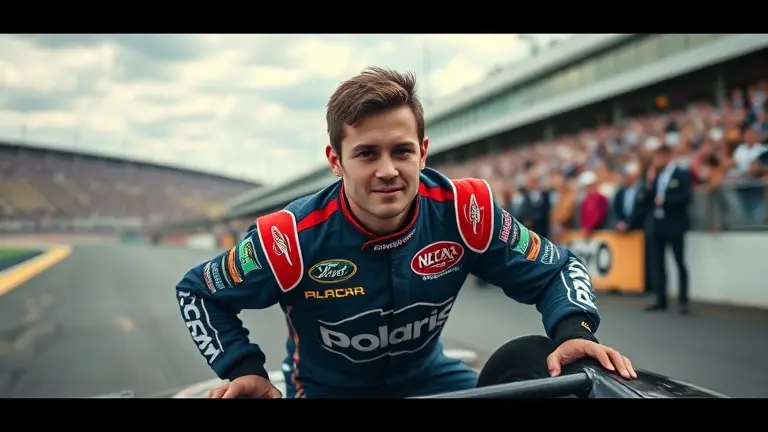
When Garrett Mitchell, better known as Cleetus McFarland, performed a set of push-ups on the Talladega asphalt just moments after driver Jesse Love secured the pole position, it wasn’t just a viral stunt—it was a bold statement of intent. As he bridges the gap from viral internet personality to a legitimate contender in the NASCAR O’Reilly Auto Parts Series, Mitchell is rewriting the playbook on how a digital-first creator can dominate the world of professional motorsports. His upcoming transition to the cockpit of a Richard Childress Racing (RCR) machine, coupled with a major multi-year partnership with Polaris, marks a seismic shift in how traditional racing organizations now value the massive, hyper-engaged audiences influencers bring to the track.
This isn’t merely about social media reach; it is a masterclass in leveraging a dedicated community to secure top-tier assets. By treating his YouTube channel as a high-performance marketing machine, Cleetus is successfully converting his niche automotive hobbyist base into a powerful engine for mainstream NASCAR growth. As traditional fans watch this rapid professional ascent, the industry is forced to reckon with a new reality: the future of motorsports isn’t just decided by raw driving talent, but by the ability to engineer a brand that resonates with the DIY spirit of the modern fan.
The Rise of Garrett ‘Cleetus’ Mitchell: From Talladega to Nashville
The professional evolution of Garrett “Cleetus” Mitchell from a high-energy YouTube personality into a legitimate NASCAR-sanctioned contender has reached a fever pitch in April 2026. With a subscriber base exceeding 4.7 million, Mitchell has successfully bridged the gap between digital content creation and high-stakes automotive competition. His recent appearance at the Talladega Superspeedway served as a microcosm of his unique brand, where he famously performed 50 push-ups on the track apron after Jesse Love secured the pole position. This viral moment was more than a mere stunt; it underscored the growing symbiosis between influencer culture and professional racing, signaling that Mitchell is no longer an outsider looking in, but a deliberate participant within the NASCAR ecosystem.
His trajectory is accelerating as he prepares for a high-profile return to the NASCAR O’Reilly Auto Parts Series. Scheduled for May 2026 at the Nashville Superspeedway, this outing represents a significant step up in his career as he steps behind the wheel for Richard Childress Racing (RCR). This partnership is a testament to his rising stock, moving beyond grassroots events into the inner sanctum of elite stock car racing. Industry analysts suggest that his transition is supported by a sophisticated business strategy, which includes:
- Strategic Partnerships: A newly announced multi-year endorsement deal with Polaris, bridging the gap between off-road enthusiasts and mainstream asphalt racing.
- Audience Monetization: Utilizing his immense digital reach to provide sponsors with a direct pipeline to a younger, highly engaged demographic often missed by traditional sports broadcasting.
- Credentialing: Proving his seat time through consistent performance in various series, effectively silencing critics who once dismissed his presence as a marketing gimmick.
As Mitchell eyes the Nashville race, the broader NASCAR fanbase is witnessing a fundamental shift in how drivers enter the sport. By leveraging the reach of his digital platform as a marketing machine, he has successfully transformed his career from hobbyist tinkering to a full-scale professional venture that command respect from both corporate sponsors and traditional race teams.
The Influencer-to-Racer Blueprint: How YouTube Powers the Track
The rapid ascent of Cleetus McFarland (Garrett Mitchell) from a digital creator with 4.7 million subscribers to a participant in the NASCAR O’Reilly Auto Parts Series represents a paradigm shift in how professional motorsports cultivate modern audiences. Unlike traditional drivers who rely solely on driver development programs, McFarland utilizes his massive YouTube platform as a high-octane marketing engine. By documenting the granular, high-energy reality of automotive customization, he converts casual viewers into deeply invested fans of both his personal brand and the professional racing ecosystem. This “influencer-to-racer” model provides stakeholders with a direct line to a younger, digitally native demographic that traditional broadcast media struggles to capture.
His partnership with Richard Childress Racing (RCR) and his recent multi-year endorsement deal with Polaris illustrate the tangible business value of this approach. Brands are no longer just buying a logo on a car; they are buying access to a loyal community that values DIY authenticity. When McFarland performs 50 push-ups after a teammate secures a pole position at Talladega, he isn’t just generating social media engagement—he is humanizing the sport and making the rigid world of professional racing appear accessible and relatable.
Key mechanisms driving this successful convergence include:
- Audience Monetization: Transforming passive views into trackside presence, directly driving ticket sales and live event engagement at speedways.
- Brand Synergy: Utilizing long-form video storytelling to integrate corporate partners like Polaris into organic, high-stakes environments, far surpassing the effectiveness of traditional static advertising.
- Cultural Bridging: Translating the grit of grassroots automotive hobbyists into the sophisticated, high-speed domain of NASCAR, successfully broadening the sport’s demographic appeal.
By leveraging his digital reach as a strategic asset, McFarland proves that modern drivers must be part-athlete and part-media mogul to thrive in the contemporary sports landscape.
Strategic Partnerships: The Polaris Deal and Corporate Buy-in
The recent multi-year endorsement deal between Cleetus McFarland (Garrett Mitchell) and Polaris signifies a fundamental shift in how major manufacturers approach sports marketing. By aligning with a digital-native creator who commands an audience of over 4.7 million subscribers, Polaris is moving away from the traditional, passive exposure of sticker placements toward an active, conversion-driven model. This partnership is not merely a brand association; it is a strategic maneuver to tap into a highly engaged community of automotive lifestyle consumers who mirror the demographic profile of the off-road and motorsports vehicle market.
Why Corporate Budgets Are Shifting
The pivot toward influencers like Cleetus McFarland reflects a broader trend in NASCAR-adjacent sponsorships. Where traditional motorsports teams once relied on broad television impressions, brands are now prioritizing “high-conversion hubs.” Key factors driving this shift include:
- Direct Audience Access: Unlike traditional racing broadcast spots, content creators provide direct, unfiltered access to a captive audience that trusts the creator’s product recommendations.
- Authentic Integration: The “Cleetus” brand thrives on DIY performance and off-road builds, making an endorsement from a powerhouse like Polaris feel organic rather than forced.
- Measurable Engagement: Sponsors can track sentiment and purchasing behavior through video analytics, social media interaction, and affiliate performance, providing a clearer ROI than legacy media metrics.
By leveraging his massive digital reach, McFarland serves as a bridge between niche automotive hobbyists and the broader professional racing ecosystem. The Polaris deal proves that corporations are no longer waiting for drivers to climb the traditional ladder; they are identifying established digital personalities who possess the credibility and audience scale necessary to drive sales. As McFarland prepares for his continued tenure with Richard Childress Racing (RCR), this partnership sets the stage for a new era where the “influencer-racer” is the most valuable asset for corporate sponsors in the American motorsports landscape.
Redefining NASCAR Demographics: The ‘Cleetus Effect’
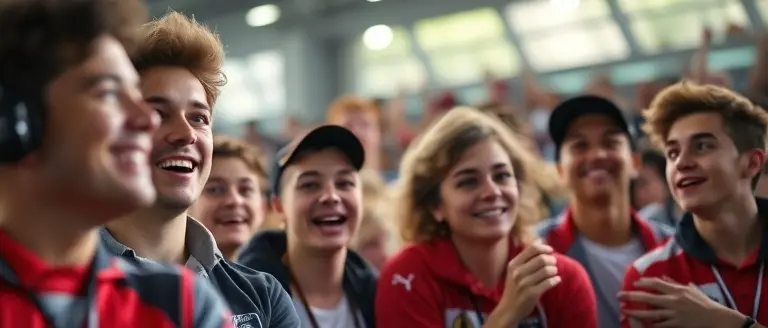
The meteoric rise of Cleetus McFarland within professional motorsports represents a seismic shift in how sports organizations engage with digital-native audiences. By leveraging his massive YouTube presence—boasting over 4.7 million subscribers—McFarland has effectively dismantled the traditional barriers to entry for professional racing. His transition from an automotive content creator to a legitimate competitor in the NASCAR O’Reilly Auto Parts Series signifies more than just a hobbyist’s dream; it is a calculated disruption of the sport’s demographic landscape. Industry analysts observe that McFarland captures a younger, tech-savvy audience that previously viewed traditional oval racing as inaccessible, effectively bridging the gap between niche mechanical enthusiasm and mainstream professional sports entertainment.
Bridging the Gap Between Hobbyists and Pros
McFarland’s strategy relies heavily on an “everyman” persona that feels authentic, contrasting sharply with the curated image of corporate-backed athletes. This approach is instrumental in broadening NASCAR’s reach:
- Digital-First Marketing: By documenting the behind-the-scenes reality of his partnership with Richard Childress Racing (RCR), he converts casual viewers into high-engagement fans who are now invested in NASCAR race weekends.
- Corporate Value Proposition: Brands like Polaris are increasingly betting on McFarland because his content serves as a high-traffic funnel that traditional commercials cannot replicate.
- Cultural Integration: His recent antics at the Talladega Superspeedway—such as performing push-ups to celebrate Jesse Love’s pole position—create viral, meme-worthy moments that dominate social media feeds, ensuring NASCAR remains culturally relevant to a demographic that spends more time on YouTube than watching cable television.
Ultimately, the ‘Cleetus Effect’ is a business model transformation. NASCAR is betting on McFarland not merely for his driving ability, but for his capacity to mobilize an army of digital supporters, ensuring that the sport continues to evolve as an influencer-driven, multi-platform entertainment juggernaut.
Build Your Own Racing Legacy Today
The rise of Cleetus McFarland represents more than just a crossover into professional racing; it represents the ultimate victory of the ‘maker’ mentality. Whether he is building a drift-ready car or preparing for a NASCAR start, his success is rooted in a deep, hands-on commitment to mechanical excellence and the rigorous execution of complex engineering projects. The gap between a weekend hobbyist and a professional-grade builder is smaller than you think—it is simply a matter of having the right technical roadmap to guide your vision from the garage floor to the finish line.
Just as Cleetus uses professional engineering to bridge the gap between amateur builds and high-performance racing, you can elevate your own garage projects with the right technical blueprints. Stop relying on trial-and-error frustration that leaves your projects unfinished and your budget wasted. With Ted’s Woodworking, you gain instant access to over 16,000 precision-tested plans designed for every skill level, allowing you to emulate the same master-builder mentality that launched a racing career.
This is the essential toolset to ensure your craftsmanship meets professional standards, transforming your raw ideas into master-level outputs with absolute technical certainty. Don’t let another project stall in the planning phase—it’s time to build with the precision of a professional.
 Stop guessing on your next garage build—get the professional-grade blueprints that help you execute your vision with total technical certainty.Transform My Projects Today!