
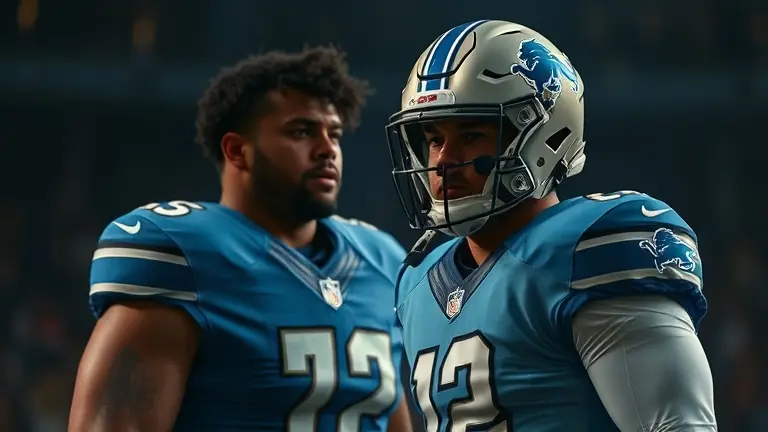
When the Detroit Lions selected Clemson offensive tackle Blake Miller with the 17th overall pick in the 2026 NFL Draft, the front office wasn’t just adding a rookie to the roster; they were initiating a structural renovation of their offensive front. General Manager Brad Holmes has long operated with a blueprint of calculated patience, and this move signals a decisive evolution. By bringing in Miller—a durable, 54-start ‘Iron Man’ from Clemson—the Lions are clearing the runway for Penei Sewell, the team’s cornerstone Pro Bowl right tackle, to shift to the blindside. This is more than a positional swap; it is a high-stakes strategic adjustment designed to maximize the longevity and protection of Jared Goff for years to come.
The ‘Sewell Shift’ represents a sophisticated pivot that requires perfect execution. Transitioning from the right side to the left demands a complete recalibration of footwork, leverage, and reaction times. However, the Lions are banking on the synergy between Sewell’s elite athleticism and Miller’s collegiate consistency to form a brick-wall barrier. As analysts dissect the long-term impact on line chemistry, it is clear that in the NFL, just as in any complex engineering endeavor, the success of the final structure is entirely dependent on the precision of the initial design.
The Strategic Logic Behind Selecting Blake Miller at 17th Overall
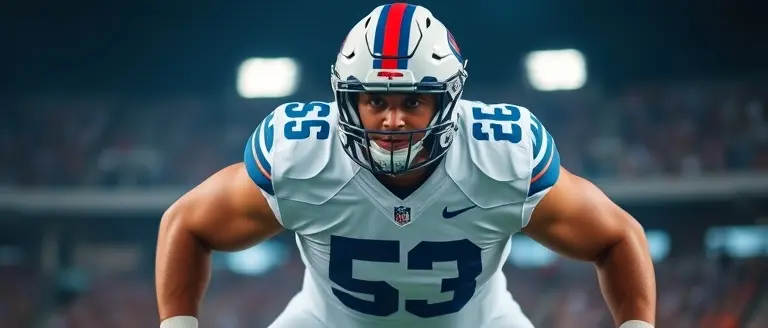
The Detroit Lions’ selection of Blake Miller with the 17th overall pick in the 2026 NFL Draft represents a calculated masterstroke by General Manager Brad Holmes. Rather than drafting for immediate situational depth, the front office utilized this premium selection to finalize a long-term tactical transformation of the offensive line. By securing a prospect of Miller’s caliber, the team has successfully cleared the path for Penei Sewell to shift to the left tackle position—a move the organization has been contemplating as the final piece of their championship-grade protection unit.
The Sewell Shift and the “Iron Man” Factor
Transitioning a franchise cornerstone like Penei Sewell from right tackle to left tackle is a significant undertaking that requires total confidence in the incoming rookie. The Lions’ front office believes Miller is the perfect candidate to anchor the right side, citing his unparalleled reliability as a primary reason for the pick. During his tenure at Clemson, Miller earned the “Iron Man” moniker by starting 54 consecutive games, displaying a level of durability and technical consistency that aligns perfectly with the culture built by Dan Campbell and Brad Holmes.
- Tactical Versatility: Miller’s extensive collegiate experience allows him to adapt rapidly to NFL pass-protection schemes, providing the stability needed for Sewell to navigate the learning curve of the left side.
- Culture Fit: Holmes described Miller as “everything we’re about,” emphasizing that the organization values high-floor, high-character athletes who prioritize team success over individual accolades.
- Line Chemistry: By drafting a polished technician rather than a developmental project, Detroit minimizes the disruption to their offensive rhythm, ensuring the transition on the edges is seamless rather than chaotic.
Ultimately, the addition of Miller is about maximizing the Lions’ elite offensive potential. By placing a seasoned collegiate veteran on the right, Detroit creates a balanced, mirror-image offensive line capable of neutralizing top-tier pass rushers, thereby setting the standard for offensive line play in the league for years to come.
Penei Sewell’s Transition: Moving to the Blind Side

The decision by the Detroit Lions to select Blake Miller with the 17th overall pick in the 2026 NFL Draft serves as the primary catalyst for a long-anticipated tactical shift: moving Penei Sewell to the left tackle position. For years, the Lions have operated with Sewell as a cornerstone on the right side, but the front office—led by GM Brad Holmes—has long viewed his transition to the “blind side” as the ultimate evolution of the team’s offensive line. By drafting Miller, an “Iron Man” prospect who logged 54 starts at Clemson, the organization has secured the stability necessary to finally make this move without sacrificing production on the opposite flank.
Tactical Implications of the Shift
Moving a franchise anchor like Penei Sewell is not a decision taken lightly. The transition requires a fundamental adjustment in footwork, hand placement, and pass-protection angles, as the mechanics required to mirror elite edge rushers from the left side differ significantly from the right. However, the presence of Blake Miller provides the Lions with a unique “plug-and-play” insurance policy. Miller’s extensive collegiate experience allows the coaching staff to rely on a rookie who understands the rigors of high-level competition, effectively bridging the gap while Sewell acclimates to his new responsibilities.
Why Now? The Strategic Rationale
Several factors necessitated this move at this specific juncture of the Lions’ championship window:
- Elite Protection: With the league’s increased focus on disruptive interior and edge pressure, securing the quarterback’s blind side with a player of Sewell’s physical caliber is a strategic imperative.
- Line Versatility: The Lions prioritize linemen who exhibit high “football IQ,” and the pairing of Miller’s reliability with Sewell’s athleticism creates a bookend tandem capable of neutralizing top-tier defensive fronts.
- Offseason Planning: This transition was not an impulsive draft-day pivot but the culmination of a multi-year roster construction strategy designed to maximize the longevity and security of the quarterback position.
By integrating Blake Miller into the right tackle role, the Detroit Lions are betting that this reshuffled front will provide the necessary protection to sustain their explosive offensive identity well into the future.
Evaluating the ‘Iron Man’: Why Blake Miller Was the Target

When General Manager Brad Holmes selected Blake Miller with the 17th overall pick in the 2026 NFL Draft, he wasn’t just filling a roster vacancy; he was doubling down on the “grit” culture that has become the hallmark of the Detroit Lions. Miller’s reputation as an “Iron Man” is backed by an extraordinary collegiate resume at Clemson, where he logged 54 consecutive starts. This level of durability is a rarity in modern college football, offering the Lions an immediate plug-and-play solution at right tackle that minimizes the risks typically associated with rookie transitions. By prioritizing a player with such extensive experience, the Lions have secured a cornerstone piece that embodies the physical and mental stamina required to compete in the NFC North.
Technical Proficiency and SEC Proven Performance
Miller’s tape against top-tier pass rushers in the ACC and during high-stakes bowl appearances demonstrates a refined technical foundation. His consistency is rooted in his balance, hand placement, and innate ability to neutralize speed-to-power moves—a trait that directly translates to the demands of the professional level. His profile includes:
- Elite Durability: A 54-game streak that indicates high-level conditioning and physical resilience.
- Tactical Versatility: Expert-level mastery of both man-blocking and zone-scheme responsibilities.
- High-Pressure Reliability: Consistent performance against elite edge talent, minimizing QB pressure rates in critical situational downs.
Beyond the metrics, the front office views Miller as the catalyst for the Sewell Shift. By acquiring a tackle with such high football IQ and technical reliability, the Lions gain the positional flexibility to move Penei Sewell to the left side without sacrificing production on the right. For the Lions’ coaching staff, Miller represents more than just a draft pick; he is a testament to the team’s commitment to building a formidable, long-term foundation that prioritizes character, availability, and pure athletic ceiling.
The Holmes Effect: Long-Term Roster Construction
The selection of Blake Miller in the 2026 NFL Draft serves as a masterclass in the long-term roster construction philosophy championed by general manager Brad Holmes. By prioritizing the trenches with high-pedigree, durable prospects, the Detroit Lions are intentionally avoiding the pitfalls of “win-now” salary cap spikes. Instead, they are building a sustainable contender where internal development remains the cornerstone of the organization. Miller, known for his “Iron Man” status during his time at Clemson, provides the type of cost-controlled production that is essential for maintaining a championship-caliber core while managing the inevitable financial demands of a star-studded roster.
Strategic Advantages of the Miller-Sewell Alignment
The decision to draft Miller at pick No. 17 is not merely a plug-and-play solution; it is a calculated tactical move that enables the transition of Penei Sewell to left tackle. From a financial perspective, this allows the Lions to maximize the value of their offensive line room by balancing rookie-scale contracts with veteran extensions. Key benefits of this long-term strategy include:
- Financial Sustainability: By drafting an immediate starter like Miller, the Lions secure high-level protection for their quarterback on a structured four-year rookie deal, allowing for greater flexibility when negotiating extensions for other cornerstone players.
- Positional Versatility: The move allows the team to be more selective in free agency, as they are no longer forced to overpay for veteran tackles on the open market.
- Continuity and Chemistry: By investing in homegrown talent, the organization avoids the volatility of constant roster turnover, ensuring that the Lions offensive line operates with the cohesion that only comes from years of experience together.
Ultimately, the Holmes approach emphasizes that true competitive longevity is earned in the trenches. By blending the veteran presence of Penei Sewell with the technical foundation and reliability of a prospect like Blake Miller, the Detroit front office has created a blueprint that minimizes risk and maximizes the window for sustained success in the NFL.
Building a Legacy of Precision
The acquisition of Blake Miller serves as the final piece of Brad Holmes’ master plan to solidify the Detroit Lions’ front. By pairing Miller’s reliability at right tackle with the elite, newly transitioned blindside protection of Penei Sewell, Detroit is betting that technical accuracy and proven systems will outperform raw, untested talent. It is a reminder that in football—and in any project requiring structural integrity—the difference between mediocrity and championship-caliber results lies in the quality of your planning.
Just as the Lions’ front office relies on meticulous schematics to reconfigure their offensive line, successful execution in complex personal projects requires moving beyond guesswork to rely on time-tested, professional-grade blueprints. Whether you are building a legacy on the gridiron or constructing high-end furniture, results require the right plans. If you value the ‘do-it-right-the-first-time’ mentality that drives winning organizations, professional-grade planning is your most valuable asset.
We recommend a resource that mirrors the exactness of an NFL front office. Eliminate trial-and-error and ensure every detail of your work is completed with total technical certainty. It is time to apply the same strategic, detail-oriented approach to your own projects that Brad Holmes brings to the Lions’ roster.
 Build your own vision with the same precision the Lions are using to secure their future—explore the professional plans that turn complex ideas into flawless execution.Access My Professional Blueprints Now!