
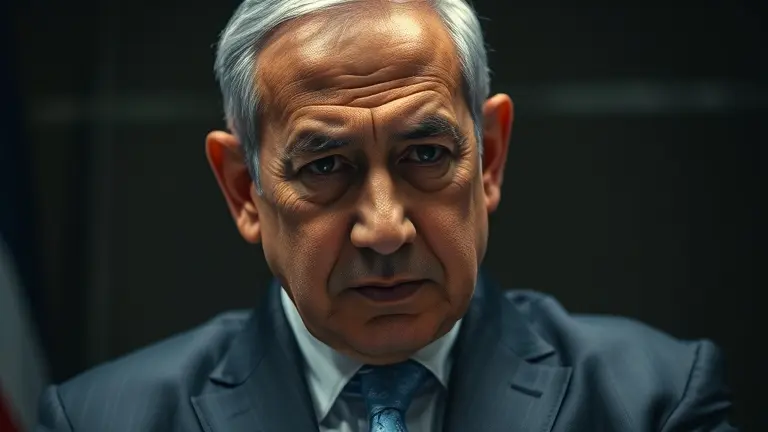
On April 24, 2026, Prime Minister Benjamin Netanyahu stunned the public by revealing he had recently undergone successful treatment for an early-stage malignant prostate tumor. This disclosure, which followed a routine check-up after previous surgery in late 2024, was deliberately withheld for two months. Netanyahu cited national security as the primary catalyst, fearing that adversaries, specifically Iran, would weaponize his medical status to sow instability during a volatile regional conflict. This decision has reignited a fierce global debate regarding the democratic mandate of transparency versus the tactical necessities of a leader operating in the throes of war.
The timing of this announcement—coinciding with a critical three-week ceasefire extension between Israel and Lebanon—raises complex questions about political optics. As the world watches these high-stakes geopolitical maneuvers, the intersection of leader health and national accountability becomes impossible to ignore. Yet, beyond the headlines and the maneuvering of statecraft, the Prime Minister’s health news serves as a stark, universal reminder of the importance of proactive medical vigilance for men in every stage of life.
Netanyahu’s Health Disclosure: A Summary of Recent Developments
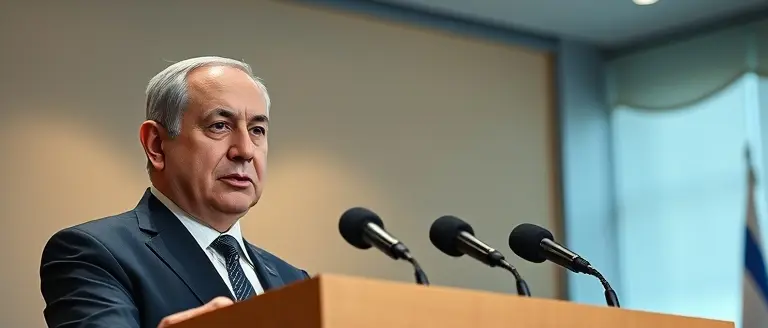
On April 24, 2026, Benjamin Netanyahu publicly disclosed that he had been diagnosed with and successfully treated for an early-stage malignant prostate tumor. This revelation came to light following a routine medical follow-up, which was necessitated by a prior surgical procedure conducted in December 2024. While the medical update has dominated headlines, the Prime Minister emphasized that his health status remained stable throughout the intervening period, allowing him to maintain his duties as the head of the Israeli government.
The timing of this disclosure was a deliberate strategic choice by the Prime Minister’s office. Netanyahu confirmed that he had intentionally withheld information regarding the diagnosis for two months to manage national security risks. His primary concern was preventing Iran and other regional adversaries from weaponizing his medical condition for propaganda purposes. In the context of the highly volatile regional conflict, the Israeli government feared that any perceived vulnerability in leadership might be exploited to undermine domestic stability or influence the strategic calculations of opposing forces during a period of intense military and diplomatic pressure.
Key Factors in the Strategic Disclosure
The decision to reveal the diagnosis at this specific juncture aligns with broader developments in Israeli foreign policy, most notably the recent three-week extension of a ceasefire between Israel and Lebanon. The following points summarize the context of this disclosure:
- Security Justification: The PM’s office prioritized the “avoidance of propaganda” to ensure that Iran could not leverage the news during the height of regional tensions.
- Medical Timeline: The diagnosis followed a routine check-up post-December 2024 surgery, confirming that the medical issue was being managed by specialized oncological and surgical teams.
- Geopolitical Stability: The disclosure occurred simultaneously with a U.S.-brokered ceasefire extension, potentially signaling a transition toward a period where internal political transparency is viewed as less likely to be exploited by external actors.
By framing the delay as a security necessity rather than a breach of public trust, Netanyahu has ignited a broader national debate regarding the threshold for health transparency when a leader is tasked with navigating a multi-front regional crisis.
Transparency Versus National Security in Wartime

The recent disclosure by Benjamin Netanyahu regarding his treatment for a malignant prostate tumor highlights the inherent tension between a democratic leader’s right to medical privacy and the public’s mandate for transparency. By delaying the announcement for two months, the Prime Minister prioritized strategic posture over immediate disclosure, citing the necessity of preventing adversaries—specifically Iran—from weaponizing his health status during a period of high-stakes regional conflict. This decision brings the debate over “war-time secrecy” to the forefront of Israeli political discourse, questioning whether the office of the Prime Minister necessitates total medical transparency or if such information serves as a geopolitical liability.
Historically, world leaders have frequently shielded medical realities to maintain perceived stability. From Woodrow Wilson’s stroke-related isolation to the clandestine illnesses of Cold War leaders, the justification remains consistent: preventing perceived weakness from emboldening enemies. However, in the modern era of instant information and intense domestic scrutiny, the withholding of health updates complicates the social contract. Critics argue that when a leader is at the center of critical negotiations—such as the recent three-week extension of the Israel-Lebanon ceasefire—the electorate requires confirmation of the leader’s fitness to govern.
Ethical Dimensions of Medical Secrecy
The strategic management of health information involves complex ethical considerations:
- Risk of Exploitation: As Netanyahu suggested, disclosing health challenges during active military operations could be interpreted by regional adversaries as a window of leadership instability, potentially inviting escalation.
- Democratic Accountability: Voters rely on accurate assessments of their leaders’ health to evaluate long-term governance capacity. Prolonged silence can erode institutional trust.
- The ‘Clearing the Deck’ Phenomenon: There is speculation that the timing of this disclosure, occurring concurrently with diplomatic progress in the north, reflects a desire to normalize the leadership narrative before engaging in the next phase of the regional security framework.
Ultimately, the case of Netanyahu underscores that in a volatile security environment, the line between protecting national security and managing public perception is increasingly blurred. Whether this level of secrecy is viewed as prudent statecraft or a failure of accountability often depends on the success of the underlying diplomatic outcomes, such as the stability of the current ceasefire.
The Geopolitical Intersection: Health News and Lebanon Ceasefire Negotiations

The timing of Benjamin Netanyahu’s public disclosure regarding his malignant prostate tumor treatment—revealed on April 24, 2026—coincided with the critical announcement of a three-week extension to the ceasefire between Israel and Lebanon. This convergence has fueled intense speculation regarding the strategic management of information during periods of high-stakes international diplomacy. By intentionally withholding his health status for two months, the Prime Minister aimed to prevent adversaries, particularly Iran, from weaponizing his medical condition during the height of regional volatility. Analysts suggest that the disclosure was strategically released only after a period of relative diplomatic stabilization, signaling to both domestic and international observers that the government remains fully operational and focused on regional security.
The role of the U.S. administration in brokering the Lebanon ceasefire appears to be a defining factor in this timeline. As negotiations in the Oval Office reached a breakthrough, the pressure on the Israeli cabinet shifted toward maintaining political continuity. The correlation between these events points to a “clearing the deck” strategy, where the PM sought to address personal health matters during a window of reduced military engagement. Key considerations surrounding this disclosure include:
- Strategic Secrecy: The government viewed medical transparency as a potential vulnerability that could be exploited by external actors to suggest leadership instability.
- Diplomatic Continuity: By confirming his health status only after the ceasefire extension was formalized, Netanyahu ensured that the media cycle could balance his personal recovery with the broader success of the U.S.-backed regional de-escalation efforts.
- Public Accountability: Critics argue that the delay underscores the tension between national security imperatives and the public’s right to be informed about the medical fitness of a sitting head of state.
Ultimately, the link between the Netanyahu health update and the Lebanon ceasefire reflects a calculated approach to war-time leadership. By linking the announcement to a moment of successful diplomatic intervention, the administration attempted to frame the disclosure as a routine update from a leader who has navigated both a health challenge and a complex geopolitical standoff simultaneously.
Impact on Israel’s Stability and Leadership Dynamics

The disclosure that Benjamin Netanyahu underwent successful treatment for a malignant prostate tumor has introduced a complex layer of uncertainty into Israel’s already fragile political landscape. By opting for a two-month delay in publicizing his health status, the Prime Minister prioritized the maintenance of a strong, unchallenged image of leadership to deter adversaries like Iran. However, this decision has sparked an intense domestic debate regarding democratic accountability and the limits of executive secrecy during high-stakes national crises. Internally, the revelation forces the Israeli cabinet to reconcile the reality of its leader’s recovery with the aggressive demands of managing the ongoing regional conflict and the fragile three-week extension of the ceasefire in Lebanon.
Strategic Implications for Governance and Security
The timing of the health update, coinciding with critical diplomatic progress, suggests an attempt by the administration to project stability during a period of transition. From a leadership perspective, the primary concern remains how this narrative affects Israel’s posture against external threats. Key factors include:
- Projection of Strength: Netanyahu’s deliberate timing aims to prevent adversaries from perceiving a “power vacuum” or vulnerability, ensuring that Iranian-backed actors do not miscalculate during his recovery phase.
- Cabinet Cohesion: The hidden nature of the diagnosis until April 2026 places pressure on internal political alliances, as cabinet members navigate the balance between supporting the leader and addressing public expectations for transparency.
- Conflict Management: With the Lebanon-Israel ceasefire under active negotiation and diplomatic monitoring by the U.S., the government must demonstrate that internal health matters do not detract from its capacity to uphold, or enforce, security agreements.
Ultimately, the stability of the Netanyahu government depends on whether the public perceives this period of silence as a necessary security precaution or an erosion of transparency. As the ceasefire extension proceeds, the administration’s ability to maintain a unified front—both in its communication and its strategic operations—will be the defining metric of its resilience in the face of these dual challenges.
Prioritizing Your Health in an Uncertain World
The discourse surrounding Netanyahu’s health highlights a fundamental truth: while the public debates the accountability of national leaders, the most significant health battle often happens quietly at the individual level. Whether you are a public figure or a private citizen, the reality of prostate health remains a universal concern that requires consistent, proactive management. Waiting until a diagnosis is unavoidable is a gamble that no one should take with their long-term well-being.
While policy and geopolitics may be outside of your control, your personal vitality is not. Just as modern awareness demands that we stay informed about the world around us, it also demands that we take the lead in our own health maintenance. This is where forward-thinking wellness solutions become an essential part of an active lifestyle. By integrating supportive habits today, you can ensure that your body remains resilient and functioning at its peak, regardless of the pressures life throws your way.
Protoflow offers a targeted approach to supporting prostate function and urinary comfort, utilizing high-quality, natural botanical ingredients designed for men who refuse to compromise on their longevity. It is the natural next step for anyone who understands that peak performance requires consistent, proactive care. Don’t wait for a wake-up call to prioritize your body—take the lead today and secure the comfort and vitality you deserve.
 Take control of your long-term health and ensure your vitality remains consistent; explore how Protoflow supports optimal prostate function.Transform My Prostate Health Today!