

The landscape of live entertainment has shifted irrevocably. Following the landmark 2026 federal ruling that labeled Live Nation and Ticketmaster an illegal monopoly, millions of concert-goers are left asking the same question: Will this actually mean lower prices for me? The courtroom victory in Manhattan, combined with reactive measures like the mass cancellation of scalped tickets for the Harry Styles residency, has created a whirlwind of media noise. However, beneath the headlines, the day-to-day reality of purchasing a ticket remains a minefield of hidden fees, opaque resale practices, and systemic frustration that feels designed to erode your purchasing power.
It is time to move beyond the breaking news and focus on what truly matters: protecting your wallet. While legislative efforts in states like California aim to provide a counterbalance to federal stalemates, the path toward a transparent ticketing market is long and complex. To navigate this new, uncertain era of entertainment, you must become a more informed consumer, distinguishing between symbolic PR gestures and the systemic changes that will actually impact your bottom line. Understanding this shift is the first step toward reclaiming control over how you spend your hard-earned money.
The 2026 Antitrust Verdict: A Turning Point for Live Nation and Ticketmaster
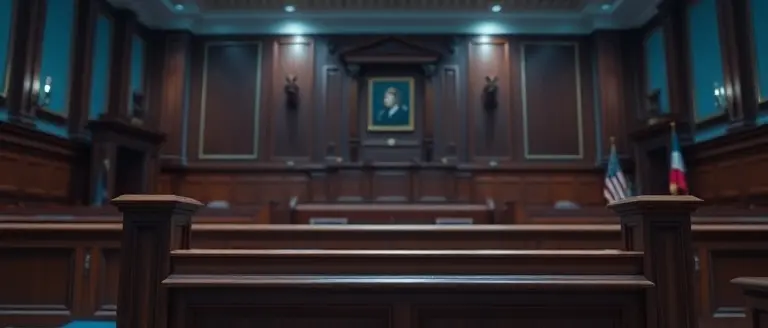
In April 2026, the landscape of live entertainment shifted dramatically when a federal jury in Manhattan delivered a landmark verdict, ruling that Live Nation and its subsidiary, Ticketmaster, operated as an illegal monopoly. This federal antitrust decision concluded that the company utilized its dominant market position to stifle competition, control venue pricing, and lock out independent ticketing rivals. Unlike previous regulatory wrist-slaps, this ruling addresses the structural integrity of the ticketing ecosystem. Legal experts view this as a pivotal moment, as it forces a re-examination of the vertical integration that has defined the concert industry for over a decade.
It is essential to distinguish this federal structural mandate from localized corporate maneuvers. While the court decision targets the systemic roots of the Ticketmaster monopoly, recent PR-heavy initiatives—such as the re-allocation of thousands of “illegally obtained” tickets for Harry Styles’ Madison Square Garden residency—serve as immediate, reactive fixes. These localized programs act as a bridge to manage consumer sentiment, but they do not solve the underlying antitrust concerns identified by the court.
Why This Ruling Represents a Structural Shift
- Monopoly Control: The verdict challenges the ability of a single entity to control both the promotion of artists and the distribution of tickets.
- Competitive Barriers: The ruling aims to dismantle the barriers that have historically prevented smaller, independent ticketing platforms from entering the marketplace.
- Long-Term Accountability: Rather than a one-time fine, this federal decision establishes a legal precedent that may necessitate significant changes in how ticket master operations interact with venue contracts.
While fans are currently seeing “direct consumer impact” through re-released tickets at face value, these are isolated incidents of damage control. The broader federal ruling is designed to alter the core economics of the industry, potentially paving the way for lower service fees and a more transparent secondary market in the long term. For the average concert-goer, the transition from the current market state to a more competitive, fair pricing model will be a slow process, contingent upon how effectively the court enforces its structural mandates against the Live Nation conglomerate.
Case Study: Harry Styles and the Battle Against Scalped Tickets
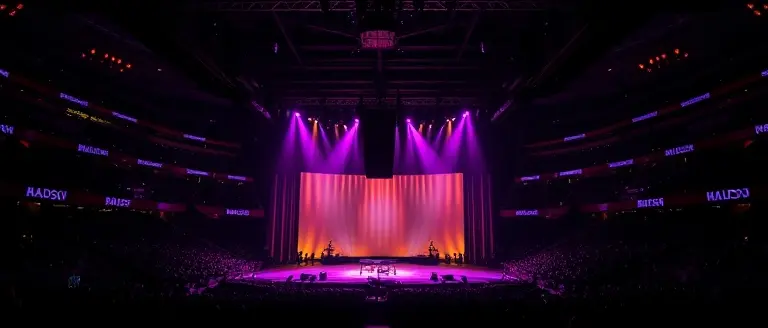
In the immediate wake of the landmark April 2026 federal antitrust verdict, the industry has closely watched how Ticketmaster manages high-demand inventory. The Harry Styles residency at Madison Square Garden serves as the primary testing ground for these new operational shifts. Following allegations of bot-driven market manipulation, Ticketmaster implemented a corrective program to cancel thousands of tickets identified as “illegally obtained.” These seats were subsequently funneled back into the primary market, allowing fans to purchase tickets at established face-value prices rather than inflated resale rates. This move represents a pivot toward tighter inventory control, likely designed to demonstrate compliance and responsiveness following the legal ruling against the Live Nation monopoly.
While this initiative provides immediate relief for fans, experts remain divided on whether this reflects a permanent change in corporate policy or a calculated PR maneuver. To evaluate the impact of this “direct consumer” approach, it is essential to consider the mechanisms at play:
- Verified Inventory Controls: By aggressively scrubbing secondary market listings for non-compliant bulk purchases, the platform can artificially lower the barrier to entry for genuine fans.
- PR vs. Policy: Evidence suggests that this aggressive re-allocation is a reactive measure to mitigate negative public sentiment surrounding the monopoly verdict, rather than an overhaul of the underlying software architecture that historically permits scalping.
- Future Implications: The Harry Styles case signals a potential shift where ticket master operators may increase “closed-loop” sales to prevent tickets from ever hitting third-party platforms, further centralizing control despite the recent antitrust loss.
Ultimately, while the return of face-value tickets to the general public is a win for the average concert-goer, it does not address the systemic fee structures that continue to frustrate consumers. Legislative efforts in states like California are currently running in parallel with these company-led actions, seeking to impose structural caps on resale markups. Consumers should view these temporary re-releases as tactical concessions rather than a total resolution of the marketplace imbalances identified by the federal courts.
Legislative Landscape: Federal Antitrust vs. California State Reform

Understanding the current ticketing crisis requires distinguishing between the sweeping federal antitrust verdict delivered in April 2026 and ongoing state-level legislative efforts. While the federal ruling identified Ticketmaster and Live Nation as an illegal monopoly, federal antitrust law is primarily designed to prevent anti-competitive behavior and restructure market dominance over the long term. This process often involves years of litigation, appeals, and government-mandated operational shifts. It is not an immediate “price-fix” for the average concert-goer, but rather a structural reset of the industry’s power dynamics.
In contrast, state-level initiatives—such as the recent legislative bills in California—aim to provide immediate, tangible relief through consumer protection. These bills focus on the mechanics of the resale market, specifically targeting transparency and affordability. While federal intervention addresses the “who” of the market (the monopoly structure), California’s proposed reforms address the “how” (the rules of engagement for resellers).
Key Differences in Approach
To navigate the post-monopoly era, it is essential to recognize how these two paths influence your ticket-buying experience:
- Federal Antitrust Action: Focuses on restoring market competition. This may eventually dismantle the bundled services that allow Ticketmaster to dominate both primary and secondary ticket markets, but it provides little relief for the current high-fee environment.
- State-Level Reform (California Model): Targets specific consumer pain points. Legislative proposals in California focus on mandating all-in pricing transparency, banning predatory resale practices, and capping the markup percentages on tickets sold on the secondary market.
- Complementary Goals: While separate, these efforts are increasingly intertwined. The legal pressure from the federal verdict has emboldened state lawmakers to push for stricter transparency requirements, forcing platforms to justify their fee structures more clearly to the public.
Ultimately, fans should view the federal court ruling as the “long-game” for industry health, while looking to state legislation for the immediate, practical safeguards that protect their wallets at checkout. As these developments unfold throughout 2026, the combination of federal oversight and localized fee caps represents the most significant push toward a fair ticket master ecosystem in decades.
Ticket-Buying Survival Guide: Protecting Your Wallet in 2026

Navigating the post-monopoly landscape of the ticketing industry requires a proactive approach to ensure you aren’t overpaying for your favorite live events. Following the landmark federal verdict against Ticketmaster and Live Nation, the market is currently in a state of flux. While systemic change is underway, consumers must remain vigilant. High-profile initiatives, such as the reallocation of Harry Styles’ MSG residency tickets, demonstrate that direct pressure can force companies to release inventory at face value. To safeguard your finances, treat every purchase as an exercise in market research rather than a reflexive transaction.
Actionable Strategies for Consumers
To protect your wallet in this shifting regulatory environment, incorporate these tactics into your ticketing strategy:
- Prioritize Verified Resale Programs: Always check for official “Fan-to-Fan” resale portals first. These platforms typically cap markups, preventing the predatory pricing seen on unauthorized third-party sites.
- Monitor Inventory Re-releases: As seen in recent high-profile disputes, ticket master often cancels large batches of “illegally obtained” scalped tickets. Watch artist newsletters and official venue social media channels for sudden, unannounced drops of face-value inventory.
- Leverage New Consumer Protections: Familiarize yourself with state-specific legislation, such as ongoing California resale market bills. If you encounter hidden fees that violate new transparency laws, document the total price at checkout and file a complaint through your state’s Attorney General office.
- Time Your Purchases: Data suggests that waiting until the final 48–72 hours before an event can lead to price drops, as scalpers liquidate remaining inventory. Avoid “FOMO” purchasing during initial presales unless you are utilizing verified primary markets.
By maintaining awareness of the distinction between federal antitrust rulings and local consumer protection mandates, you can better navigate the secondary market. Always verify the seller’s credibility and document all transaction details to dispute any questionable service fees. As the regulatory landscape continues to evolve, your role as an informed consumer is the most powerful tool for systemic change.
Take Control of Your Outcomes
The core lesson from the recent Ticketmaster antitrust developments is that when you rely on broken, opaque systems, you inevitably pay the price in time, money, and frustration. Whether you are battling a monopolistic ticketing giant or starting a DIY home improvement project, you deserve clarity and technical certainty. You shouldn’t have to guess if you are being cheated, nor should you settle for incomplete blueprints that turn your passion projects into a costly cycle of trial-and-error.
Just as we demand transparency and professional-grade reliability from our entertainment platforms, you should apply that same ‘get it right the first time’ logic to the projects that matter most in your home. Why accept the amateur frustration of incomplete plans when you can access the gold standard of precision? Our recommended solution provides the total technical certainty you need to ensure that your next build is a masterpiece of efficiency, not a struggle with guesswork.
By leveraging professional-grade resources, you eliminate the typical wasted time and financial loss associated with low-quality, incomplete information. It is time to stop settling for less and start being the architect of your own success. Secure your path to professional results today by accessing a library of over 16,000 tested, reliable plans designed to turn any project into a guaranteed win.
 Stop settling for guesswork; access the 16,000+ tested plans that guarantee your next project is a success, not a struggle.Yes, I Want This Now!