
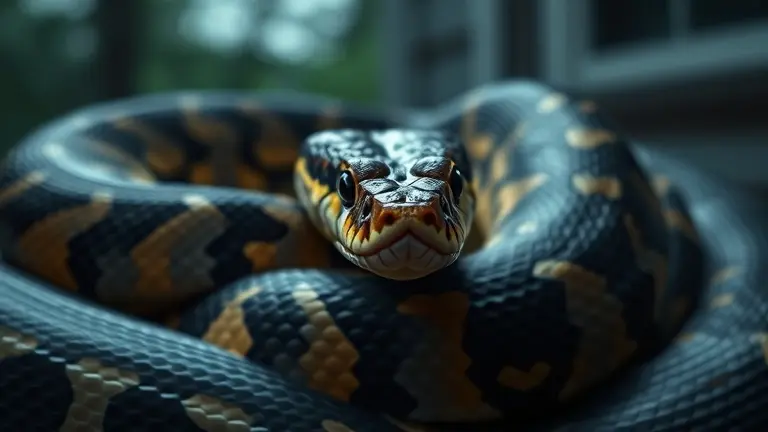
As the spring heat rises across Florida, a silent and persistent transformation is unfolding in our suburban backyards. For years, the narrative surrounding the invasive Burmese python was confined to the deep reaches of the Everglades, but the script is shifting in 2026. Scientific observations confirm that these apex predators are not only surviving but thriving in slightly cooler climates, leading to a notable northward migration into counties like Brevard. For homeowners in these newly affected areas, the warmer months bring a new reality: the need to shift from alarmist headlines to practical, grounded preparation.
This isn’t just about environmental concern; it’s about securing your perimeter. As these pythons adapt to new territories, they are increasingly drawn to the resources found in our residential developments. Residents are left wondering: how do we coexist safely, and more importantly, how do we keep our properties from becoming part of their expanding range? By separating myth from reality and understanding the specific burrowing and movement patterns of these snakes, we can transition from fear to a position of strength, utilizing proven home fortification strategies to protect our families and outdoor spaces.
The Northward Migration: Why Burmese Pythons Are Moving Beyond the Everglades
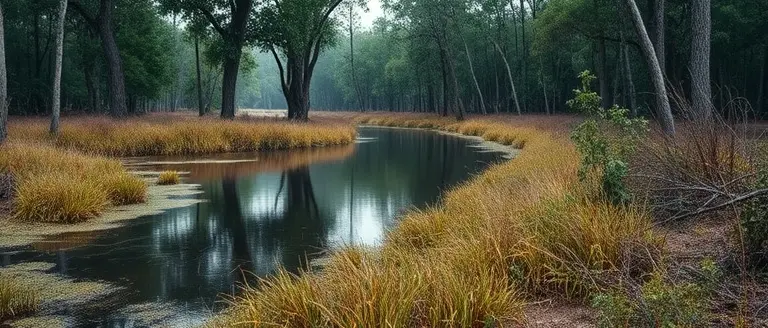
As of April 2026, the geographic range of Burmese pythons in Florida has become a focal point for environmental scientists and local residents alike. Historically confined to the sub-tropical warmth of the Everglades, these invasive predators are increasingly documented in more northern regions, including Brevard County. This shift is largely attributed to recent climate trends; as spring temperatures arrive earlier and with greater intensity, these snakes emerge from their winter dormancy sooner, extending their active hunting and breeding windows significantly.
The Science of Cold Adaptation and Burrowing
The most concerning development in this northward expansion is the species’ demonstrated ability to withstand colder, temperate conditions that were previously considered uninhabitable. Scientific evidence indicates that these pythons have begun to exhibit sophisticated thermoregulation behaviors, specifically the utilization of deep mammal burrows and subterranean cavities. By retreating into these insulation-rich environments during cold snaps, the snakes are effectively shielded from freezing air temperatures.
Key factors driving this range expansion include:
- Thermal Refugia: Increased use of abandoned gopher tortoise and armadillo burrows allows the pythons to maintain a stable core body temperature in northern climates.
- Habitat Generalization: The transition from aquatic wetland environments to drier, suburban habitats has allowed them to colonize areas with diverse prey populations.
- Climate Resilience: Evidence suggests that successive generations are developing a greater physiological tolerance for fluctuating temperatures, facilitating a successful move into Central Florida.
This migration represents a critical shift in the state’s environmental landscape. While once viewed as a localized issue for Southern Florida, the current data underscores a broader challenge for northern ecosystems. Experts caution that this adaptation is not merely a transient movement but a permanent expansion, necessitating a proactive, localized approach to monitoring and reporting snake activity in emerging zones.
Understanding the Ecological Impact on Central Florida Ecosystems
The introduction of the Burmese python in Florida as an apex predator represents a profound shift in the stability of local food webs. Unlike the expansive, saturated environment of the Everglades, Central Florida ecosystems—characterized by a mosaic of scrub, pine flatwoods, and suburban transition zones—are uniquely vulnerable to this invasion. As these snakes migrate northward, they fundamentally disrupt the predator-prey balance, leading to a catastrophic decline in native mammal populations. Research indicates that smaller species, including marsh hares, eastern cottontails, and even ground-nesting birds, are facing unprecedented predation pressure that the local ecosystem is not adapted to mitigate.
Cascading Biodiversity Loss
The removal of mid-sized mammals triggers a “trophic cascade,” where the loss of primary consumers alters the vegetation structure and threatens the habitats of other native species. Key ecological concerns include:
- Disruption of Seed Dispersal: Many small mammals play a critical role in spreading native plant seeds; their disappearance threatens long-term forest health.
- Predatory Imbalance: With fewer small mammals available, the competition between native predators—such as bobcats and birds of prey—and pythons intensifies, potentially forcing native species to forage in riskier, suburban environments.
- Adaptation and Burrowing: Evidence suggests that these snakes are utilizing subterranean burrows in more temperate regions, allowing them to evade cold snaps that previously served as a natural geographic barrier.
Central Florida counties are particularly susceptible because their fragmented habitats offer “refugia” where pythons can hide effectively while capitalizing on high-density suburban prey populations. Unlike established Everglades populations, these new arrivals in regions like Brevard County are colonizing areas with less monitoring, making early detection and local environmental management significantly more complex. Understanding these ecological shifts is essential for residents as they adapt to the reality of coexisting with an invasive species that is rapidly expanding its range through behavioral evolution.
Practical Safety: What to Do If You Encounter a Snake in Your County
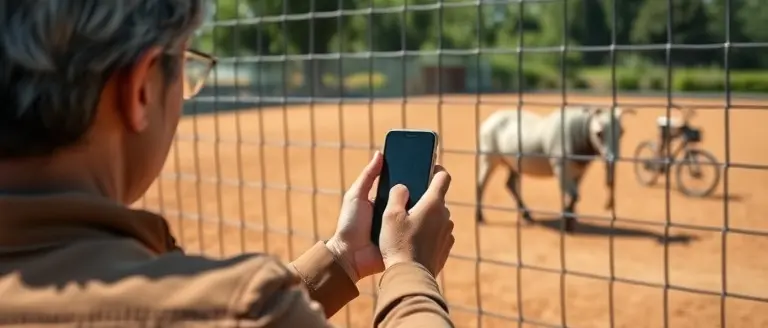
As Burmese pythons in Florida expand their range into central and northern counties, residents must shift from passive observers to informed stewards of their own safety. If you encounter what you suspect is an invasive python, the most critical rule is to maintain a safe distance. While these predators are generally non-venomous, they are powerful constrictors that can strike defensively when threatened or cornered. Never attempt to capture, harass, or kill the animal yourself. DIY interventions often lead to accidental bites or the illegal injury of protected native snake species that may be misidentified by untrained individuals.
Essential Steps for Residents
If you spot an unfamiliar snake on your property, follow these verified protocols to ensure your safety and assist environmental authorities:
- Maintain Distance: Keep at least 6 to 10 feet between yourself and the animal. Do not provoke it, as this may cause the snake to retreat into dense cover, making it harder for professionals to locate.
- Document the Sighting: If you can do so safely, take a clear photo or video from a distance. Note specific landmarks or GPS coordinates of the location.
- Report Promptly: Contact the FWC Exotic Species Hotline at 888-Ive-Got1 (888-483-4681) or use the “IveGot1” mobile app. Rapid reporting is the primary tool used by biologists to track the northward expansion and remove invasive specimens from the landscape.
- Secure Your Perimeter: To discourage snakes from utilizing your yard, clear away brush, wood piles, and debris. These areas provide the perfect shelter for reptiles and the small mammals they hunt.
Professional intervention remains the gold standard for public safety. Because these snakes are increasingly utilizing subterranean burrows to survive cooler nights in northern Florida, they may appear unexpectedly in suburban gardens or near drainage pipes. By prioritizing professional removal over personal confrontation, you protect yourself while supporting the broader effort to mitigate the ecological impact of this invasive species.
The Role of Citizen Science in Controlling Range Expansion

As Burmese pythons in Florida continue to push into northern territories, the sheer scale of the state’s landscape makes it impossible for wildlife biologists to monitor every mile. This is where local residents serve as the most vital resource in tracking range expansion. By acting as the “eyes and ears” of the Florida Fish and Wildlife Conservation Commission (FWC), community members turn environmental anxiety into a proactive, non-fear-based strategy for managing invasive species. The data you provide—specifically precise GPS coordinates and photographic evidence—is essential for experts to map the true extent of these snakes’ northern migration and their innovative use of deep-burrowing behaviors.
How to Become a Proactive Steward
Modern technology makes reporting sightings faster and more accurate than ever before. Rather than reacting with alarm, residents in counties like Brevard are encouraged to contribute to the state’s comprehensive database. Engaging in citizen science helps researchers determine whether a sighting is an isolated event or part of a broader, established pattern of colonization.
To participate effectively, residents should utilize the following best practices:
- Utilize Official Reporting Tools: Download and use the IveGot1 mobile app, the primary platform for reporting invasive species sightings directly to state experts.
- Prioritize Accurate Documentation: If it is safe to do so, capture high-quality photos that include reference objects for scale, and record the exact location using smartphone GPS tools.
- Keep Your Distance: Never attempt to capture or handle a wild python. Maintaining a safe distance protects you while ensuring the animal remains undisturbed until professionals can arrive.
- Report All Unusual Wildlife: Even if you are unsure if the snake is a Burmese python, reporting unidentified large reptiles helps biologists filter data and monitor biodiversity loss in suburban ecosystems.
By shifting the narrative from fear to informed participation, citizens contribute to a more nuanced understanding of how these predators adapt to colder climates. This crowdsourced data is the backbone of future management strategies, providing the evidence needed to allocate resources effectively and protect local wildlife from further encroachment.
Fortify Your Sanctuary: Proactive Defense for Florida Homes
As Burmese pythons continue their silent, northward migration into counties like Brevard, the era of passive observation is coming to an end. Understanding their behavior is a vital first step, but environmental adaptation means these predators are increasingly exploring residential landscapes. Taking control of your environment is no longer just a luxury; it is a necessary evolution in home security for modern Florida living. While vigilance remains your first line of defense, reinforcing your outdoor living spaces with custom, secure barriers is the most effective way to keep your property from becoming a target for wandering pythons.
This is where precision and professional guidance turn uncertainty into peace of mind. Instead of relying on guesswork or subpar DIY methods, you need the technical certainty provided by Ted’s Woodworking. These professional-grade blueprints empower you to construct heavy-duty, snake-proof fencing and secure custom enclosures designed to withstand the realities of our changing ecosystem. By implementing these expert-backed designs, you aren’t just building a barrier; you are creating an impenetrable fortress that protects your family, pets, and your hard-earned tranquility from the encroaching wildlife.
Don’t wait for a close encounter to realize the importance of a secured perimeter. Take proactive, physical action today to transform your yard into a safe zone. Access the tools required to master your own home security project and ensure your property remains a sanctuary.
 Download these professional woodworking plans today to start building your own secure, snake-resistant yard barriers and protect your family’s outdoor peace of mind.Secure My Yard Now!