

The tennis world was left stunned on April 23, 2026, as 7th-seeded Elina Svitolina suffered a jarring second-round exit at the Mutua Madrid Open. Falling 3-6, 4-6 to Hungary’s Anna Bondár, Svitolina’s performance raised immediate questions about her tactical consistency and physical state. This disappointing result comes just days after her demanding semifinal run at the Porsche Tennis Grand Prix in Stuttgart, leaving fans and analysts to grapple with a single, pressing question: was this merely a bad day on the court, or is the ‘fatigue factor’ finally catching up with her?
While standard reports focus on the scoreline, the deeper narrative lies in the brutal physical demands of the European clay-court swing. Svitolina’s recent schedule suggests a player operating on a razor-thin margin of recovery, where the intensity of back-to-back tournaments can turn even a top-tier athlete vulnerable. This breakdown explores the reality of high-performance exhaustion and what this sudden shift in momentum truly means for the remainder of the season.
Analyzing Elina Svitolina’s Early Exit at the Mutua Madrid Open

The tennis world was caught off guard on April 23, 2026, when Elina Svitolina, the 7th-seeded contender, suffered a swift and unexpected second-round exit at the Mutua Madrid Open. Facing Hungary’s Anna Bondár, Svitolina struggled to find her rhythm, ultimately falling in straight sets with a final score of 3-6, 4-6. For many fans and analysts, this result was a jarring departure from the trajectory established just days prior, particularly following her deep run to the semifinals at the Porsche Tennis Grand Prix in Stuttgart.
A Breakdown of the Disappointing Result
The match against Bondár highlighted several tactical vulnerabilities that were perhaps masked by Svitolina’s recent success. While the Ukrainian star demonstrated high levels of endurance in Stuttgart, the quick turnaround to the high-altitude clay courts of Madrid appeared to stifle her typical baseline consistency. Key factors in the defeat included:
- Tactical Pressure: Bondár utilized aggressive groundstrokes that forced Svitolina to defend from behind the baseline, preventing her from dictating points.
- The Fatigue Factor: After an intense campaign in Germany ending April 18, 2026, against Karolina Muchova, the physical toll of back-to-back high-stakes events likely impacted Svitolina’s lateral movement.
- Unforced Errors: Svitolina’s serve lacked the precision required to keep Bondár at bay, allowing the Hungarian underdog to break serve at critical junctures in both sets.
This premature exit serves as a sobering reminder of the volatility currently defining the WTA Tour. For Svitolina, the focus now shifts toward recovery and recalibration before the next major challenges on the clay-court swing. Analysts note that while this loss is a setback, it emphasizes the rising depth of talent in the field, where lower-ranked players are increasingly capable of disrupting top-tier competitors who may be showing signs of cumulative exhaustion.
The Road from Stuttgart: Evaluating Workload and Fatigue

The recent exit of Elina Svitolina from the Mutua Madrid Open has sparked a critical conversation regarding the physical demands of the European clay-court swing. Just days after her impressive semifinal run at the Porsche Tennis Grand Prix in Stuttgart on April 18, 2026, the 7th-seeded Ukrainian appeared to struggle with the transition to the Madrid surface. While her loss to Anna Bondár was undeniably an upset, the timing of the match suggests that cumulative fatigue played a pivotal role in her performance decline. Tennis at the elite level is a game of fine margins, and the mental and physical drain of consecutive high-stakes matches often leads to the diminished agility and reaction times observed in Madrid.
Several factors illustrate why Svitolina may have hit a “fatigue wall” during the transition between these two prestigious tournaments:
- Turnaround Time: The physical intensity required to reach the Stuttgart semifinals left little recovery window before the start of the Madrid tournament, impacting her baseline coverage.
- Surface Adjustment: Moving from the specific clay conditions of Stuttgart to the high-altitude environment in Madrid requires significant tactical and physical recalibration, which is difficult to execute under physiological stress.
- Mental Toll: The emotional investment of deep tournament runs often leaves players vulnerable to a “post-event slump,” where sustained adrenaline masks underlying physical exhaustion until the first match of the subsequent week.
Evidence suggests that elite players managing a heavy schedule are increasingly susceptible to these sudden dips in consistency. For Elina Svitolina, the Madrid result serves as a cautionary tale for the remainder of the clay season. While her form in Stuttgart proved her capability to compete with the top tier of the WTA, the inability to replicate that intensity highlights the volatility of the professional tour. As the season progresses toward major milestones, managing these intense clusters of matches will be the defining challenge for maintaining a high ranking and long-term consistency.
The Volatility of the 2026 Women’s Clay Swing
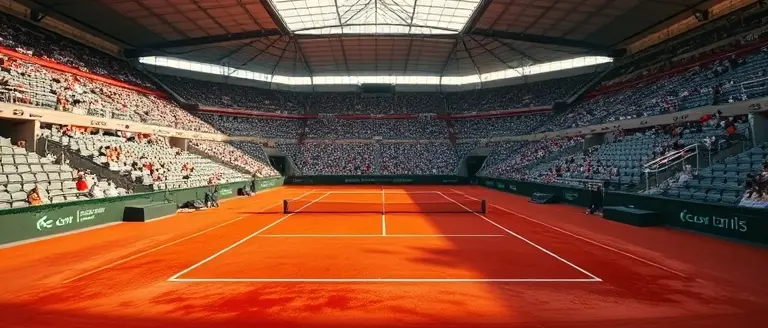
The recent exit of Elina Svitolina at the Mutua Madrid Open is emblematic of a wider trend currently defining the 2026 WTA season: the increasing parity of the women’s field on the European clay-court swing. While fans and analysts often look to high-seeded players to anchor tournament brackets, the reality of modern tennis is far more unpredictable. Svitolina’s straight-sets loss to Anna Bondár mirrors a growing pattern where established stars, often fatigued from high-intensity schedules, find themselves vulnerable to lower-ranked, hyper-focused opponents who possess the tactical versatility to exploit slower surfaces.
Analyzing the Fatigue Factor
The demands of the spring circuit are rigorous, and the transition from the indoor courts of Stuttgart to the outdoor clay of Madrid requires rapid physical and mental recalibration. Svitolina’s deep run at the Porsche Tennis Grand Prix—culminating in a semifinal appearance—clearly took a toll. Evidence suggests that the “fatigue factor” is no longer just a narrative trope; it is a measurable element of performance. When a player maintains high competitive intensity over consecutive weeks, the margin for error narrows significantly. Against a rising force like Bondár, who played with the composure of a veteran, the slightest dip in Svitolina’s physical responsiveness became the deciding margin.
The New Normal of WTA Parity
The volatility we are witnessing is not merely an anomaly of a single tournament but a structural change in the tour’s competitive landscape. Several factors contribute to this unpredictable climate:
- Tactical Specialization: More players are honing their game specifically for the unique sliding requirements and longer rally structures inherent to clay.
- Increased Depth: The gap between the Top 10 and the Top 50 has effectively closed, with lower-ranked athletes demonstrating elite-level consistency.
- Scheduling Pressure: The physical toll of the WTA calendar forces players to manage their energy output, leading to frequent upsets when top seeds fail to hit their peak intensity early in tournament draws.
Ultimately, Svitolina’s sudden departure serves as a reminder that the 2026 clay season remains wide open. As the tour progresses toward the bigger stages, the ability to adapt to high-pressure environments against unpredictable opponents will be the primary separator between those who maintain their rankings and those who fall victim to the intensity of the field.
Looking Ahead: Svitolina’s Path to Recovery and Form

The recent exit of Elina Svitolina at the Mutua Madrid Open serves as a critical inflection point in her 2026 clay-court campaign. After an intense semifinal run at the Porsche Tennis Grand Prix in Stuttgart, the sudden drop in performance against Anna Bondár suggests that the physical toll of back-to-back high-level tournaments may have compromised her court coverage and tactical precision. For Svitolina, the path forward requires a recalibration of her scheduling to balance match intensity with necessary recovery windows, ensuring she remains in peak physical condition as the season pivots toward the major Grand Slam events.
Tactical Adjustments for Clay Consistency
To regain her competitive edge, Svitolina must address several technical elements of her clay-court game. The surface demands a higher degree of patience and lateral movement, qualities that appeared slightly diminished in her Madrid performance. Key areas for improvement include:
- Shot Selection and Depth: Increasing the depth of her groundstrokes to prevent opponents from dictating play, especially against aggressive baseliners who thrive on the slower pace of European red clay.
- Rest and Recovery Cycles: Prioritizing restorative blocks between major events to mitigate the “fatigue factor,” which likely played a significant role in her early exit following the grueling Stuttgart schedule.
- Adaptability: Developing more variety, including tactical use of the drop shot and increased net approaches, to disrupt the rhythm of players like Bondár who are comfortable in long, rhythmic rallies.
Ultimately, this setback is not a reflection of a decline in skill but a reminder of the unforgiving nature of the WTA tour. By refining her physical preparation and leaning into her deep tactical experience, Svitolina remains a formidable contender. The focus now shifts toward upcoming preparatory events where she can fine-tune her game and restore the form that consistently places her among the elite in professional tennis.
Beyond the Court: Managing Your Own Peak Performance
Elina Svitolina’s unexpected exit in Madrid serves as a stark reminder that even the most disciplined elite athletes are not immune to the cumulative effects of a grueling professional schedule. The transition from the high-intensity clay courts of Stuttgart to the rapid-fire demands of the Mutua Madrid Open highlights the fragile balance between peak performance and physical burnout. When the margin for error is razor-thin, metabolic efficiency and energy sustainability become the decisive factors that separate winners from those struggling to find their rhythm.
Just as Svitolina must navigate the physical toll of a relentless circuit, many of us face our own version of ‘thermogenic resistance’ in our daily routines. Sustaining high-level focus and physical vitality throughout the day requires more than just willpower; it demands an optimized metabolic foundation. This is where the science of energy management becomes personal.
CitrusBurn offers a specialized, botanical-driven approach to enhancing your body’s metabolic efficiency. By supporting your internal energy production, it helps you move past the mid-day crashes and stamina slumps that hold you back from your best. Much like an athlete fine-tuning their recovery, you can take control of your daily output by fueling your metabolism with the right tools. It is time to stop settling for sluggishness and start operating at your full potential.
 Read how to optimize your own energy levels and combat fatigue with CitrusBurn\’s science-backed botanical approach.Yes, I Want to Optimize My Energy Now!