
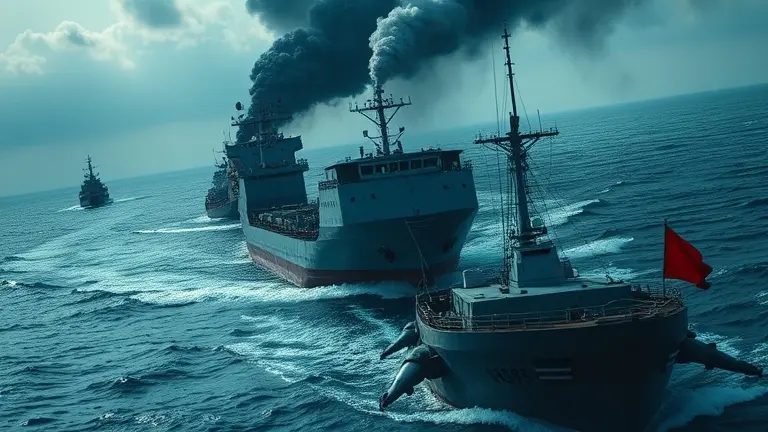
The geopolitical landscape has shifted dramatically as the 55-day standoff between the United States and Iran enters a volatile new chapter. Following the escalation of fresh naval actions in the Strait of Hormuz, global energy markets are reeling, with Brent crude prices surging past $100 per barrel as the blockade stalemate continues to grip the world’s most vital maritime chokepoint. While President Trump has extended the ceasefire, the reality on the ground—characterized by the seizure of commercial cargo ships and aggressive toll demands—suggests that the crisis is far from resolved.
For the average American, this is not merely a headline in the iran news today cycle; it is a direct influence on household budgets, inflationary pressures, and a collective sense of uncertainty. As diplomatic talks in Islamabad and Washington struggle to find common ground, the public is left to navigate a constant stream of high-stakes updates. Understanding this conflict requires looking beyond the immediate tactical maneuvers to see how this prolonged tension is reshaping our global economy and, more importantly, our individual capacity for resilience during a period of relentless instability.
The Strait of Hormuz Blockade: 55 Days of Stalemate

The current Iran US war conflict, which erupted on February 28, 2026, has reached a critical 55-day threshold, settling into what international analysts describe as a volatile “blockade stalemate.” Following the initial outbreak of hostilities, the Strait of Hormuz has become the epicenter of a high-stakes geopolitical tug-of-war. Despite President Donald Trump’s recent declaration of an indefinite ceasefire, the promise of de-escalation has been undermined by tactical maneuvering in the Persian Gulf. Iran news today reports confirm that Iranian naval forces have intensified their footprint in the region, effectively disrupting the flow of international maritime traffic through this vital chokepoint.
Breakdown of the Current Blockade Dynamics
The escalation of the maritime crisis centers on Iran’s strategic use of the Strait of Hormuz as both a military and economic bargaining chip. Recent reports indicate the following key developments:
- Commercial Seizures: Iranian naval vessels have successfully intercepted multiple commercial cargo ships, citing violations of territorial waters and internal regulations.
- The Toll Mechanism: Tehran has begun enforcing a unilateral “transit toll” on vessels attempting to pass through the strait, claiming sovereign rights over the waterway.
- Energy Market Impact: This disruption has driven Brent crude oil prices past the $100 per barrel mark, creating an immediate energy security threat as identified by the International Energy Agency (IEA).
This blockade has effectively neutralized the stability intended by the ceasefire. While diplomatic back-channels remain open in cities like Islamabad and Washington, the physical presence of Iranian assets in the strait suggests that the standoff is far from over. As the conflict enters its second month, the blockade stalemate continues to pressure global supply chains, leaving energy markets in a state of sustained uncertainty while domestic economic impacts continue to manifest for US consumers.
Energy Market Impact: Brent Crude and Global Trade
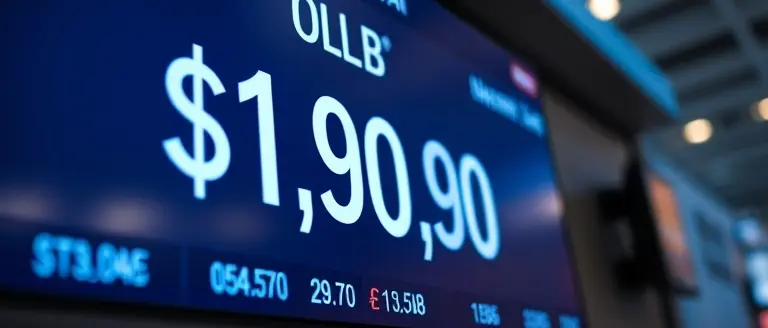
The ongoing Iran US war has fundamentally disrupted global energy security, sending shockwaves through commodity markets as the conflict enters its 55th day. With the Strait of Hormuz—a critical maritime chokepoint—effectively under a blockade stalemate, Brent crude oil prices have surged past the psychological threshold of $100 per barrel. This volatility is a direct response to Iranian naval actions that have hindered commercial shipping and introduced a new, precarious ‘toll’ mechanism for vessels attempting to traverse these narrow waters. The International Energy Agency (IEA) has labeled the situation a major energy security threat, as the uncertainty surrounding transit safety forces oil tankers to either delay shipments or pursue significantly longer, cost-prohibitive routes around the Cape of Good Hope.
Global Supply Chain Disruptions
The significance of this chokepoint cannot be overstated. Historically, the Strait of Hormuz facilitates the transit of approximately 20% to 30% of the world’s total petroleum consumption. As Iran news today reports fresh instances of cargo ship seizures, the ripple effects are manifesting across the broader global economy:
- Elevated Insurance Premiums: Marine insurance rates for vessels operating in the Persian Gulf have spiked, adding a significant risk premium to the cost of every barrel transported.
- Logistical Bottlenecks: The blockade has forced a recalibration of global supply chains, leading to delays in the delivery of refined products and petrochemical feedstocks.
- Inflationary Pressure: Beyond energy, the rising costs of maritime logistics are fueling secondary inflationary pressures on goods that rely on complex, globalized manufacturing processes.
While diplomatic channels remain open in Washington and Islamabad, the market remains highly reactive to every update from the region. Investors and policymakers are now grappling with a ‘new normal’ where the physical flow of energy is inextricably tied to the volatile trajectory of the Iran US war, leaving consumers to face the rising costs of energy-dependent goods and services for the foreseeable future.
Diplomatic Fragility: Talks in Islamabad and Washington

As the Iran US war enters its 55th day, the diplomatic landscape remains precariously thin. Despite President Donald Trump’s recent announcement regarding the indefinite extension of the ceasefire, the situation on the ground remains volatile. High-level negotiations concurrently underway in Islamabad and Washington are currently struggling to move beyond the initial framework of de-escalation. The primary hurdle involves the blockade stalemate in the Strait of Hormuz, where Iranian forces continue to seize commercial vessels and demand transit tolls—a direct challenge to international maritime law and global energy security.
Navigating the Stalemate
The complexity of these talks is compounded by the involvement of various regional stakeholders, each harboring conflicting interests regarding the security of the Strait. Diplomatic observers note that while Washington seeks a full restoration of free navigation, Tehran maintains that its actions are a response to regional pressures, framing the tolls as a sovereign economic measure. The instability of the current ceasefire is evident, as sporadic naval skirmishes persist despite formal discussions. Key challenges currently facing negotiators include:
- Enforcement of Maritime Rights: Establishing a mechanism that prevents further seizures without triggering renewed direct military engagement.
- Revenue Disputes: Addressing Iran’s insistence on collecting tolls, which the international community largely views as an illegal disruption of trade.
- Multi-national Coordination: Aligning the disparate geopolitical goals of regional actors mediating in Islamabad with the strategic requirements laid out by the White House.
Uncertainty and Public Anxiety
Public interest in Iran news today highlights a deep-seated anxiety regarding the durability of these peace efforts. While officials project a posture of cautious optimism, the lack of a tangible breakthrough has kept global markets in a state of hyper-alertness, with Brent crude oil prices holding firm above $100 per barrel. Experts warn that as long as the diplomatic process remains fragmented, the risk of a sudden collapse of the ceasefire persists. For US consumers, the uncertainty surrounding these talks represents more than just a geopolitical headline; it is a direct contributor to ongoing inflationary pressures and energy sector instability that could define the economic outlook for the coming months.
Geopolitical Outlook: What Happens Next?
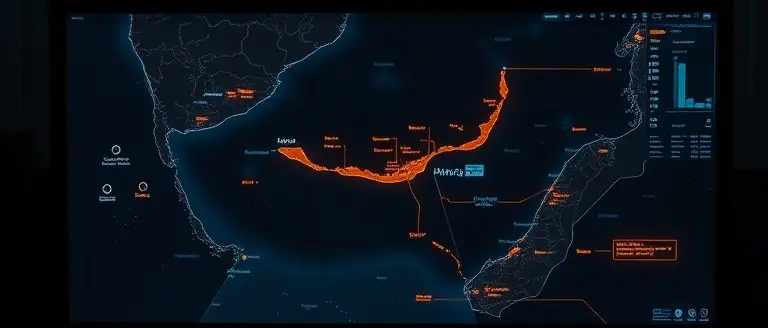
As the conflict reaches its 55-day milestone, the geopolitical outlook remains precarious. With Iran US war news dominating global headlines, the primary concern for analysts is whether the current blockade stalemate in the Strait of Hormuz will transition into a wider regional kinetic engagement or a managed, albeit uneasy, de-escalation. The strategy employed by Iranian naval forces—seizing commercial vessels to extract tolls—functions as both a pressure tactic against Western sanctions and a lever to influence diplomatic negotiations in Islamabad. While President Trump has extended the ceasefire, the volatility of these maritime actions threatens the fragile stability that the global economy desperately requires. The International Energy Agency has explicitly identified this situation as a premier energy security threat, as Brent crude prices holding above $100 per barrel place immense strain on both industrial output and consumer purchasing power in the United States.
Strategic Risks and Escalation Factors
The path forward depends heavily on how both Washington and Tehran interpret the success of current diplomatic channels. Expert observers point to several critical indicators that will define the next phase of the crisis:
- The Toll Mechanism: If Iran continues to institutionalize the collection of transit fees, it risks a definitive military response from the U.S. and its regional allies intended to restore freedom of navigation.
- Diplomatic Fragility: Current talks are hampered by a fundamental lack of trust; any perceived breach of the ceasefire could lead to an immediate resumption of direct hostilities.
- Energy Market Sensitivity: Further escalation would likely drive oil prices well beyond the $100 threshold, significantly complicating the U.S. domestic economic landscape and potentially shifting midterm strategy.
- Regional Actor Influence: The involvement of secondary regional powers in Islamabad acts as a buffer, yet their inability to enforce maritime law leaves a vacuum that keeps the risk of miscalculation dangerously high.
Ultimately, the most likely outcome in the coming weeks involves a continuation of “gray zone” tactics—actions that fall just short of total war but maintain high economic pressure. The effectiveness of future Iran news today updates will hinge on whether diplomatic discussions can transform the temporary ceasefire into a permanent maritime security framework, or if the blockade stalemate will force a pivot toward direct intervention.
Maintaining Personal Resilience Amidst Global Volatility
As the standoff in the Strait of Hormuz continues to drive economic unpredictability, it is easy to become overwhelmed by the barrage of negative news. The stress of tracking military movements, energy fluctuations, and diplomatic stalemates can take a significant toll on your physical and mental well-being. However, while we cannot control the geopolitical tides, taking proactive steps to safeguard your internal health is the most effective strategy to remain sharp, composed, and energized during these uncertain times.
Maintaining your metabolic health is essential for navigating high-stress environments. This is why we recommend Cardio Slim Tea as a vital part of your daily routine. By opting for a natural, plant-based, stimulant-free ritual, you can effectively manage stress-induced health impacts without the jitters associated with caffeine. It is the perfect, grounded intervention for those looking to stay physically optimized and calm while the world navigates turbulent market and political updates.
Supporting your long-term vitality isn’t just about surviving the news cycle; it is about thriving despite it. By integrating this resilience ritual into your life, you are choosing to prioritize your well-being, ensuring you stay steady even when the headlines are anything but. Click below to secure your supply and find your daily balance as you continue to navigate these challenging times.
 Support your metabolic health and find your daily balance—click here to explore how Cardio Slim Tea can help you stay composed and energized.Protect My Health and Vitality Today!