
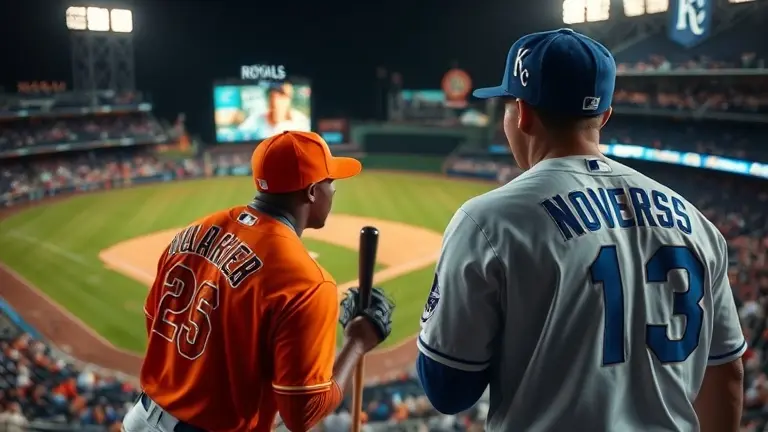
The April 20, 2026, marathon between the Baltimore Orioles and the Kansas City Royals served as more than just a box-score nightmare or a thrill-ride win; it was a brutal indictment of two franchises currently spiraling through a season of profound uncertainty. When Leody Taveras launched that decisive 12th-inning grand slam to secure a 7-5 win for Baltimore, it masked the deeper, systemic cracks within both organizations. Fans aren’t just frustrated by the losses; they are exhausted by the erratic roster management and the ‘hit-or-miss’ coaching decisions that define these clubs. The Orioles vs Royals series has become a case study in what happens when professional sports teams operate without a coherent, long-term blueprint, choosing instead to pivot on a whim at the expense of sustainable winning.
This isn’t merely about early-season struggles—it is about the dangerous reliance on trial-and-error management in a high-stakes environment. Much like an amateur woodworker attempting to craft complex furniture without a structured guide, both the Orioles and the Royals front offices seem to be guessing their way through the season. The result? A ‘gut-punch’ experience for the fanbases that leaves them questioning not just individual players, but the very architectural integrity of their favorite teams. To understand why these franchises keep falling short, we must look past the 12th-inning heroics and examine the structural failures that persist long after the final out.
The April 20 Drama: Analyzing the Orioles-Royals 12-Inning Thriller

The April 20, 2026, matchup between the Baltimore Orioles and the Kansas City Royals at Kauffman Stadium has quickly become the defining narrative of the early season for both struggling franchises. In a grueling 12-inning contest that tested both bullpens and resolve, the Orioles ultimately edged out a 7-5 victory, leaving Royals fans questioning their team’s late-game execution. The game served as a microcosm of the 2026 campaign, characterized by back-and-forth momentum shifts and significant tactical errors that have plagued both clubs as they navigate records of 11-13 and 8-16, respectively.
The Turning Point: Taveras Breaks the Deadlock
The dramatic climax arrived in the 12th inning when Leody Taveras delivered a clutch, go-ahead grand slam. This singular swing of the bat proved to be the decisive factor, effectively silencing the home crowd and cementing the Orioles’ win. Analysts point to this moment as the quintessential “gut-punch” loss for the Royals, who have struggled to maintain leads throughout the first month of play.
Key takeaways from the game include:
- Bullpen Fatigue: Both the Orioles and Royals exhausted their relief corps, exposing the lack of depth in their respective bullpens.
- Tactical Failures: Strategic decisions in the middle innings, specifically regarding base running and defensive alignment, led to missed scoring opportunities for Kansas City.
- High-Leverage Impact: The performance under pressure highlighted the reliance on individual heroics rather than consistent offensive production, a common criticism of these teams in recent weeks.
This game reached viral status not only for the grand slam but for what it represents: a desperate search for consistency from two teams currently sitting in the bottom half of their respective divisions. For fans tracking the Orioles vs Royals series, the outcome on April 20 highlighted the volatility inherent in both rosters, proving that until these organizations stabilize their core management and situational hitting, fans should expect further unpredictable, high-stress results.
Roster Volatility: Why Both Teams Are Struggling to Find Identity
The early-season narratives for both the Baltimore Orioles and the Kansas City Royals have been defined by a frustrating lack of cohesion. With the Orioles sitting at 11-13 and the Royals struggling significantly at 8-16, the Orioles vs Royals series has become a case study in organizational instability. Evidence suggests that neither front office has settled on a reliable everyday lineup, leading to a “revolving door” approach that prevents players from building rhythm or establishing chemistry. This constant roster churn, compounded by injury-related absences such as the Baltimore Orioles placing Ryan Helsley on the bereavement list, has forced managers into reactive, rather than proactive, decision-making.
The Cost of Inconsistency
The unpredictability plaguing both squads is not merely bad luck; it is a symptom of deeper roster mismanagement. Fans witnessing the drama at Kauffman Stadium are seeing a product that lacks a foundational identity. Key factors contributing to this decline include:
- Defensive Instability: Frequent shifting of players across positions has led to unforced errors, turning routine plays into momentum-killing defensive lapses.
- Bench Mismanagement: An over-reliance on experimental platoon setups has failed to yield consistent offensive output, often leaving high-leverage situations to underprepared reserves.
- Bullpen Fatigue: Early-season injuries and ineffective starting pitching have forced managers to burn through relievers, leading to high-stress, extra-inning affairs like the 12-inning thriller on April 20.
For the Kansas City Royals, the atmosphere remains tense as the organization grapples with both poor on-field results and off-field stadium uncertainties. Meanwhile, the Orioles are struggling to reconcile their talent potential with their current win-loss record. Unless these franchises can stabilize their core lineups and reduce the volatility in their daily rotations, “unpredictable” will remain the only consistent descriptor for their 2026 campaigns. The upcoming series finale serves as a critical juncture for both teams to prove that they are more than just the sum of their early-season frustrations.
Front Office Under Fire: The Pressure on Baltimore and Kansas City Leadership

The current Orioles vs Royals series at Kauffman Stadium has become a lightning rod for broader organizational frustrations that extend well beyond the diamond. With both the Baltimore Orioles (11-13) and the Kansas City Royals (8-16) struggling to find consistent rhythm early in the 2026 season, the patience of their respective fanbases is wearing thin. The narrative is no longer just about wins and losses; it is about a perceived lack of direction from the top. In Kansas City, public discontent has intensified, exacerbated by off-field controversies surrounding stadium management and uncertainty regarding long-term infrastructure. For Baltimore, the frustration manifests as a “gut-punch” reaction to roster volatility, underscored by recent personnel challenges such as placing key relief pitcher Ryan Helsley on the bereavement list, which has further exposed depth issues in the bullpen.
Escalating Organizational Accountability
The mounting pressure on front-office executives in both cities is palpable as the “hot seat” chatter increases. Evidence suggests that the unpredictable nature of these rosters—highlighted by high-leverage moments like Leody Taveras’ dramatic grand slam on April 20—masks systemic failures in roster construction and long-term planning. To address these growing concerns, leadership teams must navigate several critical areas:
- Roster Stability: Both organizations have struggled to maintain a consistent lineup, leading to fragmented performances that alienate supporters.
- Communication Gaps: Fans are increasingly vocal about the lack of transparency regarding stadium-related developments in Kansas City and strategic rebuilding phases in Baltimore.
- Coaching Accountability: With underperforming records, the spotlight is shifting toward manager-level decision-making and how much autonomy coaching staffs have in managing these erratic rosters.
As the series concludes on April 22, the Kansas City Royals and Baltimore Orioles find themselves at a crossroads. While individual highlights offer temporary relief, the long-term trajectory of these franchises will likely depend on whether their front offices can pivot from reactive management to a cohesive, sustainable vision. For now, the “unpredictable” label remains the most accurate, yet least comforting, description of two teams currently failing to meet the expectations of their loyal, albeit frustrated, markets.
Series Finale Stakes: What to Watch for in the Final Showdown

As the Baltimore Orioles and the Kansas City Royals head into the April 22 finale at Kauffman Stadium, the atmosphere is heavy with the aftermath of an exhausting 12-inning marathon. Following the Orioles vs Royals thriller on April 20—clinched by Leody Taveras’ dramatic grand slam—both organizations find themselves at a critical crossroads. With the Royals sitting at 8-16 and the Orioles hovering at 11-13, this finale is less about simple standings and more about validating front-office strategies that have faced intense public scrutiny. For the coaching staffs, the primary challenge is managing bullpen fatigue after the recent extra-inning strain, which likely forces a heavy reliance on spot starters and long-relief specialists to bridge the gap.
Strategic Imperatives for the Finale
The psychological toll of early-season losses has left both fanbases demanding a shift in intensity. To secure a win and salvage momentum, management will focus on these key areas:
- Bullpen Resilience: After the high-leverage usage in the series opener, both teams must demonstrate depth. Keep an eye on secondary arms who are under pressure to prove their roster worth amid mounting injury concerns, such as the absence of key pieces like the Orioles’ Ryan Helsley.
- Offensive Consistency: Both lineups have shown a frustrating “unpredictable nature.” The Royals need their core to stop the “gut-punch” trend of failing to capitalize with runners in scoring position, a recurring theme that has fueled local frustration.
- Defensive Reliability: Errors in tight games have plagued both sides. The finale will likely hinge on which team minimizes self-inflicted mistakes in the late innings.
For the Kansas City Royals, this game serves as a litmus test for organizational stability. A victory could soothe recent stadium-related tensions and provide a much-needed narrative pivot. Meanwhile, the Baltimore Orioles seek to prove that their resilience in high-pressure situations is sustainable, not merely a flash of luck. Fans should expect a tactical, low-scoring affair as both managers look to protect their depleted relief corps while fighting to avoid a demoralizing series conclusion.
Building Success Through Structural Precision
The shared frustration in Baltimore and Kansas City stems from a clear reality: you cannot build a winning legacy on incomplete blueprints and frantic, unpredictable decisions. When front offices prioritize convenience over proven strategy, the collapse is inevitable. Just as a professional project requires a reliable, workshop-tested plan to avoid catastrophic mistakes, a major league organization requires a foundation built on precision, not just optimism and gut feeling. It is time to abandon the trial-and-error mentality that defines struggling teams and embrace the certainty that comes with a masterfully designed roadmap.
If you have ever felt the frustration of an incomplete project—whether on the baseball diamond or in your own workshop—you understand that precision is the only antidote to chaos. Our professional-grade woodworking plans offer the same structural certainty that these teams so desperately lack. By trading unpredictable ‘winging it’ for technical rigor, you ensure that every cut, every measurement, and every decision leads toward a finished product of elite quality. It is time to shift from the instability of ‘good enough’ to the absolute confidence of professional execution.
Stop settling for amateur blueprints in your own projects—access the professional-grade plans you need to build success with total certainty. This is your opportunity to move beyond the guesswork and start building with the accuracy of a seasoned craftsman, ensuring that every effort you put forth results in a stable, triumphant outcome.
 Stop settling for amateur blueprints in your own projects—access the professional-grade plans you need to build success with total certainty.Transform My Projects Today!