
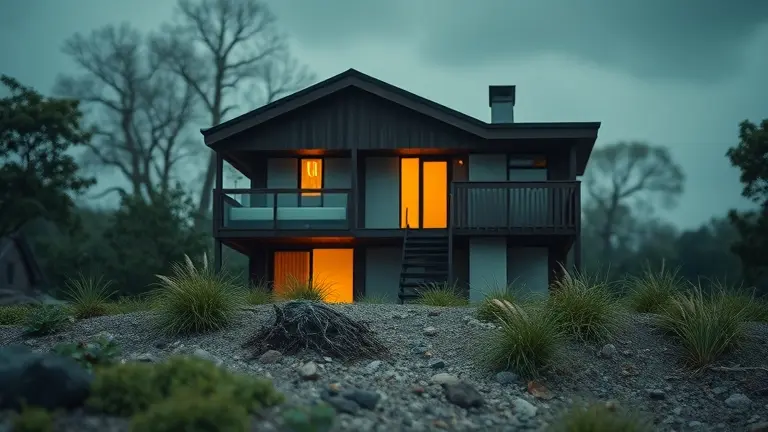
As we observe Earth Day 2026 under the theme ‘Our Power, Our Planet,’ we are reminded of the fragile beauty of our home—an image captured in stunning, high-definition detail by the Artemis II crew from the lunar surface. This perspective serves as a powerful catalyst for collective action, moving beyond the superficiality of yearly celebrations into the realm of intentional living. It is no longer enough to rely on corporate pledges or distant political policy; the true power for environmental restoration lies in the hands of the individual.
Meaningful change is found in the decisions we make within our own four walls. By shifting our perspective from passive consumers of mass-produced, unsustainable goods to active stewards of our own resources, we can significantly reduce our carbon footprint. Transforming your home into an engine of sustainability is not just a trend—it is a necessary evolution. Today, we bridge the gap between global awareness and tangible, home-based action to build a greener future, one project at a time.
Earth Day 2026: Our Power, Our Planet and the Call for Collective Action
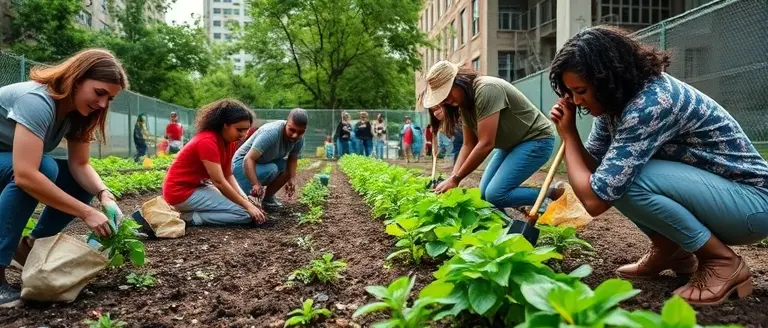
The celebration of the día de la tierra (Earth Day) in 2026 arrives at a critical intersection of technological advancement and environmental necessity. Under the central theme of “Our Power, Our Planet,” this year’s movement shifts the focus from passive awareness to a rigorous, dual-pronged approach that bridges the gap between individual agency and systemic corporate responsibility. As we observe the planet through the awe-inspiring, high-resolution imagery captured by the Artemis II crew from the lunar surface, the vulnerability of our home world becomes undeniable. This “Overview Effect” serves as a powerful catalyst, reinforcing that protecting the Earth is not merely a choice, but a requirement for our collective future.
Synchronizing Corporate ESG and Individual Stewardship
Meaningful progress requires transparency and measurable goals, moving beyond the surface-level marketing often criticized as greenwashing. A significant marker of this transition is the increasing participation of industry leaders in frameworks like the UN Global Compact. For instance, corporations such as EZVIZ are aligning their operations with international sustainability standards, proving that modern smart home and tech solutions can be integrated into a circular, eco-conscious economy. When individuals choose to support companies that prioritize ESG (Environmental, Social, and Governance) criteria, they create a market signal that rewards authentic stewardship over empty rhetoric.
Taking Action in 2026: A Roadmap
To truly embody the spirit of “Our Power, Our Planet,” we must adopt localized, high-impact strategies that leverage both personal habits and technological tools. Consider the following actions to drive measurable change:
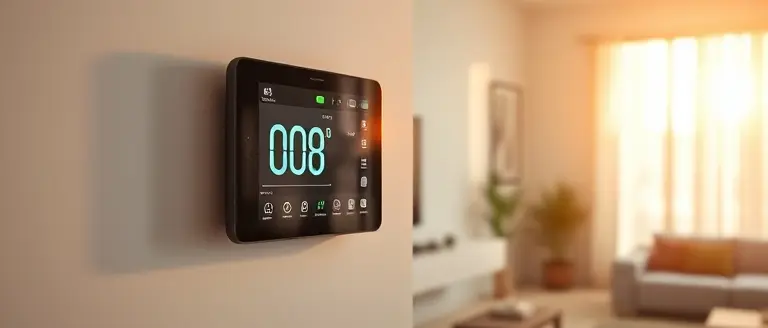
- Smart Resource Management: Utilize connected home energy monitoring systems to reduce carbon footprints and optimize electricity consumption in real-time.
- Support Transparent Supply Chains: Prioritize purchasing from entities committed to the UN Global Compact, ensuring your consumer power fuels ethical production.
- Participate in Local Ecosystem Restoration: Move beyond symbolic gestures by joining local community initiatives focused on native reforestation and urban biodiversity.
- Advocate for Transparency: Demand rigorous, data-backed reports from local businesses to ensure their environmental claims are backed by verifiable outcomes.
This 2026 observance is a defining moment where we recognize that our individual capacity, when scaled through conscious corporate partnerships and technological integration, holds the power to secure a resilient future for the planet.
The View from Above: How Artemis II Imagery Changes Our Perspective on Stewardship

The release of high-definition imagery from the Artemis II mission has reignited the “Overview Effect”—a cognitive shift reported by astronauts who experience the profound realization that our planet is a fragile, singular ecosystem floating in a vast, indifferent void. This visual perspective is more than a scientific milestone; it serves as a powerful anchor for the Día de la Tierra 2026 theme, “Our Power, Our Planet.” When we view the Earth from the lunar surface, the absence of borders and the thin, glowing atmosphere highlight the undeniable reality that our collective climate future is tethered to a finite set of resources. This shift in perception turns abstract environmental statistics into a visceral call for immediate, localized action.
Translating the Overview Effect into Local Action
While space exploration reminds us of our planetary fragility, real-world impact happens at the community level. To honor the theme of “Our Power, Our Planet,” we must bridge the gap between global awareness and individual stewardship. The following actions represent measurable ways to protect the immediate environment:
- Implement Smart Energy Management: Integrating smart home energy solutions—such as AI-driven climate control and real-time consumption monitoring—can reduce household carbon footprints by up to 15% annually.
- Support Local Biodiversity: Replace non-native lawn turf with pollinator-friendly, indigenous plant species to restore local ecosystems and reduce water usage by 30%.
- Vet Corporate Commitments: Look beyond marketing claims by reviewing corporate participation in verifiable frameworks, such as the UN Global Compact, to ensure that businesses are moving beyond greenwashing toward systemic sustainability.
- Participate in Circular Economy Initiatives: Prioritize community-based repair workshops and local composting programs over traditional waste disposal to minimize landfill contributions.
The psychological impact of the Artemis II mission encourages us to see our local soil, air, and water as parts of a mission-critical life support system. By treating our neighborhoods with the same gravity as an orbital habitat, we honor the Día de la Tierra not just as a day of observation, but as an ongoing commitment to planetary survival. The evidence is clear: the health of our global home is the direct, cumulative result of the choices we make within our own zip codes.
Smart Living: High-Value, Low-Effort Lifestyle Changes for 2026
In alignment with the Día de la Tierra 2026 theme, “Our Power, Our Planet,” true environmental stewardship begins by translating global intentions into local, high-impact routines. Modern sustainability no longer relies solely on individual sacrifice; it is increasingly defined by the integration of smart technology and circular consumption patterns that reduce your carbon footprint with minimal daily friction. By leveraging data-driven tools, households can transition from passive consumers to active participants in planetary health.
High-Impact Strategies for Modern Sustainability
To maximize your environmental contribution, focus on interventions that yield quantifiable results in energy conservation and waste reduction:
- Optimize Home Energy Efficiency: Utilize smart home systems—such as those integrated by companies committed to the UN Global Compact—to automate heating, cooling, and lighting. Evidence suggests that programmable smart thermostats can reduce residential energy consumption by up to 12% annually, directly lowering demand on traditional power grids.
- Targeted Food Waste Reduction: Approximately one-third of all food produced is wasted. By adopting “first-in, first-out” inventory management for your pantry and prioritizing local produce, you reduce the methane emissions associated with landfill-bound organic matter.
- Embrace the Circular Economy: Before making new purchases, prioritize refurbished electronics or durable goods from brands that demonstrate transparent ESG (Environmental, Social, and Governance) commitments. Extending the lifecycle of a single device is one of the most effective ways to mitigate resource extraction.
- Mindful Consumption: Shift from a culture of convenience to one of longevity. Choosing products with modular designs allows for easier repairs, keeping hardware out of waste streams and aligning your personal habits with the collective goal of a more resilient future.
These adjustments bridge the gap between abstract awareness and meaningful action. By optimizing how we manage our own domestic environments, we honor the perspective gained from the recent Artemis II mission—reminding us that our home is a singular, precious system requiring both technological ingenuity and consistent personal responsibility.
The Future of Sustainability: Bridging Technology and Systemic Challenges

As we observe the Día de la Tierra in 2026, the intersection of advanced technology and environmental stewardship has never been more critical. The theme “Our Power, Our Planet” highlights a pivotal shift: moving beyond passive awareness toward active, tech-enabled solutions. Today, smart home ecosystems and AI-driven energy management platforms are doing more than just providing convenience; they are becoming essential tools for individual carbon footprint reduction. By optimizing HVAC systems and lighting through predictive algorithms, homeowners can significantly lower their energy consumption, bridging the gap between personal convenience and the urgent need for systemic sustainability.
However, technology alone cannot solve the climate crisis. While corporations are increasingly aligning with frameworks like the UN Global Compact—exemplified by recent commitments from industry leaders like EZVIZ—there remains a lingering tension between aggressive corporate growth and authentic environmental responsibility. To navigate this, consumers must distinguish between superficial marketing and substantive ESG (Environmental, Social, and Governance) progress.
Scaling Innovation for Lasting Impact
True progress requires integrating cutting-edge tools with human-centric policy to address deep-rooted systemic hurdles. To ensure that innovation drives meaningful change, the following strategies are essential:
- Data-Driven Accountability: Leveraging transparent, blockchain-based reporting for supply chain emissions to prevent corporate greenwashing.
- Energy Decentralization: Promoting community-led microgrids that integrate AI to balance loads, reducing reliance on fossil-fuel-heavy central grids.
- Policy-Technology Synergy: Encouraging government incentives that reward companies for circular manufacturing processes rather than just carbon offsets.
- Bridging the Digital Divide: Ensuring that smart, sustainable infrastructure is accessible to diverse economic communities, preventing an “eco-gap” where sustainability becomes a luxury feature.
By aligning individual technological empowerment with systemic corporate and policy reform, we can ensure that the momentum of Día de la Tierra 2026 translates into tangible planetary healing. The future of sustainability lies not in choosing between technology and nature, but in using human ingenuity to restore the balance of our shared environment.
Build a Legacy of Sustainability Today
True environmental stewardship is not merely a global concept; it is a discipline practiced daily within the home. By choosing to move away from disposable, mass-market consumerism, we reclaim our ability to create goods that are built to last, significantly reducing the waste that clutters our landfills and depletes our resources. Every item you choose to craft instead of buy represents a direct victory for the planet, embodying the very essence of ‘Our Power, Our Planet.’
To assist you in this transition, Ted’s Woodworking serves as the ultimate sustainability toolkit. By providing you with a library of 16,000 professional woodworking plans, this resource empowers you to stop relying on unsustainable store-bought alternatives. Whether you are building durable furniture, functional home goods, or essential repairs, you are fostering a culture of craftsmanship that honors the environment. It is the most practical step you can take to move from intention to tangible impact, transforming your living space into a testament to self-sufficiency and eco-conscious design.
This is your opportunity to turn the abstract goal of environmental protection into a hands-on, rewarding lifestyle. By mastering the art of building, you ensure that your home is filled with quality items that serve you for a lifetime, inherently lowering your ecological demand. Embrace your potential as an creator and take control of your footprint today.
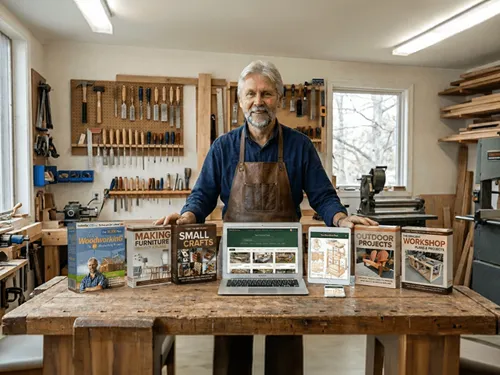 Start your journey toward a more sustainable and self-sufficient home today—access your library of 16,000 professional woodworking plans and build a greener future.Yes, I Want This Now!