
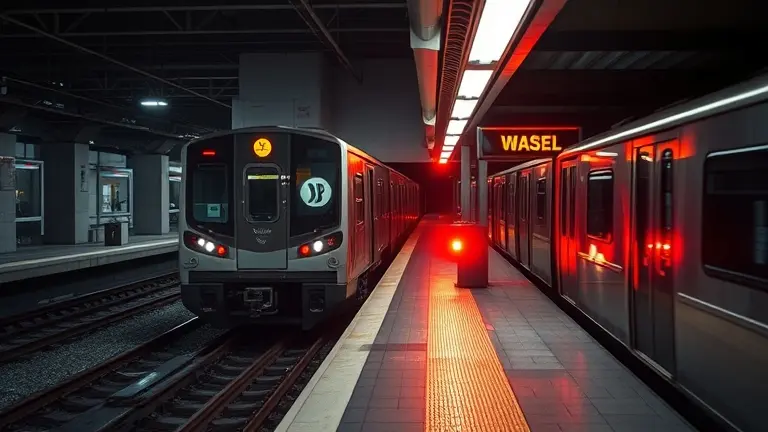
The quiet routine of the Wednesday morning commute in Washington, D.C., was shattered on April 22, 2026, when a WMATA work vehicle collided with a Silver Line train at Metro Center. With 11 injuries reported and significant disruptions cascading across the transit network, the incident has reignited intense public scrutiny regarding the safety and operational reliability of our transit system. This crash is not an isolated event; it arrives at a pivotal moment, forcing an immediate, uncomfortable dialogue between WMATA leadership and a public increasingly skeptical about the safety of their daily transit options.
For thousands of riders, this incident underscores the urgent, unresolved debate surrounding Metro’s modernization efforts. As policymakers weigh the implementation of driverless rail systems and the necessity of platform barriers to prevent future tragedies, the core issue of commuter trust hangs in the balance. While the investigation into the mechanical and human factors of this collision is only just beginning, the broader narrative is clear: the path forward for WMATA must prioritize not only physical infrastructure upgrades but also a commitment to restoring the confidence of those who rely on the rails every single day.
Metro Center Incident: April 22, 2026 Emergency Report
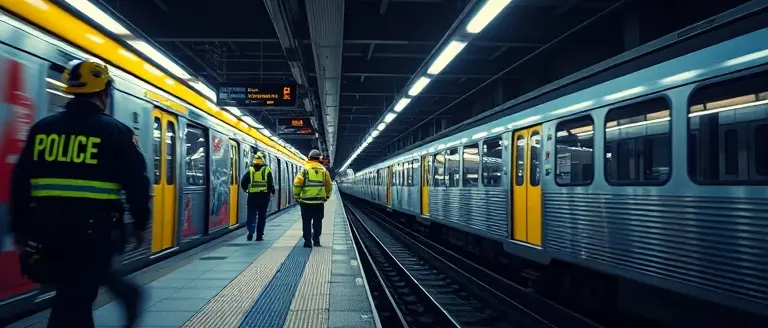
On the morning of Wednesday, April 22, 2026, a significant public safety incident occurred at the Metro Center station, involving a collision between a WMATA work vehicle and a passenger-carrying Silver Line train. Emergency responders and transit officials were dispatched to the scene shortly after the incident, which occurred during the height of the morning commute. Preliminary reports confirmed that 11 individuals sustained injuries during the collision, necessitating immediate medical evaluation and transport. While the exact cause of the mechanical or operational failure remains under active investigation by federal and local transit safety boards, the event has prompted immediate concerns regarding the integrity of current track-side safety protocols.
Impact on Commuter Operations
The incident triggered widespread service disruptions across the Washington Metropolitan Area Transit Authority network, particularly affecting the Silver Line and surrounding downtown hubs. Passengers are advised to remain vigilant regarding service modifications and potential station bypasses as crews work to clear the site and conduct thorough safety inspections. Key takeaways for affected riders include:
- Service Status: Expect major delays and potential line suspensions; commuters should monitor the official WMATA website and transit apps for real-time adjustments.
- Alternative Routes: Consider utilizing bus bridges or regional rail alternatives as transit authorities prioritize the restoration of mainline operations.
- Commuter Safety: Authorities urge all riders to follow directions from station personnel and remain updated via local news outlets.
This collision at a central transit hub serves as a stark reminder of the risks inherent in legacy infrastructure management. As investigations proceed, transit officials face increasing pressure to explain how a maintenance vehicle entered the path of an active passenger train, directly influencing ongoing discussions regarding the modernization of the WMATA rail system.
Assessing Transit Reliability and Safety Protocols
The collision between a WMATA work vehicle and a Silver Line train at the Metro Center station on April 22, 2026, has prompted an urgent, high-level review of the agency’s internal safety protocols. While the full investigation remains ongoing, preliminary reports indicate a failure in the coordination between active rail traffic and maintenance operations. In a complex transit environment like the Washington D.C. Metro, work crews must adhere to strict “track rights” and signaling protocols to ensure that non-revenue equipment remains isolated from passenger-carrying trains. The fact that this incident occurred in one of the system’s most central hubs, resulting in 11 reported injuries, highlights a critical vulnerability in the current operational oversight. Moving forward, WMATA is expected to face intense scrutiny regarding how such work vehicles are cleared for track access and whether current communication redundancies are sufficient to prevent human or mechanical error during routine maintenance.
Key Factors in Operational Safety
To restore public trust and ensure long-term reliability, the agency must address several technical and procedural pillars:
- Maintenance Zone Isolation: Strengthening the physical and electronic blocks that prevent work vehicles from entering segments of track occupied by revenue service trains.
- Signaling and Communication Audits: Evaluating if current manual override protocols or radio communication gaps contributed to the collision at Metro Center.
- Infrastructure Modernization: Analyzing whether proposed safety investments—such as automated train control systems—could have acted as a fail-safe to detect the unauthorized presence of a vehicle on the active rail line.
- Workforce Training: Reinforcing real-time safety situational awareness for maintenance crews operating in high-density transit zones.
The immediate steps taken by the transit authority involve a comprehensive audit of all work-zone access permits issued in the last quarter. By scrutinizing these operational failures, officials are tasked with determining if existing standard operating procedures are simply outdated or if the systemic complexity of the rail network requires more robust technological intervention to guarantee passenger safety.
Modernization vs. Maintenance: The Urgent Need for Upgrades
The collision between a WMATA work vehicle and a Silver Line train at Metro Center on April 22, 2026, serves as a sobering catalyst for the ongoing debate surrounding transit infrastructure. While the immediate investigation focuses on the mechanics of this specific failure, the incident underscores a persistent tension between keeping an aging system operational and aggressively pursuing modernization efforts. Critics and transit advocates are increasingly questioning whether the current pace of safety upgrades is sufficient to protect riders from the inherent risks of human-operated maintenance equipment sharing active rails.
The Case for Automated Safety Systems
This incident has brought renewed public scrutiny to the proposed implementation of driverless trains and platform barriers on the Red Line. Proponents of these technologies argue that human error remains a significant variable in transit accidents. By transitioning to automated systems, WMATA could potentially integrate advanced signal technology that enforces strict separation between maintenance vehicles and passenger trains, effectively eliminating the possibility of collisions caused by communication gaps or operator oversight.
- Platform Barrier Integration: These structures serve as a physical safeguard, preventing not only falls but potentially containing debris or mechanical components during a mid-station collision.
- Automated Signaling: Advanced systems could provide real-time, tamper-proof tracking of all maintenance equipment, creating a digital “geofence” that passenger trains cannot bypass.
- Infrastructure Accountability: Modernization acts as a bridge between legacy maintenance protocols and the future of regional transit, shifting the burden of safety from human vigilance to system-wide technical redundancy.
The path forward for WMATA is no longer just about operational efficiency; it is a critical mandate for public safety. As the board prepares to vote on significant capital investments, this collision provides a grim yet necessary backdrop, suggesting that the “maintenance-first” philosophy must evolve into a “technology-first” safety strategy to regain passenger confidence and prevent future casualties.
The Path Toward Automation: Driverless Trains and Future Safety
The recent collision at Metro Center has reignited intense debate regarding the Washington Metropolitan Area Transit Authority (WMATA) modernization strategy. As officials weigh the implementation of driverless train technology and platform screen doors, the conversation has shifted from purely fiscal or efficiency-based arguments to an urgent focus on passenger safety. Proponents of automation argue that removing human error from train operation could significantly enhance reaction times. Modern automated train control systems can maintain precise distances between vehicles and respond to track obstructions with millisecond speed, potentially preventing the human-in-the-loop delays that often occur in emergency, mixed-use track scenarios.
Potential Benefits of Automated Systems
Implementing advanced automation within the WMATA rail network offers several theoretical safety and operational advantages:
- Precision Braking: Automated systems utilize high-frequency communication between track sensors and onboard computers to ensure consistent, reliable stopping distances.
- Optimized Throughput: By standardizing train intervals, the agency could reduce congestion during peak hours, potentially lowering the frequency of track-side maintenance vehicles sharing lines with passenger trains.
- Platform Security: Pairing driverless trains with physical platform barriers would virtually eliminate the risk of track incursions, addressing a primary safety concern for the Washington, D.C. transit community.
Navigating the Challenges of Modernization
However, skeptics point to the complexity of integrating such technology into a legacy system. Critical voices in recent board meetings have emphasized that automation is not a panacea for infrastructure decay. Critics argue that until WMATA addresses the structural integrity of its aging tunnels and outdated signaling systems, high-tech upgrades may be premature. Furthermore, the reliance on automated systems necessitates a massive overhaul of existing safety protocols to ensure that unexpected “ghost” obstacles—like the work vehicle involved in the April 22 incident—are detected by sensors that might currently be calibrated primarily for other railcars. As the board prepares for impending votes on these upgrades, the balance between technological innovation and foundational safety remains the central tension of the WMATA reform agenda.
Reclaiming Your Calm Amidst the Transit Chaos
The collision at Metro Center is more than a logistical disruption; it is a profound reminder of the fragility of our daily routines and the urgent need for modernization within WMATA. While officials scramble to investigate the causes and debate the implementation of driverless technology and platform barriers, the reality for the average commuter remains one of uncertainty and heightened vigilance. This event serves as a critical inflection point, forcing us to question not just the safety of our infrastructure, but how we manage the resulting anxiety that permeates our morning transit experience.
As we navigate the uncertainty surrounding Metro’s reliability, maintaining mental focus and calm amidst daily travel disruptions has become a critical challenge for every DC rider. The cognitive strain of worrying about safety during your commute can leave you drained before your workday even begins. This is exactly where The Brain Song becomes an essential tool for your daily arsenal.
By integrating this 12-minute audio routine into your transit ritual, you shift from a state of reactive stress to proactive self-regulation. It is designed to mitigate the mental fog induced by public transit uncertainty, helping you restore cognitive clarity and reclaim your focus regardless of the situation on the tracks. Think of it as a personal resilience anchor that empowers you to preserve your mental peace.
 Regain your mental edge during your morning commute; discover how this 12-minute audio routine can sharpen your focus and reduce transit-induced stress today.Transform My Mental State Today!