
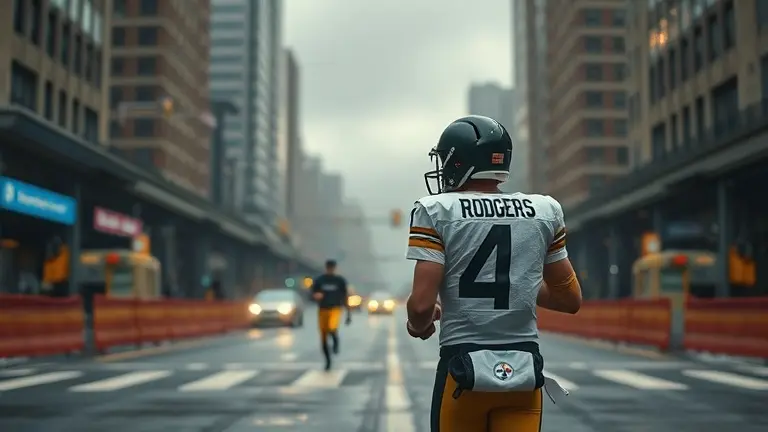
Pittsburgh is bracing for an unprecedented collision of worlds. As the city transforms into the epicenter of the 2026 NFL Draft, residents and fans are facing a dual-front challenge: navigating a sprawling web of logistical road closures and dissecting the suffocating uncertainty surrounding Aaron Rodgers. With the 42-year-old quarterback’s 22nd season hanging in the balance, the silence from the organization—coupled with Art Rooney II’s steady, patient stance—has turned every draft prediction into a high-stakes guessing game that reaches far beyond the playing field.
This isn’t just a matter of roster management; it is a profound dilemma for Head Coach Mike McCarthy and the entire front office as they balance immediate draft necessities against the looming potential for a total pivot. For the average fan, the frustration of city traffic is compounded by the mental exhaustion of tracking fluid ‘What-If’ scenarios. In this guide, we cut through the noise to help you survive the logistical mayhem and provide a definitive analytical framework for how this draft strategy shifts the moment the final decision is rendered on Rodgers’ future.
The Perfect Storm: Hosting the 2026 Draft Amidst the Rodgers Saga
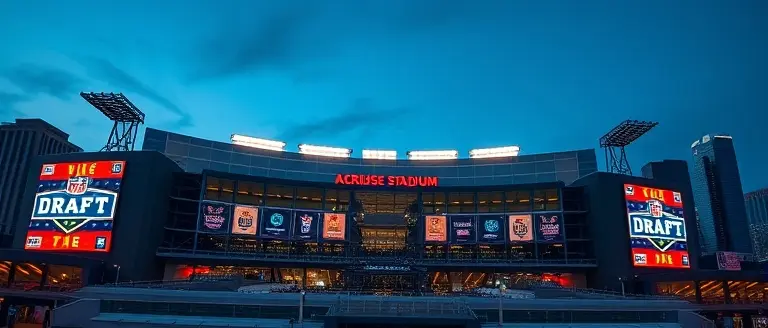
Pittsburgh finds itself at the epicenter of the NFL universe this week, navigating a dual-track reality that balances the logistical heavy lifting of hosting the 2026 NFL Draft with the high-stakes internal drama surrounding Aaron Rodgers. As the city undergoes significant infrastructure shifts—including widespread road closures to accommodate massive crowds—the Pittsburgh Steelers front office is operating under a unique pressure cooker. Head Coach Mike McCarthy and the organization remain in a holding pattern, forced to finalize a draft board that could look drastically different depending on whether the 42-year-old signal-caller commits to his 22nd professional season or opts for retirement.
The Rooney Philosophy and Personnel Uncertainty
Team owner Art Rooney II has maintained a public stance of measured patience, acknowledging the frustration inherent in the current “will-he-won’t-he” scenario. During recent media briefings, Rooney emphasized that while the organization is eager for a resolution, they remain respectful of the veteran quarterback’s process. However, behind closed doors, the implications for the Steelers’ draft strategy are profound. Management is currently balancing two distinct roster-building philosophies:
- Win-Now Contingency: If Rodgers returns, the front office is expected to prioritize immediate impact players—specifically offensive line reinforcements and secondary depth—to capitalize on a shrinking championship window.
- The Transition Plan: Should Rodgers retire, the team must shift focus toward potential quarterback prospects or veteran bridge options, necessitating a complete pivot in their draft-day capital management.
Logistical Challenges Meet Strategic Planning
The frenzy in the Steel City extends beyond the meeting rooms. As the local community manages the logistical ripple effects of hosting one of the league’s most anticipated events, the team’s internal communication has become the subject of national scrutiny. The convergence of civic disruption and personnel instability means that every move made by McCarthy and his staff is being dissected under a microscope. For the Steelers, the coming days are not just about securing future talent; they are about maintaining stability during a period of unprecedented organizational uncertainty.
Pittsburgh Draft Week Survival Guide: Navigating the Steel City
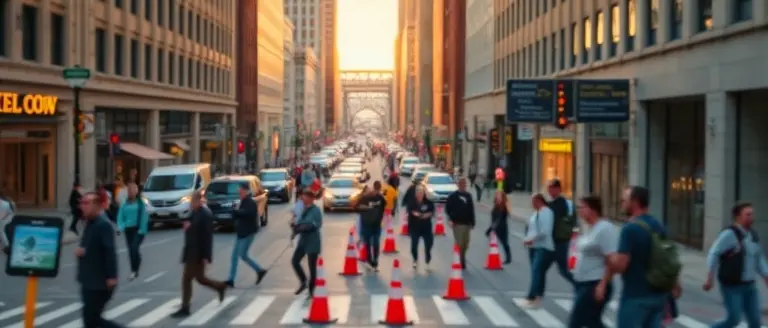
As the Pittsburgh Steelers prepare to host the 2026 NFL Draft, the city is bracing for an unprecedented influx of fans. With major infrastructure adjustments and downtown road closures now in effect as of April 22, navigating the Steel City requires careful planning. To ensure a seamless experience, attendees should prioritize public transportation and real-time logistical tracking over traditional driving routes. Expect significant congestion around the central event zones; authorities have identified 17 key road closures that will effectively isolate much of the downtown core from private vehicle traffic.
Navigating Road Closures and Transit
The city’s infrastructure overhaul is designed to manage high-density pedestrian flow, but it creates a challenging environment for commuters. To avoid gridlock, fans are strongly encouraged to utilize the Port Authority’s expanded transit services. The “T” light rail remains the most efficient artery for reaching the draft festivities, particularly if you are arriving from the South Hills or North Shore.
- Avoid Private Vehicles: With 17 primary road closures documented, parking will be non-existent within the inner downtown radius.
- Utilize Public Transit: Leverage the light rail and designated shuttle services, which have been rerouted to bypass major construction zones.
- Plan for Security Checkpoints: Anticipate extended screening times at entry points; aim to arrive at the venue at least two hours before the start of each draft round.
- Real-Time Updates: Monitor official city alerts and local sports updates to track last-minute shifts in traffic patterns or public transport capacity.
Balancing the excitement of the 2026 NFL Draft with the logistical realities of a host city requires patience. While the front office and Head Coach Mike McCarthy finalize their draft board strategies, fans should adopt a “transit-first” mindset. By strictly avoiding the closed-off downtown arterial roads and embracing the city’s public transit network, you can focus on the high-stakes personnel decisions—and the ongoing uncertainty regarding Aaron Rodgers—that are currently defining the Steelers’ future in this pivotal year.
The Contingency Playbook: Drafting Without a Guaranteed QB1
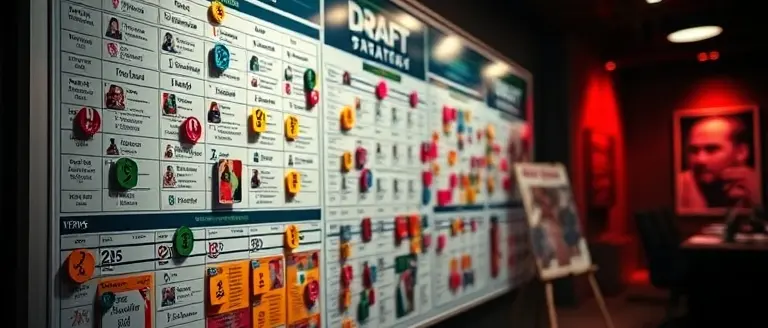
As the Pittsburgh Steelers prepare to host the 2026 NFL Draft, the front office faces an unprecedented strategic crossroads. Head Coach Mike McCarthy and the organization are operating with a bifurcated “Big Board,” dictated entirely by the silence of 42-year-old quarterback Aaron Rodgers. With team owner Art Rooney II expressing a public willingness to wait, the Steelers are effectively drafting in a vacuum, balancing a “win-now” Super Bowl window against the existential need for a franchise successor. If Rodgers commits to a 22nd season, draft capital will likely be funneled toward elite defensive depth and offensive line reinforcements designed to shield the veteran. Conversely, should he opt for retirement, the team’s strategy must pivot instantaneously toward aggressively pursuing a high-upside rookie signal-caller or veteran bridge options.
Strategic Shifts: The “Rodgers-In” vs. “Rodgers-Out” Scenarios
The team’s internal deliberations involve high-stakes contingency planning that changes the value proposition of every pick. To navigate this uncertainty, the Steelers are utilizing two distinct draft profiles:
- The “Win-Now” Mandate: If Rodgers returns, the Pittsburgh Steelers will likely prioritize plug-and-play starters. The focus shifts to immediate impact players who can shore up roster weaknesses, effectively ignoring the quarterback position in the early rounds to capitalize on the final years of an icon’s Hall of Fame career.
- The “Successor” Pivot: In the event of Rodgers’ retirement, the front office must reconcile the immediate talent gap. This scenario necessitates trading up for a blue-chip quarterback prospect or reallocating draft resources to secure a high-floor developmental starter.
Evidence suggests that McCarthy is prioritizing versatility, drafting prospects capable of evolving into core pieces regardless of who is under center. This “position-agnostic” approach ensures that while the QB1 status remains fluid, the team continues to build a foundational roster that can sustain success despite the uncertainty of the veteran’s potential departure. The front office’s ability to remain agile during this period will define the success of the franchise for the remainder of the decade.
Post-Decision Fallout: How the 2026 Draft Shapes the Future
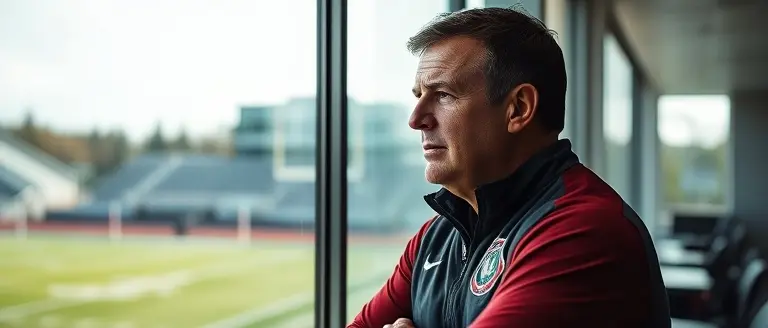
The Pittsburgh Steelers currently stand at a structural crossroads that extends far beyond the typical pressures of hosting the 2026 NFL Draft. As the organization awaits a definitive decision from 42-year-old quarterback Aaron Rodgers, the front office—led by Mike McCarthy and supported by the steady hand of Art Rooney II—is executing a dual-track strategy. This approach forces a precarious balance: preparing for the immediate demands of a potential championship window while simultaneously acknowledging that the “all-in” culture requires a robust contingency plan if the franchise’s signal-caller decides to retire after his 21st season.
Navigating the Transition Era
The draft board priorities, as analyzed by experts at The Athletic, suggest that the Steelers are not merely looking for immediate impact players but are carefully selecting prospects capable of anchoring the team regardless of who occupies the pocket. Should Rodgers decline a 22nd season, the draft strategy must pivot instantly toward a transitional phase. Analysts note that the team’s long-term success depends on how McCarthy integrates young talent into a system that has long been predicated on veteran leadership. The fallout of this decision dictates two distinct paths for the organization:
- The Aggressive Pivot: If Rodgers retires, look for the front office to trade up for high-ceiling, day-one starters to immediately support a young, unproven quarterback.
- The Legacy Maintenance: If Rodgers returns, the draft will likely favor high-floor contributors and depth pieces designed to maximize the final years of the existing core.
By prioritizing flexibility, the Steelers’ management is attempting to insulate the team from the volatility of a star player’s late-career decision-making. Whether the draft serves as a final push for a ring or the foundation for a total rebuild, the decisions made this week in Pittsburgh will echo through the next decade of franchise history. The reliance on veteran stability is being tested, and the outcome will define the Rooney-McCarthy era’s legacy in managing both personnel and prestige.
Mastering the Chaos of Draft Week
As Pittsburgh prepares to host the NFL Draft, the city stands at the intersection of logistical intensity and monumental organizational transition. Between the gridlock on our streets and the gridlock in the front office regarding Aaron Rodgers’ future, staying ahead of the narrative requires more than just passion—it requires peak cognitive performance. Whether the team pivots to a new era or holds its breath for a 22nd season, the coming days will demand the sharpest analytical mind from every member of the Steeler Nation.
Navigating these high-stakes ‘What-If’ scenarios is mentally taxing. Just as Coach McCarthy and the front office need absolute clarity to finalize their board, you need a focused edge to parse through the noise of draft speculation and evolving contingency plans. We have found that the most dedicated fans aren’t just watching the game; they are managing the complex data behind it, and that requires a cognitive strategy that keeps the mind clear and resilient against the pressure of this historic week.
To maintain your edge and stay ahead of the evolving Steelers’ draft strategy, it is time to sharpen your focus. By integrating a proven cognitive support routine, you ensure that you aren’t just a spectator, but a sharp, informed observer ready for whatever the front office decides. Optimize your mental performance today and prepare for the most unpredictable draft in our history.
 Optimize your focus for the upcoming draft weekend—click here to integrate the 12-minute Brain Song routine into your daily preparation.Yes, I Want This Now!