

The atmosphere at the Santiago Bernabéu on Tuesday was thick with tension, a direct byproduct of the crushing Champions League exit that continues to haunt the halls of Real Madrid. With manager Álvaro Arbeloa’s future hanging by a thread, the match against Deportivo Alavés was meant to be a statement of intent. Instead, it unfolded as a frustrating mirror of the team’s ongoing identity crisis. While Alavés arrived fighting tooth and nail to stave off the looming threat of relegation, Real Madrid’s disjointed performance raised more questions than it answered, leaving supporters and pundits alike to dissect a result that feels like a tipping point for the club’s leadership.
This analysis moves beyond the surface-level frustration to examine the tactical breakdown that defined this encounter. As we evaluate the failure to control the pitch and the lingering concerns regarding the squad’s physical health, it becomes clear that the issues run deeper than just one result. For the serious observer, understanding the intricate failures of this 90-minute struggle requires more than just passion; it demands a high level of analytical clarity to truly see the patterns beneath the chaos.
Real Madrid vs. Alavés: A High-Stakes Clash Amidst Crisis
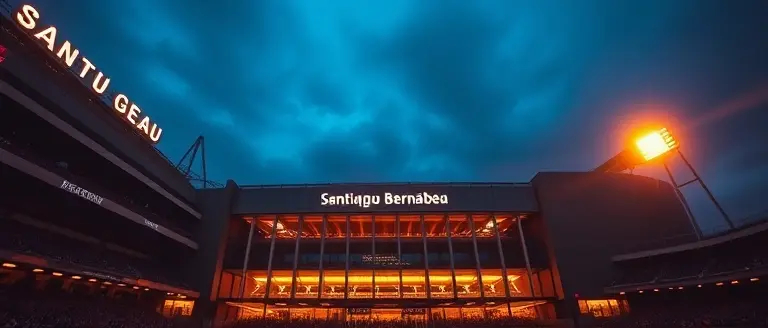
The atmosphere at the Santiago Bernabéu for the April 21, 2026, Real Madrid – Deportivo Alavés fixture was thick with tension, defined less by celebration and more by a desperate search for redemption. Entering the match, the home side was reeling from a gut-wrenching Champions League elimination, a result that cast a long shadow over the remainder of their season. The pre-match discourse centered heavily on manager Álvaro Arbeloa, whose tactical future had become a subject of intense media scrutiny and fan unrest. With the club’s institutional stability in question, the pitch became a proving ground where Arbeloa had to navigate not only the opposition but the volatile expectations of a restless Bernabéu crowd.
Differing Stakes: Title Ambitions vs. Survival
While the focus remained on the hosts’ internal turmoil, the gravity of the match for the visitors was equally profound. Deportivo Alavés arrived in Madrid fighting for their very existence in La Liga, sitting precariously near the relegation zone. Every point earned at this stage of the campaign represented a lifeline in their battle for survival.
The pressure was multifaceted, manifesting in several ways during the build-up:
- Squad Fragility: The absence of Thibaut Courtois due to a late injury setback forced a reshuffle in the backline, further exposing the team’s lack of defensive cohesion during this high-stakes period.
- Managerial Scrutiny: Persistent rumors regarding Arbeloa’s potential exit intensified the spotlight on team selection, as fans questioned his ability to stabilize the locker room after the European exit.
- Desperation vs. Duty: Alavés approached the match with a clear tactical mandate: absorb the pressure of a wounded giant and capitalize on the inevitable gaps left by a Real Madrid side struggling to regain its rhythm.
This encounter, categorized as a pivotal clash in the 2025-26 La Liga season, transcended a simple three-point pursuit. For Madrid, it was about restoring pride; for Alavés, it was a fight against the drop. The resulting performance served as an immediate stress test for a coaching staff under fire and a squad clearly feeling the weight of an unexpectedly turbulent campaign.
Tactical Breakdown: Arbeloa’s Strategic Choices Under Fire

The Real Madrid vs. Alavés clash at the Santiago Bernabéu served as a litmus test for manager Álvaro Arbeloa following the club’s crushing Champions League elimination. Faced with mounting pressure, Arbeloa opted for a high-pressing, aggressive formation intended to dominate possession; however, the lack of Thibaut Courtois—who suffered a late injury setback—exposed significant vulnerabilities in the defensive transition. Evidence suggests that while the attacking setup was intended to silence critics, it left the backline dangerously isolated against the swift counter-attacks deployed by an Alavés side desperate to climb out of the relegation zone.
Strategic Failures and Defensive Fragility
Arbeloa’s decision to maintain an extremely high defensive line invited chaos during Alavés’s transitional play. Without the authoritative presence of their primary goalkeeper, the communication within the back four appeared fractured. Key observations regarding the tactical setup included:
- Midfield Imbalance: The pivot roles were frequently overwhelmed as the midfield lacked the necessary recovery pace to track back against Alavés’s rapid wingers.
- Substitution Timing: Arbeloa’s late-game tactical shifts aimed to secure the result, but his bench management was criticized for being reactive rather than proactive. Withdrawing creative outlets for defensive reinforcements late in the match failed to stabilize the team, instead ceding control of the ball.
- Systemic Rigidity: Rather than adjusting to the specific threat posed by Alavés, the team remained committed to a high-risk system that has shown diminishing returns in recent weeks.
The result of the Real Madrid – Deportivo Alavés encounter further highlights the disconnect between the manager’s tactical intent and the current squad’s ability to execute under pressure. As Real Madrid vs. Alavés concludes, the ongoing debate centers on whether Arbeloa possesses the tactical flexibility to adapt his system, or if his insistence on a singular, vulnerable style will continue to invite danger against lower-table opponents fighting for their survival.
Alavés’s Gritty Fight for Survival
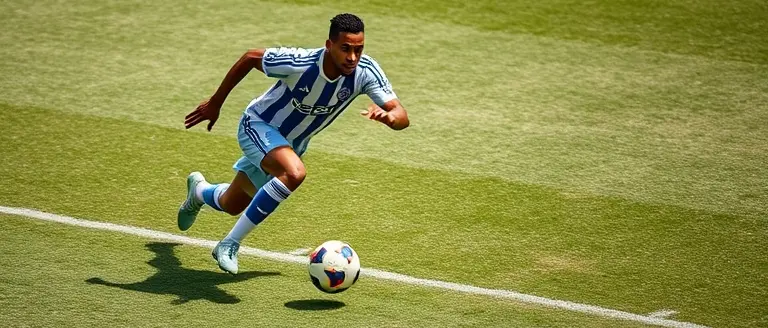
Coming into the Santiago Bernabéu, Deportivo Alavés arrived with a clear tactical mandate: exploit the psychological fragility of a Real Madrid side reeling from a demoralizing Champions League elimination. By maintaining a disciplined, low-block defensive structure, the visitors successfully neutralized Madrid’s high-tempo transitions, forcing the hosts into stagnant possession. This strategic approach highlights a newfound resilience in the Alavés squad, which has been necessary to keep their La Liga survival hopes alive. By capitalizing on Real Madrid’s lack of cohesion, particularly in the absence of key starters like Thibaut Courtois, the Basque side demonstrated that they possess the defensive organization required to steal points from top-tier opponents during this high-stakes relegation scrap.
Impact on the Relegation Battle
The performance in the Real Madrid vs. Alavés fixture serves as a massive morale booster for a team fighting to avoid the drop. The ability to frustrate a titan like Los Blancos on their home turf provides more than just a point; it provides evidence that the squad can execute a tactical game plan under extreme pressure.
- Defensive Tenacity: The backline remained compact, effectively stifling the space usually afforded to Real Madrid’s creative playmakers.
- Tactical Discipline: By disrupting the rhythm of the game, Alavés forced Álvaro Arbeloa’s men into repetitive, uninspired attacking patterns that played right into the visitors’ hands.
- Survival Implications: Every point earned in this Real Madrid vs. Alavés matchup is critical as the season reaches its climax. With other relegation-threatened sides faltering, this result creates a necessary cushion in the standings, proving that Alavés is more than capable of competing against elite teams to secure their spot in the top flight for another year.
Ultimately, this gritty display suggests that while the road to safety remains arduous, Alavés has found the collective steel required to survive the final weeks of the 2025-26 campaign.
Bernabéu Reactions: The Sentiment Toward Management

The atmosphere at the Santiago Bernabéu during the Real Madrid vs. Alavés clash was thick with tension, reflecting a fanbase still reeling from the club’s recent Champions League exit. Following the high-stakes match, social media platforms and stadium chants provided a clear window into a fractured Madridista community. Much of the discourse centered on manager Álvaro Arbeloa, whose tactical decisions continue to be scrutinized under the weight of mounting expectations. While a segment of the supporters remains fiercely loyal, citing the necessity of a transitional period, the vocal majority has grown increasingly restless regarding the lack of squad fluidity and the apparent disconnect between the dugout and the starting XI.
The Divide in the Stands
The sentiment toward management can be categorized into two distinct, conflicting ideologies:
- The “Immediate Change” Faction: These supporters argue that the tactical stagnation witnessed in Real Madrid – Deportivo Alavés is a symptom of deeper managerial shortcomings. For this group, the inability to secure a dominant victory—compounded by injury woes like the absence of Thibaut Courtois—signals that the current coaching staff is ill-equipped to lead a club of Madrid’s stature.
- The “Patience and Transition” Advocates: Conversely, a measured group of fans points to the inherent volatility of rebuilding. They emphasize that judging Arbeloa solely on the aftermath of a Champions League collapse fails to account for the necessary squad adjustments required for long-term sustainability.
Ultimately, the match against Real Madrid vs. Alavés did little to quell the skepticism. Instead, it served as a crucible for fan frustration, highlighting a desperate need for consistent results. Whether the club hierarchy chooses to prioritize continuity or bowing to the mounting pressure for a tactical overhaul remains the defining question of the 2025-26 season. As the campaign nears its conclusion, every point dropped against relegation-fighting teams like Alavés further emboldens those calling for a new direction at the helm.
Unlocking Clarity Amidst the Bernabéu Chaos
In the aftermath of the Real Madrid vs. Alavés clash, the takeaway is stark: the team is caught in a cycle of tactical uncertainty that Arbeloa has yet to solve. Whether it is the lack of defensive structure or the fatigue lingering in a depth-starved squad, the Santiago Bernabéu is currently a pressure cooker that demands a surgeon’s precision to understand. Just as the players need sharp tactical awareness to overcome the pressure of a relegation-fighting opponent, you require mental clarity to truly dissect these complex tactical shifts without succumbing to the noise of sensationalist headlines.
Analyzing high-stakes football requires significant cognitive bandwidth, yet the modern digital environment is often plagued by mental fog that hinders deep, critical evaluation. This is where The Brain Song becomes an essential tool for the dedicated football analyst. By sharpening your focus and clearing away the distractions, it allows you to process the intricate tactical failures and shifting team dynamics with newfound precision. We are positioning this as the premier mental performance tool for the serious analyst who refuses to settle for superficial hot takes and instead demands a deep, professional-level breakdown of match outcomes.
If you want to elevate your understanding of the game and stop simply watching, but actually *seeing* what is happening on the pitch, you need the right support for your cognitive health. Take control of your analytical potential and refine the way you interpret every substitution, tactical tweak, and managerial decision.
 Sharpen your analytical edge and clear the mental fog—listen to The Brain Song to elevate your focus.Yes, I Want This Now!