

The tech world was sent into a flurry of analysis on April 20, 2026, as Apple officially confirmed a leadership shift that has been the subject of intense speculation for years. After a transformative 15-year tenure that redefined the company’s financial and operational landscape, Tim Cook announced he will be stepping down as CEO. Succeeding him is John Ternus, the long-time head of hardware engineering, a decision that signals a fundamental pivot for the Cupertino titan.
For investors, industry watchers, and the broader market, this news is more than just a personnel change—it is a clear indicator of Apple’s future strategic direction. As Apple prepares for this new chapter starting September 1, 2026, the elevation of an “engineering-lifer” like John Ternus suggests a renewed emphasis on proprietary hardware innovation. This transition is not only about replacing a CEO; it is about reshaping the product DNA of the world’s most valuable company.
In this high-stakes environment, understanding the implications of the Ternus era is critical for navigating upcoming market volatility. From the long-term prospects of AAPL stock to the potential for a deeper, hardware-centric ecosystem, this guide provides a deep dive into the changing leadership landscape at Apple.
The Apple Succession: John Ternus Named CEO

In a move that has effectively silenced years of boardroom speculation, Apple officially announced on April 20, 2026, that John Ternus, the company’s Senior Vice President of Hardware Engineering, will ascend to the role of Apple CEO. This transition marks a historic inflection point for the Cupertino giant, ending the transformative 15-year tenure of Tim Cook, who will transition to the position of Executive Chairman on September 1, 2026. The announcement brings a definitive close to the intense market guesswork that has surrounded the succession plan, a sentiment reflected by betting markets like Polymarket, which had previously pegged Ternus as the clear favorite to replace Cook.
A New Era of Leadership
The shift represents more than just a change in personnel; it signals a strategic evolution for the organization. While Tim Cook solidified his legacy by scaling operations and expanding the ecosystem, John Ternus is widely regarded as a product-first leader. Having steered Apple’s hardware divisions for over two decades, his rise to the top suggests that the company may prioritize deep technological integration and hardware innovation as it navigates a competitive global landscape. Investors and analysts have reacted with interest to the news, particularly concerning how this change will influence AAPL stock performance and long-term product roadmaps.
Key takeaways from the leadership transition include:
- The Handover Timeline: The formal transfer of authority is set for September 1, 2026, ensuring a controlled and stable management migration.
- Strategic Continuity: By promoting an internal veteran with 25 years of experience at Apple, the board is signaling a commitment to cultural stability rather than radical disruption.
- Executive Realignment: Tim Cook’s move to Executive Chairman ensures that his expertise remains accessible to the executive team, likely helping to mitigate potential volatility in Apple stock throughout the transition period.
As market participants analyze the implications of this change, the consensus remains that Ternus’s deep engineering roots will be the defining characteristic of his tenure, contrasting with Cook’s legendary operations and finance-driven leadership style.
Who is John Ternus? A Biographical Breakdown

John Ternus has long been the linchpin of Apple’s product development, serving as the Senior Vice President of Hardware Engineering before his appointment as the successor to current Apple CEO Tim Cook. With a tenure at the company spanning over 25 years, Ternus is widely regarded as an “Apple lifer” who understands the intricate DNA of the Cupertino giant. Unlike leaders who rose through finance or marketing, Ternus is an engineer at heart. He joined the company in 2001 and steadily climbed the ranks, eventually taking the helm of the Hardware Engineering division in 2021. His reputation within the company is that of a steady, collaborative, and hyper-focused leader who prioritizes technical excellence over administrative bureaucracy.
A Track Record of Hardware Excellence
Ternus’s influence on the modern Apple ecosystem cannot be overstated. He has been the primary architect behind many of the company’s most successful hardware transitions, playing a critical role in the evolution of the iPhone, iPad, and the Mac. His recent leadership in the industry-defining shift to Apple Silicon solidified his position as the “heir apparent” in the eyes of the board and internal stakeholders. By successfully overseeing the transition away from Intel processors, he demonstrated the technical rigor and strategic vision necessary to steer AAPL into its next chapter.
Key milestones that defined his rise include:
- The Mac Transition: Leading the engineering teams responsible for the M-series chips, which fundamentally improved the performance and energy efficiency of the Mac lineup.
- Product Reliability: Overseeing hardware architecture across multiple generations of devices, ensuring that quality standards remained high despite massive global production scales.
- Strategic Continuity: Aligning engineering goals with the company’s broader mission, ensuring that innovations in hardware directly enable the software and service ecosystem that currently bolsters Tim Cook’s net worth and the company’s overall valuation.
As the company prepares for the transition on September 1, 2026, the selection of Ternus suggests a commitment to product-led growth. Investors tracking the apple stock outlook should note that Ternus represents a shift toward a more engineering-centric leadership style, signaling that Apple will likely double down on hardware innovation as its primary competitive moat in the coming decade.
The Future of Apple: Hardware Innovation Under New Leadership
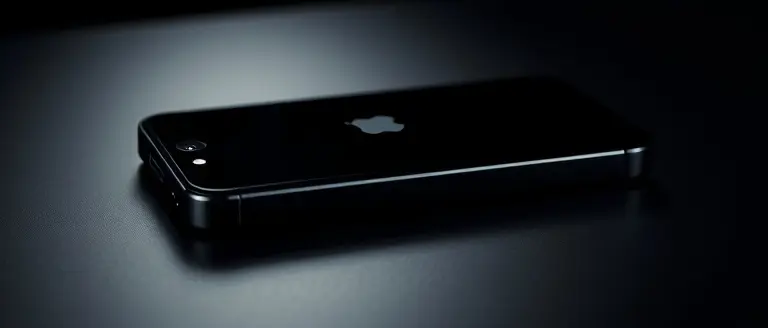
The elevation of John Ternus to the role of Apple CEO marks a pivotal shift in the company’s strategic DNA. While Tim Cook successfully transitioned the firm into a services and ecosystem powerhouse, the appointment of a long-time hardware veteran signals a potential return to the company’s roots: engineering-led product innovation. Investors and analysts expect Ternus to leverage his 25-year tenure to sharpen Apple’s competitive edge in proprietary silicon and hardware design, areas that have defined his leadership as the former Senior Vice President of Hardware Engineering.
Engineering-Centric Strategy
Under Ternus, the trajectory for AAPL product cycles appears poised for a deeper commitment to internal technological breakthroughs rather than incremental updates. His track record overseeing the development of the M-series chips and the latest iterations of the iPhone suggests that the “Ternus era” will likely prioritize:
- Silicon Dominance: Accelerating the development of next-generation custom processors to maintain a performance gap over industry rivals.
- AR/VR Integration: A potential streamlining of hardware form factors for augmented reality devices, moving them closer to everyday, consumer-grade wearables.
- Ecosystem Tightening: Using superior hardware integration as the primary moat to drive adoption across the Apple services portfolio.
A Pivot or Evolution?
Markets tracking the transition have noted that Ternus is not merely an engineer but a stabilizer who understands the logistical scale required to maintain Apple’s massive supply chain. Unlike a complete pivot into speculative new hardware categories, current evidence suggests a “back-to-basics” approach where hardware excellence serves as the foundation for future software and service growth. By placing an engineer at the helm, the board has signaled that while the financial health of the company remains paramount, Apple’s long-term market leadership will be sustained by its ability to deliver superior physical devices. This leadership philosophy is expected to keep Apple stock focused on R&D-driven value creation as the company heads toward the official September 1, 2026, transition date.
Investor Transition Guide: Navigating Big Tech Leadership Changes

The announcement that John Ternus will succeed Tim Cook as Apple CEO on September 1, 2026, marks a pivotal moment for AAPL shareholders. In the world of Big Tech, leadership successions often trigger short-term market volatility as institutional investors recalibrate their risk models. However, historical data suggests that internal promotions—where the successor is already deeply embedded in the company’s operational DNA—tend to result in greater long-term price stability compared to external hires. Because Ternus has been a staple of Apple’s hardware engineering for 25 years, his transition is perceived by the market as a vote for continuity rather than a radical pivot.
Analyzing Leadership Handovers and Market Sentiment
When evaluating a transition of this magnitude, investors should look for specific indicators of stability. Evidence suggests that markets react favorably when the outgoing leader maintains a presence, as is the case with Tim Cook transitioning to Executive Chairman. This structure provides a “bridge of credibility,” ensuring that strategic initiatives remain aligned while providing the new CEO with experienced support.
Key factors that typically influence Apple stock performance during this transition period include:
- Operational Continuity: Unlike external appointments, an internal promotion like that of John Ternus minimizes “strategy drift,” keeping the focus on established product roadmaps.
- Institutional Confidence: Major index funds and institutional investors value board-backed successions, as they reduce the likelihood of activist shareholder interference.
- The “Cook Premium”: While the Tim Cook net worth and his legacy of scaling the company’s service ecosystem are immense, the market is now shifting focus toward how Ternus’s engineering-first approach will influence the next generation of hardware.
Strategic Implications for Shareholders
For investors monitoring AAPL, the months leading up to September 1, 2026, will likely be defined by “wait-and-see” volatility. Financial sentiment on platforms like Reddit and within major banking research notes emphasizes that the market is currently pricing in the transition as a low-risk event. Investors should monitor quarterly earnings calls closely for shifts in R&D spending, which will serve as a proxy for how Ternus intends to reshape the firm’s technological priorities. By focusing on his hardware-centric background, shareholders can better anticipate whether future product cycles will lean toward iterative refinement or experimental innovation.
“,introducao:
As Apple prepares for this historic leadership pivot, the transition from Tim Cook to John Ternus signals a definitive shift toward an engineering-first strategy. While the market anticipates how this hardware-focused vision will translate into future product cycles and stock valuation, investors and tech enthusiasts must remain sharp to navigate the complexities ahead. The ability to parse financial data, track R&D shifts, and maintain a clear perspective during this period of transition will be the defining factor for success.
In this volatile landscape, your greatest asset is your own cognitive focus. Just as Apple requires precision at the executive level, you need peak mental clarity to analyze these market developments and capitalize on the shifts in the tech sector. This is where The Brain Song serves as your essential tool for mental performance, allowing you to cut through the information noise and process critical strategy updates with ease.
By integrating a proven mental optimization routine, you can sharpen your decision-making capacity and maintain the analytical edge required by today’s high-performing investors. Do not let mental fatigue cloud your judgment during this transition.

Optimize your cognitive performance for the upcoming market shift by starting your 12-minute daily routine with The Brain Song.