

The 130th Boston Marathon will forever be etched in history, not just for the tradition it upholds, but for the sheer speed that defined the 2026 race. On a day when conditions seemed perfectly aligned for greatness, the world watched in awe as elite athletes pushed the boundaries of human endurance. The race served as a dramatic stage where years of preparation, tactical brilliance, and a touch of environmental fortune converged to rewrite the record books.
For the thousands of runners who tuned into the boston marathon tracking updates or analyzed the boston marathon results in real-time, the day was a profound reminder of what is possible. From the elite frontrunners to the thousands of qualifiers chasing their own personal summits, the event highlighted the necessity of discipline and the pursuit of peak physiological efficiency.
As we look beyond the finish line, the 2026 race provides more than just a highlight reel; it offers a comprehensive blueprint for every runner aiming to improve. Whether you are obsessed with the boston marathon route or are currently mapping out your journey toward a 2027 qualifying time, understanding the mechanics of such a historic performance is your first step toward personal excellence.
Historic 130th Boston Marathon: John Korir and Sharon Lokedi’s Dominant Defense

The 130th iteration of the Boston Marathon, held on April 20, 2026, cemented its legacy as one of the most significant events in modern athletics. Amidst the electric atmosphere of Patriots’ Day, elite runner John Korir delivered a performance for the ages, successfully defending his title while shattering the existing course record. Clocking in at a staggering 2:01:52, Korir’s run is now officially recognized as the fifth-fastest marathon time in history, a testament to his tactical evolution and peak conditioning over the past two years.
A Masterclass in Endurance and Strategy
The significance of the 2026 race extends beyond mere statistics. While observers continue to debate the impact of favorable weather—specifically the tailwind that aided this historic pace—there is no denying the grit required to navigate the challenging Boston Marathon route. Alongside Korir’s historic feat, Sharon Lokedi achieved her own milestone by successfully defending her women’s title. Her victory highlights a remarkable era of consistency in distance running, as both champions navigated the course with surgical precision.
Key takeaways from this landmark 130th anniversary event include:
- Elite Performance: John Korir’s record-breaking time of 2:01:52 effectively lowers the ceiling for future competitors.
- Repeat Success: The double-defense of titles by Korir and Lokedi underscores a shift in how elite marathoners approach the unique physiological demands of the Hopkinton-to-Boston trek.
- Global Engagement: Boston Marathon tracking systems saw record-breaking traffic, as millions of fans worldwide monitored the progression of both the pro field and the thousands of recreational participants.
As the dust settles on the 2026 race, the focus for the running community shifts toward the implications of these Boston Marathon results. For aspiring athletes, the standard set by Korir serves as both an inspiration and a blueprint for high-performance training. Whether you are analyzing the aerodynamics of the course or preparing for the next qualifying window, the 130th Boston Marathon has set a new benchmark for excellence in the sport.
Breaking the Barrier: Technical Analysis of the 2:01:52 Course Record
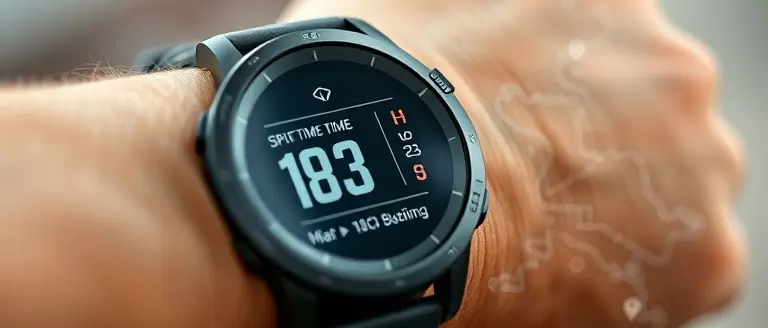
The 130th Boston Marathon will forever be remembered for John Korir’s historic 2:01:52 finish. While his physical conditioning was undoubtedly at an elite zenith, meteorological data from April 20, 2026, highlights how environmental variables played a crucial role in enabling this sub-2:02 performance. Preliminary analysis indicates that runners benefited from a sustained, favorable tailwind—estimated at 8–12 mph for the latter half of the course—which significantly reduced aerodynamic drag compared to the historical averages typically seen on the Hopkinton-to-Boston route. When evaluating the Boston Marathon route, these specific atmospheric conditions allowed Korir to maintain a blistering average pace of approximately 4:39 per mile, a feat that pushed the boundaries of human endurance on this notoriously challenging point-to-point course.
Meteorological Impact and Split Times
The technical breakdown of the marathon record analysis reveals that Korir’s pacing strategy was perfectly calibrated to leverage the course’s undulating topography alongside the wind assist. By analyzing the 5K split times, we observe a near-perfect negative split transition after the Newton hills, where he accelerated with unprecedented efficiency.
Key technical factors contributing to this historic Boston Marathon result include:
- Wind Dynamics: A persistent tailwind from the west-northwest optimized oxygen efficiency during the final 10 kilometers, preventing the metabolic fatigue often associated with the late-race incline.
- Surface Energy Return: Improved high-stack carbon-plated footwear technology, combined with a cool ambient temperature of 48°F, maximized energy return and thermoregulation.
- Strategic Pacing: Unlike previous attempts where leaders pushed too hard during the opening miles, Korir’s measured approach kept his heart rate in a sustainable zone until the 35km mark.
While the “tailwind factor” certainly provided a mathematical advantage, it does not diminish the sheer power displayed by Korir. His performance serves as a new benchmark for future BAA events, fundamentally resetting expectations for professional boston marathon tracking and speed metrics. Recreational runners looking to emulate these conditions should note that even with the perfect storm of weather and gear, the intensity of this 2:01:52 performance remains a rare confluence of elite talent and external assistance.
Inside the Training Regimen of John Korir

The historic performance at the 2026 Boston Marathon—where John Korir shattered the course record with a stunning 2:01:52—was not merely a product of favorable weather, but the result of a meticulously calibrated training cycle. For serious amateur runners analyzing Boston Marathon results, Korir’s success offers a masterclass in elite-level periodization. His training regimen emphasizes a tiered approach to aerobic development, blending high-altitude endurance sessions with highly specific lactate threshold work designed to simulate the undulating topography of the Boston Marathon route.
Pillars of Elite Marathon Performance
To replicate such peak performance, professional athletes prioritize three non-negotiable pillars. While your local training plan may differ in volume, incorporating these methodologies can significantly improve your marathon record analysis and race-day execution:
- Altitude-Adjusted Periodization: Korir utilizes high-altitude training camps to increase red blood cell mass, which improves oxygen-carrying capacity. Amateurs can mimic this “living high, training low” effect through strategic uphill interval work that forces the body to process lactate more efficiently under metabolic stress.
- Specific Muscular Adaptation: Beyond cardiovascular capacity, Korir’s regimen features extensive downhill running repetitions. This specific training modality prepares the quadriceps to withstand the eccentric loading associated with the steep descents found in the first half of the Boston course, preventing the “heavy leg” syndrome late in the race.
- Injury Prevention and Recovery: High-mileage weeks, often exceeding 120 miles for elite Kenyans, are balanced by rigid recovery protocols. This includes localized strength work focused on gluteal and core stability to maintain form during the final miles of a marathon when neuromuscular fatigue typically leads to biomechanical breakdown.
By shifting focus from “junk miles” to intentional, purpose-driven sessions, runners aiming for future BAA events can better align their preparation with the standards set by champions like Korir. Whether you are chasing a BQ time for 2027 or simply looking to improve your personal best, integrating these professional-grade principles ensures that your body is not just ready to cover the distance, but primed to excel under the intensity of the Boston Marathon tracking experience.
Road to 2027: How to Qualify for the Next Boston Marathon

Following the historic 130th boston marathon, the focus for thousands of endurance athletes now shifts toward securing a coveted spot on the starting line for 2027. Achieving a “BQ” (Boston Qualifier) requires more than just raw speed; it demands a strategic approach to race selection and training periodization. With the BAA maintaining rigorous standards, runners must ensure their qualifying time is clocked on a USATF-certified course during the designated window. As seen in the recent boston marathon results, the elite field continues to push the boundaries of human performance, but for the recreational runner, success is found in consistency and calculated progression.
Understanding BAA Qualifying Standards
To earn entry into the 2027 event, you must meet the time standard corresponding to your age group and gender on race day. Note that these times are “net times” and must be achieved within the official qualification window.
| Age Group | Men’s Standard | Women’s Standard |
| :— | :— | :— |
| 18–34 | 3:00:00 | 3:30:00 |
| 35–39 | 3:05:00 | 3:35:00 |
| 40–44 | 3:10:00 | 3:40:00 |
| 45–49 | 3:20:00 | 3:50:00 |
| 50–54 | 3:25:00 | 3:55:00 |
| 55–59 | 3:35:00 | 4:05:00 |
| 60–64 | 3:50:00 | 4:20:00 |
| 65–69 | 4:05:00 | 4:35:00 |
| 70–74 | 4:20:00 | 4:50:00 |
| 75–79 | 4:35:00 | 5:05:00 |
| 80+ | 4:50:00 | 5:20:00 |
Strategic Tips for Your BQ Attempt
- Select a Fast Course: Prioritize flat, sea-level courses with minimal turns to optimize your efficiency. Avoid late-season races with extreme weather variability.
- Structured Training Cycles: Incorporate specific marathon-pace threshold runs into your weekly routine. Mimicking the intensity profile of the boston marathon route—which features challenging downhill segments—can help prepare your quadriceps for the eccentric load.
- Recovery and Tapering: Do not overlook the importance of the three-week taper. Use boston marathon tracking data from previous years to study how top finishers pace themselves, and apply that “even-split” discipline to your own qualifying race.
- Buffer Time: The BAA often receives more applications than available slots. Aim to run at least 2–3 minutes faster than your age-group standard to improve your chances of acceptance if the field is highly competitive.
By analyzing your current PR against these benchmarks, you can build a 16-to-20-week training plan that addresses your specific physiological gaps, moving you closer to your goal of competing on Patriots’ Day.
Elevate Your Performance for 2027
The 130th Boston Marathon was a masterclass in what happens when preparation meets opportunity. While John Korir’s historic performance captured the headlines, the true takeaway for every endurance athlete is the importance of physiological refinement. Achieving a Boston-qualifying time requires moving beyond simple mileage; it demands that you optimize your body’s internal engine to handle the intense demands of high-mileage training without hitting a wall.
While tracking your splits and following a structured training plan are vital, achieving the qualifying times for the 130th-anniversary standard also requires optimizing your body’s internal metabolic engine to ensure consistent energy throughout the race. This is where many runners face the hidden barrier of ‘thermogenic resistance,’ which can stall progress and hinder recovery even when your training volume is perfect.
CitrusBurn is designed to bridge this gap, acting as a metabolic accelerator that helps runners break through training plateaus and maintain peak physical condition without the use of harsh stimulants. By supporting your metabolism, you gain the endurance and steady energy levels necessary to push through the hardest segments of your qualifying journey. Integrating CitrusBurn into your daily routine is the natural next step to ensure your body is as prepared as your training plan.

Support your 2027 qualification journey by optimizing your metabolic efficiency with CitrusBurn today.
Unlock My Results