

The landscape of the entertainment industry was irrevocably shaken following the chilling developments in the criminal case involving the artist d4vd, legally known as David Anthony Burke. On April 20, 2026, the legal trajectory of this high-profile case intensified significantly when prosecutors formally filed charges of first-degree murder, among other severe counts, related to the death of 14-year-old Celeste Rivas Hernandez.
As the case transitions from a seven-month investigation to a rigorous criminal proceeding, public interest has surged, demanding clarity amidst the chaos of breaking news headlines. The discovery of the victim’s body in the singer’s Tesla has left the community reeling and raised critical questions about the timeline of events leading up to the formal indictment by the Los Angeles County District Attorney.
Navigating the dense legal filings, special circumstances, and the harrowing details of this tragedy requires a level-headed, analytical approach. For those following the evolution of this case, understanding the facts behind the headlines is essential. We have compiled a comprehensive timeline and analysis to help you process these somber developments with the accuracy and depth they deserve.
Formal Murder Charges Filed Against David Anthony Burke (d4vd)
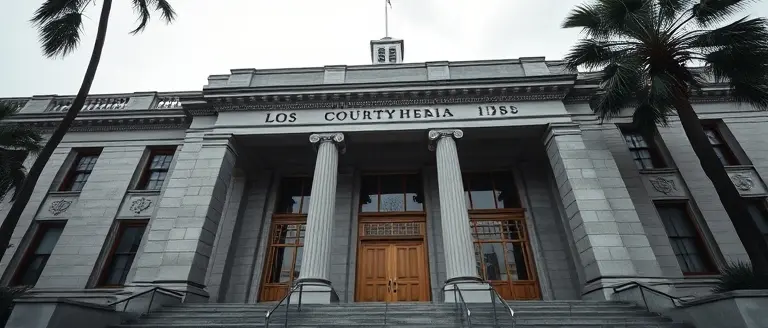
On April 20, 2026, the legal proceedings surrounding the artist known as d4vd reached a critical turning point as prosecutors formally filed charges of first-degree murder against him. David Anthony Burke, 21, faces these severe allegations following his initial arrest on April 16, 2026. The investigation, which spans a grueling seven-month period, culminated in the tragic confirmation of the death of 14-year-old Celeste Rivas Hernandez. During a high-profile press conference, the Los Angeles County District Attorney’s office detailed the gravity of the situation, noting that the victim’s remains were discovered inside a vehicle registered to the singer—a Tesla—following a lengthy search that had gripped the community.
Understanding the Legal Charges and Evidence
The prosecution’s case against David Anthony Burke is built upon a foundation of harrowing forensic evidence discovered during the investigation. According to the official statement provided by District Attorney Nathan Hochman, the charges brought against the defendant include:
- First-Degree Murder: Filed with “special circumstances,” which could lead to enhanced sentencing under California law.
- Lewd and Lascivious Acts: Specifically involving a victim under the age of 14, highlighting the predatory nature of the alleged crimes.
- Mutilation of a Body: Serious additional charges relating to the condition in which the victim was found.
The transition of this case from an ongoing investigation to a formal criminal prosecution has drawn intense national scrutiny. As the public searches for the latest d4vd update, legal experts are focusing on the implications of the “special circumstances” filing, which is reserved for the most egregious criminal conduct. While the discovery of Celeste Rivas Hernandez’s body has left the public searching for answers, the current focus of the judiciary remains on the rigorous documentation of evidence. The d4vd mugshot and subsequent booking photos have circulated widely, serving as a stark visual marker of the shift from his public persona to the status of a defendant in a major criminal proceeding. The court is now preparing for the preliminary hearings, where the timeline of events will be scrutinized further to ensure justice for the victim and her family.
Understanding the Legal Charges and ‘Special Circumstances’

Following the formal filing on April 20, 2026, the legal case against David Anthony Burke, professionally known as d4vd, has moved into a critical phase within the California criminal justice system. Los Angeles County District Attorney Nathan Hochman has leveled severe allegations against the artist, primary among them being first-degree murder. Under California Penal Code, this charge requires proof of premeditation and deliberation, or that the killing occurred during the commission of a specific, inherently dangerous felony. The prosecution’s inclusion of special circumstances elevates the potential sentencing severity significantly, as these findings are required to pursue life without the possibility of parole or, in specific contexts, capital punishment.
Defining Special Circumstances in the Case
The term “special circumstances” refers to specific factors that, when attached to a first-degree murder charge, alter the legal landscape of the proceedings. In the case involving the death of Celeste Rivas Hernandez, the prosecution has cited multiple enhancements that suggest the crime was particularly heinous. These enhancements are based on the following legal criteria:
- Felony Murder Rule: The allegation that the murder occurred during the commission or attempted commission of other serious crimes, specifically involving lewd and lascivious acts with an individual under the age of 14.
- Mutilation of a Body: Prosecutors have included charges related to the treatment of the victim’s remains, a factor that often serves as an aggravating circumstance in sentencing evaluations.
- Age-Based Protections: Because the victim was only 14, the case falls under rigorous statutes designed to protect minors from predatory violence, significantly impacting the burden of proof and the state’s strategic approach.
This d4vd update highlights the transition from an investigative phase to a formal court process. By alleging these special circumstances, the District Attorney’s office is signaling that they possess evidence suggesting the act was not only intentional but involved egregious violations of the law beyond the homicide itself. As the proceedings move forward, the legal defense will likely focus on the validity of the evidence gathered during the seven-month investigation, including forensic details recovered from the vehicle in question. All parties involved, including the family of Celeste Rivas, are now awaiting the preliminary hearing, which will determine if there is sufficient cause for the case to proceed to trial.
Timeline of the Investigation: From Discovery to Prosecution
The criminal investigation involving David Anthony Burke, professionally known as d4vd, represents a complex legal process that has unfolded over several months. The case gained significant momentum following the gruesome discovery of 14-year-old Celeste Rivas Hernandez inside the singer’s vehicle. Law enforcement officials spent the following seven months conducting a meticulous forensic analysis of digital evidence and physical remains, which ultimately bridged the gap between an initial missing person investigation and the high-profile criminal filing seen today.
Key Milestones in the Legal Proceedings
The transition from an active investigation to formal prosecution has been marked by several critical developments:
- Initial Discovery: Authorities located the decomposed body of Celeste Rivas inside a Tesla registered to the artist, triggering an immediate and expansive multi-agency investigation.
- The Seven-Month Investigation: Throughout this period, detectives focused on gathering forensic data and verifying timelines. During this stage, public interest surged as followers sought a d4vd update regarding his whereabouts and legal standing.
- April 16, 2026: Law enforcement officials officially took the artist into custody, initiating the transition from a standard investigation to a high-profile criminal case.
- April 20, 2026: Following a formal press conference by the Los Angeles County District Attorney, David Anthony Burke was charged with first-degree murder, lewd and lascivious acts with a minor, and mutilation of a body.
The legal strategy employed by prosecutors emphasizes the “special circumstances” surrounding the death of Celeste Rivas Hernandez. These charges reflect the severity of the allegations, including claims of sexual abuse and the desecration of the victim’s remains. As the case moves forward, the focus remains on the judicial process, moving well beyond the initial shock of the d4vd mugshot and the public’s immediate reaction, as the court prepares to address the gravity of these charges.
Prioritizing Ethics in High-Profile Criminal Reporting

The formal criminal proceedings against David Anthony Burke, professionally known as d4vd, present a challenging landscape for modern media. With the recent d4vd update regarding his charges for the murder of Celeste Rivas Hernandez, the responsibility of journalists and digital platforms has never been more critical. When reporting on such high-profile cases involving extreme violence, the primary objective must remain a commitment to factual, objective discourse rather than the exploitation of the defendant’s fame. Ethical reporting necessitates a focus on the judicial process—specifically the legal implications of the “special circumstances” cited by the Los Angeles County District Attorney—while strictly avoiding the normalization of speculation or the dissemination of unverified leaks that could compromise the integrity of the trial.
Protecting the Memory of the Victim
In cases of this magnitude, the focus must shift away from the celebrity status of the accused and toward the pursuit of justice for the victim. Celeste Rivas and her family deserve a narrative that honors her memory, rather than one consumed by the morbid curiosity often associated with a d4vd mugshot or viral online discourse. Responsible journalism entails:
- Respecting Privacy: Refraining from intrusive coverage of the victim’s surviving family members, such as Jesus Rivas, during their time of mourning.
- Avoiding Sensationalism: Refusing to dwell on graphic evidence that does not serve the public’s understanding of the legal charges.
- Prioritizing Legal Accuracy: Relying exclusively on official press releases and court records to define the charges, such as the allegations of lewd acts and mutilation, to ensure the public understands the severity of the first-degree murder accusations.
By adhering to these standards, media outlets can provide a reliable d4vd update that informs the public without contributing to the harmful, sensationalist cycle that often plagues criminal reporting in the digital age. Maintaining this editorial distance is essential to ensure that the focus remains on the rule of law and the administration of justice.
Maintaining Clarity and Focus in Complex Investigations
The formal criminal charges filed against David Anthony Burke mark a sobering reality in a case that has rightfully demanded national attention. As we move through the upcoming court proceedings, our collective focus must remain centered on the pursuit of truth and the preservation of justice for Celeste Rivas Hernandez. Analyzing the layers of legal documentation, the intricacies of the “special circumstances” enhancements, and the timeline of this seven-month investigation is an emotionally and mentally demanding task that requires unwavering focus and cognitive endurance.
Deeply analyzing the intricacies of legal filings and cross-referencing years of investigative data demands a high degree of mental sharpness; many analysts and dedicated researchers use short auditory routines to clear away cognitive fatigue and maintain essential focus. In an era where information is dense and the subject matter can be overwhelming, protecting your mental clarity becomes not just a benefit, but a necessity for those tasked with tracking and understanding these complex legal developments.
The Brain Song acts as a professional-grade analytical tool, designed to support researchers and readers in mitigating mental fog and improving learning capacity during high-stress information processing. By integrating this 12-minute daily auditory routine, you empower yourself to maintain the sharpness needed to synthesize heavy news topics without the dissonance associated with standard consumer products. Elevate your analytical endurance and ensure you stay focused on what truly matters: the facts of the case.

Optimize your cognitive performance for deep-work research by incorporating this 12-minute daily auditory routine.
Unlock My Results