

The global financial landscape is currently gripped by a wave of intense anxiety as the Dow Jones stock markets futures grapple with the sudden and dangerous escalation of geopolitical tensions in the Strait of Hormuz. What was supposed to be a quiet period leading into earnings season has transformed into a high-stakes environment, with investors scrambling to decipher the real-world impact of a potential global supply chain disruption.
As oil prices spike and equity indices face sharp pullbacks, the uncertainty is palpable. The market is currently operating in a state of ‘shock,’ where traditional valuation models are momentarily sidelined by the fear-driven dynamics of a geopolitical conflict. For the sophisticated investor, distinguishing between this temporary noise and actual, fundamental opportunity has never been more vital to protecting your bottom line.
In such a volatile market, your most valuable asset isn’t just your portfolio—it’s the mental clarity required to distinguish between noise and genuine opportunity. As we navigate this period of uncertainty, understanding how to balance the ‘macro’ headlines with your ‘micro’ strategy is the only way to remain composed, rational, and prepared for the shifts that lie ahead.
Market Alert: Dow Jones and Futures Retreat Amid Strait of Hormuz Crisis
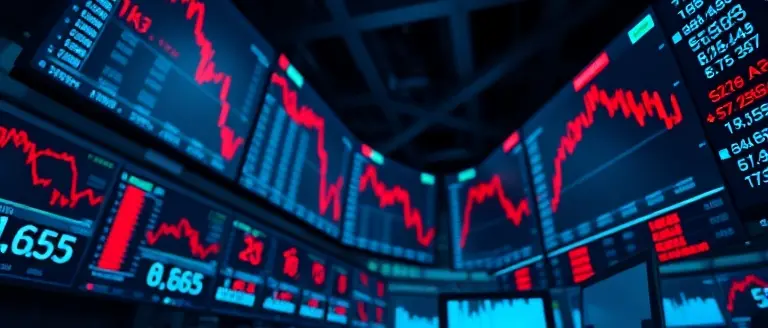
As of April 20, 2026, the Dow Jones stock markets futures have taken a sharp downturn, reflecting a sudden shift in global investor sentiment. The Dow Jones Industrial Average (DJIA) futures dropped 425 points, or approximately 0.9%, while the S and P 500 futures retreated by 0.8%. This volatility is a direct consequence of the escalating geopolitical conflict between the United States and Iran, specifically centered on the closure of the Strait of Hormuz. Following a chaotic weekend that effectively stalled peace negotiations, the “combat zone” status of this critical shipping lane has triggered a classic risk-off environment across global financial markets.
Geopolitical Shockwaves and Energy Volatility
The immediate market reaction has been heavily dictated by energy concerns, as the closure of such a vital maritime chokepoint threatens global supply chains. Consequently, oil prices have spiked by 5%, fueling concerns over inflation and operational costs for energy-intensive industries. Investors are now transitioning from the optimism that characterized the recent record-breaking rally to a posture of “renewed uncertainty.” Key takeaways from today’s market movement include:
- Geopolitical Bellwethers: Dow today is being viewed through the lens of international stability; the current pullback is classified as a volatility-driven shock event rather than a fundamental economic collapse.
- Energy Sector Impact: The surge in oil prices is placing pressure on transportation, manufacturing, and consumer-facing stocks that are sensitive to fuel surcharges.
- Institutional Sentiment: While equity futures are under pressure, market participants are keeping a close eye on the 10 year treasury yield as a definitive indicator of a “flight to safety” among institutional capital.
Navigating Earnings Amidst Instability
Despite the immediate headlines, the broader dow index remains in a position to be evaluated against upcoming earnings reports. While the current geopolitical crisis dominates the news cycle, seasoned market analysts advise looking beyond the daily price action. As earnings season commences, the divergence between real-time macroeconomic shock events and actual corporate performance metrics will be the true test for the durability of the current market rally. Investors should remain disciplined, monitoring both the volatility in index futures and the potential easing—or escalation—of tensions at the Strait of Hormuz.
Macro News vs. Micro Reality: Navigating the April 2026 Volatility

As of April 20, 2026, the Dow Jones stock markets futures are signaling a period of intense volatility, largely driven by the sudden flare-up of geopolitical tensions in the Strait of Hormuz. While the headline news—characterized by a 5% spike in oil prices and a swift decline in index futures—dominates the narrative, it is vital to distinguish between reactive “macro noise” and the “micro reality” of corporate health. Current market data shows the Dow shedding over 400 points and the S&P 500 mirroring this downward pressure; however, this movement reflects a temporary risk-off sentiment rather than a fundamental erosion of the underlying US economic landscape.
Dissecting the Divergence: Geopolitics vs. Fundamentals
Investors often mistake event-driven shocks for structural shifts in market trajectory. While the instability in Iran has rightfully captured market attention, discerning the difference between short-term panic and long-term value is critical for portfolio stability.
- Macro News (The Catalyst): The closure of the Strait of Hormuz has created immediate supply chain anxieties and energy cost spikes. This is a classic “shock” event that triggers automated selling across dow jones and broader index futures.
- Micro Reality (The Foundation): As we head into earnings season, the core focus should remain on corporate margins and guidance. If individual company fundamentals remain robust, price dips driven by geopolitical headline risks may offer tactical buying opportunities rather than signals to exit.
To navigate this volatility, keep a close watch on the 10-year treasury yield. In periods of extreme equity uncertainty, the bond market often serves as a more reliable bellwether for institutional sentiment than daily equity fluctuations. If yields shift sharply while dow today figures struggle, it may indicate a rotation into safe-haven assets. As earnings reports begin to hit the wire, investors should look past the daily volatility to assess whether corporate performance confirms the strength of the broader April 2026 rally or validates the current climate of fear.
Strategic Indicators: Watching the 10-Year Treasury Yield
As the Dow Jones and S&P 500 futures grapple with the volatility stemming from the Strait of Hormuz crisis, the 10-year Treasury yield has emerged as the most critical barometer for institutional sentiment. While retail traders often fixate on the immediate 425-point drop in dow jones stock markets futures, professional investors are scanning the bond market to determine the depth of this “flight-to-safety” move. During times of acute geopolitical instability, a falling 10-year yield typically signals a massive migration of capital out of equities and into the relative security of government debt. If yields remain suppressed despite the volatility, it serves as evidence that institutional players are bracing for a prolonged period of risk aversion rather than a mere “buy the dip” opportunity.
Investors should monitor these specific shifts in bond market dynamics to decode the broader market direction:
- The Flight-to-Safety Metric: A sharp decline in the 10-year yield often acts as a precursor to sustained selling pressure in the Dow and broader indices. It confirms that capital is prioritizing capital preservation over growth.
- Yield Curve Signaling: Monitor whether the spread between short-term and long-term bonds is widening or narrowing. A sudden shift here during this geopolitical standoff can indicate whether the market fears a recessionary impact from the oil supply shock or simply a temporary geopolitical tremor.
- Correlation Divergence: Pay close attention to days where the dow today shows recovery signs but Treasury yields do not follow suit. This divergence often highlights underlying market fragility and suggests that rallies are being driven by short-covering rather than long-term institutional conviction.
By tracking these trends, you can discern whether the current retreat is a reaction to immediate headline risk—the US-Iran conflict—or a fundamental pivot caused by fears of stagflation. As earnings season approaches, the relationship between the 10-year Treasury and equity valuations will provide the clearest signal of whether corporate performance can withstand the current energy-driven headwinds or if investors should continue to prioritize defensive asset allocations until the geopolitical picture clears.
Presidential Diplomacy and the Outlook for Market Stability

The recent announcement by President Trump regarding a renewed push for peace talks serves as the primary geopolitical variable currently influencing dow jones stock markets futures. As investors parse the potential for diplomatic de-escalation in the Strait of Hormuz, the market has transitioned into a highly reactive state where every headline dictates short-term volatility. The immediate retreat in the Dow and S and P 500 reflects an institutional “risk-off” posture; however, the trajectory of these indices will depend heavily on the perceived credibility and progress of these negotiations. If diplomatic channels stabilize the situation, we may see a quick reversal of current losses; conversely, if the blockade persists, equity futures will likely remain under sustained downward pressure.
Navigating Volatility and Portfolio Discipline
While geopolitical “shock” events often trigger knee-jerk selling, seasoned investors recognize that market direction is currently caught between macro-level instability and the looming earnings season. To maintain a disciplined strategy during this period of uncertainty, consider the following tactical focus areas:
- Monitor the 10-year Treasury Yield: Watch for a flight to safety. If yields drop further as capital flees into bonds, it validates the current market anxiety and signals that the “fear trade” remains the dominant force.
- Decouple News from Fundamentals: Distinguish between a temporary geopolitical price correction and long-term corporate performance. Strong fundamentals in upcoming earnings reports could provide the necessary floor to arrest the slide in Dow today valuations.
- Energy Sector Sensitivity: Be aware that the 5% spike in oil prices is not just a headline figure; it creates an inflationary tailwind that can compress margins for transportation and manufacturing sectors, which are heavily represented in the Dow Jones Industrial Average.
Ultimately, the outlook for market stability rests on whether diplomacy can restore the flow of commerce in the Strait of Hormuz. Until such certainty returns, expect dow jones futures to exhibit heightened sensitivity to any updates from the executive branch, making it essential for investors to maintain a balanced, long-term perspective rather than reacting to hourly news cycles.
## Sharpen Your Focus Amid Market Chaos
Ultimately, the current volatility in the stock market serves as a stark reminder that macroeconomic conditions can change in an instant. While the headlines regarding the Strait of Hormuz and the subsequent reaction in the Dow Jones continue to dominate the news cycle, the most successful investors are those who can tune out the static. Maintaining emotional stability and cognitive sharpness is not just a luxury; it is a tactical necessity when analyzing complex indicators like Treasury yields and corporate earnings reports.
Financial stress can often lead to a ‘mental fog,’ causing even experienced traders to make reactive, emotional decisions. You need a way to cut through this noise and regain the focus required to see the opportunities hidden within the volatility. This is where The Brain Song becomes an essential tool for your professional arsenal. By utilizing neuroscience-based techniques to optimize your cognitive performance, you can ensure your mind remains as sharp and resilient as your investment strategy.
By incorporating this simple, 12-minute daily routine into your pre-market analysis, you equip yourself with the mental clarity needed to process high-stakes information without succumbing to the anxiety of the daily news flow. Don’t let market-driven mental fatigue cloud your judgment during this critical earnings season. Take control of your cognitive health today and approach the markets with the calm, analytical focus of a true professional.

Optimize your cognitive performance for this earnings season by incorporating this 12-minute daily routine to sharpen your focus.