
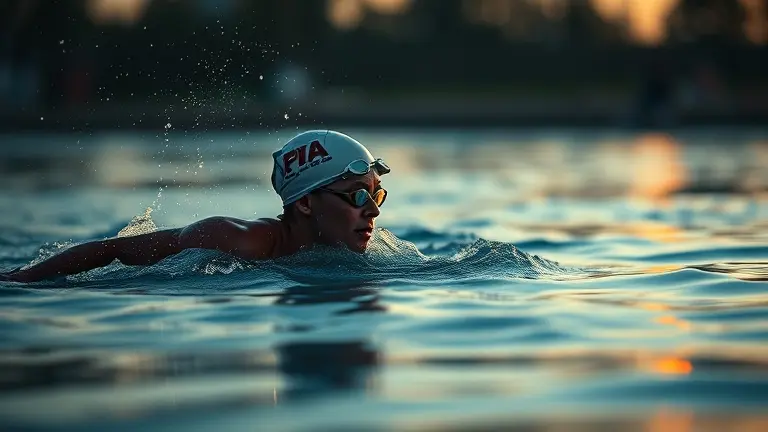
The sudden and tragic passing of Mara Flavia Araujo at the Ironman Texas competition has sent shockwaves through the global endurance sports community. As a respected triathlete and a dedicated fitness influencer, her untimely death during the swimming portion of the race at Lake Woodlands has moved beyond a simple headline, prompting a deep, necessary examination of the pressures inherent in high-endurance athletic pursuits.
While initial reports have focused on the immediate facts of the incident, the underlying conversation has shifted toward the fragile balance between ambition and bodily awareness. The fitness world is currently grappling with the reality of ‘influencer culture,’ where the drive to maintain a digital persona can sometimes inadvertently mask physiological warning signs—even when the body is clearly signaling a need for rest.
This article aims to provide a clear, fact-based perspective on the events, while exploring the vital importance of prioritizing long-term health over short-term performance. By understanding the risks associated with pushing through illness, we can foster a safer, more sustainable culture for every athlete who steps into the arena, ensuring that the passion for fitness is always grounded in the non-negotiable reality of physical safety.
The Tragic Passing of Mara Flavia Araujo: A Timeline of Events

On April 18, 2026, the sporting community was struck by the tragic loss of Mara Flavia Araujo, a 38-year-old Brazilian triathlete and prominent fitness influencer. The incident unfolded during the swimming portion of the Ironman Texas competition held at Lake Woodlands. While participants were navigating the aquatic segment of the high-endurance race, safety crews identified that Araujo had gone missing. Despite an immediate search and rescue operation initiated by event officials and local authorities, her body was later recovered from the water, and she was pronounced deceased.
Verified Details Regarding the Investigation
In the aftermath of the tragedy, speculation regarding her health status prior to the race circulated widely on social media. Reports from major outlets, including Yahoo Sports and People, have since corroborated that Araujo had been documenting her preparation for the Ironman in the days leading up to the event. The following timeline highlights the confirmed circumstances surrounding her passing:
- Pre-Race Indicators: Evidence suggests that Araujo had reported experiencing flu-like symptoms shortly before the competition, a factor that has prompted discussions regarding the physical demands of endurance sports.
- The Swimming Segment: During the early stages of the event at Lake Woodlands, she vanished from the sight of safety observers, leading to an urgent distress call.
- Official Findings: Local authorities are currently treating the death as a drowning, with no immediate evidence of foul play. The investigation remains ongoing as officials review race-day protocols.
- Social Media Impact: Much public attention has centered on her final Instagram post, which was shared shortly before she entered the water, leading many to reflect on the pressure faced by fitness influencers to maintain appearances during high-stress athletic endeavors.
As the sports community processes this loss, the focus remains on prioritizing athlete safety and the necessity of listening to one’s physical health before undertaking extreme physical challenges.
Analyzing the Risks of Participating While Unwell

The tragic passing of Mara Flavia Araujo during the Ironman Texas triathlon has reignited a critical conversation regarding the physiological dangers of competing in high-endurance events while experiencing illness. Medical experts consistently warn that performing under the strain of flu-like symptoms can drastically alter how the body manages aerobic output. When an athlete pushes through a viral infection, they place immense, often unsustainable, stress on the cardiovascular system. During a high-intensity activity like the swimming portion of an Ironman, the heart must work significantly harder to pump oxygenated blood to the muscles while simultaneously struggling to regulate core temperature and manage the systemic inflammation caused by the virus. This can lead to decreased oxygen saturation and potential cardiac distress, which are particularly hazardous in an open-water environment.
The Pressure to Perform and Athlete Health
The incident has also highlighted the complex psychological pressures surrounding the “influencer culture” within competitive sports. Athletes like Mara Flavia often feel a perceived mandate to maintain consistency, satisfy followers, or honor non-refundable race registrations despite physical warnings. This pressure can inadvertently normalize the practice of “pushing through” illness, prioritizing race participation over fundamental self-preservation. To mitigate these risks, sports organizations and athletes must emphasize the following:
- Listen to Physiological Signals: Persistent fatigue, elevated resting heart rates, or congestion are clear contraindications for high-intensity physical exertion.
- Recognize the Open-Water Variable: Unlike land-based endurance sports, swimming carries the added risk of rapid fatigue or sudden incapacitation, where even momentary physical failure can lead to drowning.
- Prioritize Long-Term Health: Professional medical opinion suggests that returning to intense activity too quickly after a viral illness significantly increases the risk of complications such as myocarditis.
- Redefining “Resilience”: True athletic resilience should be defined by the wisdom to withdraw when the body is compromised, ensuring that athletes can participate safely in future events rather than risking their lives in a compromised state.
Ultimately, the focus must shift from the stigma of “dropping out” to a culture that values medical transparency and the prioritization of personal safety above all else.
Safety Protocols in Ironman and High-Endurance Triathlon Events
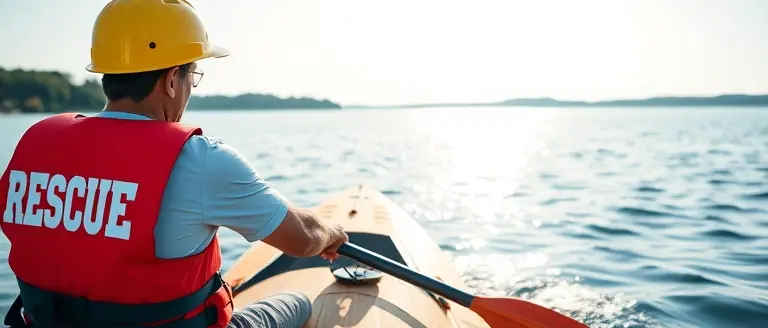
Ironman-branded events operate under stringent safety frameworks designed to mitigate the inherent risks of long-distance, open-water endurance sports. Organizers typically employ a comprehensive water safety plan that includes a vast network of lifeguards on kayaks, paddleboards, and motorized boats, strategically positioned to monitor the swim course. Before the commencement of any competition, water quality and temperature are rigorously assessed to ensure they fall within the governing body’s safety parameters. Despite these protocols, the tragic death of Mara Flavia Araujo has prompted a renewed public inquiry into the adequacy of current oversight, particularly regarding how organizers can better identify athletes who may be physically compromised by underlying health issues before entering the water.
Evolving Safety Standards and Athlete Well-being
The incident involving the popular triathlete and influencer has ignited a critical conversation within the sports community regarding the potential for evolving safety standards. Current event guidelines emphasize self-reporting for health status, but experts are now discussing whether high-stress physical events should implement more robust pre-race health screening processes. The conversation centers on several key areas for improvement:
- Mandatory Health Assessments: Exploring the feasibility of requiring medical clearance certificates for participants, especially when environmental or individual health variables, such as recent illness, are present.
- Enhanced Monitoring Technologies: Utilizing wearable tech or advanced tracking to monitor heart rate or abnormal fatigue patterns in real-time during the swimming portion.
- Influencer Culture and Accountability: Addressing the psychological pressures faced by fitness influencers to compete while unwell to satisfy the demands of their online presence.
- Stricter “Go/No-Go” Protocols: Empowering medical staff to intervene more aggressively when participants exhibit signs of physical distress during the swim, regardless of the athlete’s desire to finish.
This tragic loss serves as a somber reminder that even with professional, well-vetted safety protocols in place, the unpredictable nature of open-water endurance swimming requires both individual caution and systemic vigilance. As the industry looks toward future events, the focus will likely shift toward fostering a culture where prioritizing health over the completion of a race is not only encouraged but effectively supported by event organizers.
Prioritizing Health Over Performance: A Cultural Shift in Social Media Fitness

The tragic death of Mara Flavia Araujo during the Ironman Texas triathlon has ignited a necessary, albeit somber, conversation regarding the intersection of fitness influencer culture and extreme endurance sports. For many athletes who document their training journeys online, there is an unspoken pressure to maintain a narrative of constant progress and “no-days-off” discipline. This culture often creates an environment where physical symptoms—such as the flu-like conditions reported by some sources prior to her participation—are downplayed or ignored in favor of upholding a public commitment to a race. Moving forward, the sports community must critically examine how digital validation influences the decision-making processes of non-professional athletes, particularly when personal health is at risk.
The Dangers of Hustle Culture in Endurance Sports
The push to document every milestone of an Ironman training regimen can inadvertently mask the physiological reality of the human body. When athletes prioritize the aesthetic or social output of their training over their internal health markers, they risk pushing past sustainable limits. To ensure safety in high-stakes events like the Ironman, the industry must shift toward a model that values transparency over consistent performance.
Key considerations for athletes and influencers include:
- Transparent Recovery: Normalizing the discussion of illness and injury instead of framing them as setbacks to be “pushed through.”
- Honest Health Assessment: Recognizing that medical or viral symptoms are legitimate, non-negotiable reasons to withdraw from competitive events.
- Ethical Influence: Using social platforms to advocate for the necessity of rest days, professional medical clearance, and listening to bodily cues.
True sports performance is built on longevity, not a single finish line. By shifting the narrative from “hustle culture” to a sustainable, health-first approach, the fitness community can help prevent future tragedies and foster a culture that respects the physical reality of the human body. Promoting wellness above visibility is not only a responsible choice for influencers but a vital requirement for personal safety in high-endurance, open-water swimming and triathlon events.
A New Standard for Sustainable Athletic Vitality
The lessons from this tragedy underscore that true athletic excellence isn’t found in pushing through warnings, but in the wisdom to honor your body’s limits. We often glorify intensity, but the path to longevity requires a deep commitment to internal metabolic balance and responding to your body’s signals rather than merely hitting an external goal. Ignoring these signs can lead to the very burnout and physical danger that every athlete strives to avoid.
For those of us dedicated to fitness, maintaining health requires more than just training plans; it requires foundational support that doesn’t rely on harsh stimulants which can mask underlying fatigue. This is where a balanced approach becomes essential. By focusing on metabolic awareness, you can ensure your body functions optimally, supporting steady energy levels and fat-burning efficiency, rather than falling victim to the ‘thermogenic resistance’ that often leaves high-stress athletes feeling depleted and vulnerable.
Taking care of your metabolic health is the most important component of your training regimen. By choosing sustainable support, you empower yourself to perform better, recover faster, and stay true to your long-term health goals without unnecessary strain. It is time to shift our focus to what really sustains us—inner vitality and consistent, balanced health.

Read more about maintaining metabolic vitality and supporting your long-term health goals here.
Transform My Life Today