
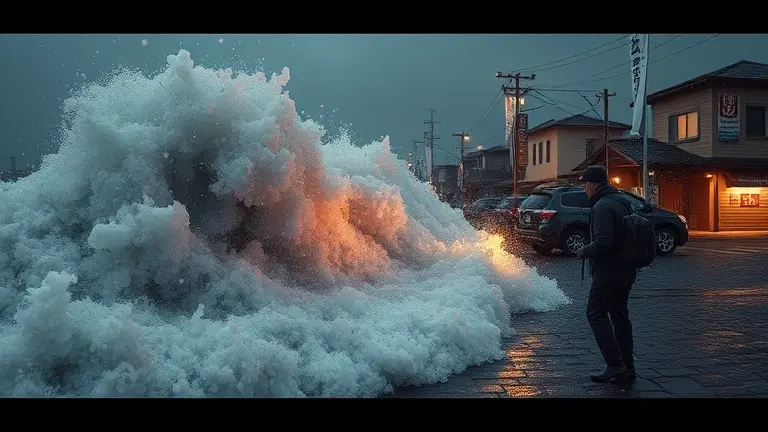
The events of April 20, 2026, have once again brought the reality of living in the Pacific ‘Ring of Fire’ to the forefront of the global conversation. When a powerful earthquake—estimated between magnitude 7.4 and 7.7—shook the waters off Japan’s Tohoku region, it triggered an immediate, high-stakes response. For thousands of residents, the familiar wail of emergency sirens marked a critical moment of decision, as the Japan Meteorological Agency (JMA) issued urgent japan earthquake tsunami warning alerts for the coastline.
While the immediate threat of a catastrophic tsunami eventually subsided following the downgrade of official warnings, the event left behind a lingering sense of vulnerability. It served as a stark, non-sensationalist reminder that for those in high-risk zones, seismic activity is an inherent part of the landscape. The success of the mass evacuations of over 182,000 people underscores the efficiency of Japan’s disaster preparedness, yet questions naturally arise: How do we move beyond reactive survival, and what practical steps can residents take to ensure their homes are as resilient as the infrastructure that protects them?
This guide aims to provide more than just a recap of the day’s events. We will delve into how Japan’s sophisticated early-warning systems successfully mitigated impact, break down the crucial differences between tsunami warnings and advisories to clarify public confusion, and outline actionable safety protocols for future events. More importantly, we will explore the transition from passive information to active structural self-reliance, helping you transform your own environment into a safer space for you and your family.
April 20, 2026: Magnitude 7.4-7.7 Earthquake and Tsunami Warning Summary
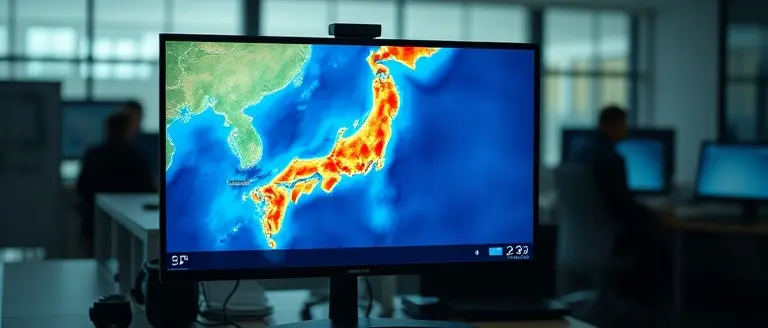
On April 20, 2026, a powerful seismic event struck off the northeastern coast of Japan, specifically impacting the Tohoku region. Initial assessments from the Japan Meteorological Agency (JMA) estimated the magnitude to be between 7.4 and 7.7. Given the intensity of the shaking and its proximity to the coastline, authorities took immediate, proactive measures to safeguard the population. The Japan earthquake tsunami warning was promptly activated, with meteorological experts forecasting potential waves reaching up to 3 meters (approximately 10 feet) in height along the affected shores.
Emergency Response and Evacuation Protocols
In response to the JMA’s urgent advisories, regional governments initiated large-scale evacuation procedures. Over 182,000 residents across multiple coastal prefectures were ordered to seek higher ground. This rapid deployment of emergency protocols reflects the refined disaster mitigation strategies Japan has adopted following historical seismic events. Key aspects of the immediate response included:
- Public Safety Orders: Immediate evacuation mandates were issued for zones identified as high-risk by the JMA.
- Infrastructure Monitoring: Authorities monitored critical infrastructure, including regional transit and utility grids, to identify potential structural damage.
- Warning Downgrades: As data streams updated, officials were able to downgrade initial tsunami warnings to lower-level advisories, reflecting a reduction in the immediate surge threat.
While there have been no reports of widespread catastrophic damage or significant casualties as of the latest updates, the situation remains fluid. Authorities emphasize that the absence of major destruction does not signal an end to all risks. Residents have been urged to maintain high levels of vigilance, as the region remains susceptible to secondary hazards such as landslides, ground instability, and potential aftershocks that typically follow a seismic event of this magnitude. Continuous monitoring by the JMA ensures that the public receives the most accurate, real-time guidance as the recovery phase begins.
Resilience in Action: How Japan’s Early-Warning Systems Mitigated Impact
The successful management of the April 20, 2026, seismic event off the coast of the Tohoku region serves as a testament to Japan’s world-leading disaster preparedness infrastructure. When the magnitude 7.4–7.7 earthquake occurred, the Japan Meteorological Agency (JMA) utilized its sophisticated Earthquake Early Warning (EEW) system to broadcast alerts across cellular networks and public broadcast systems seconds before the most intense shaking arrived. By detecting P-waves—the faster but less destructive seismic waves—the JMA provided critical lead time that allowed automated systems, including high-speed trains and industrial facilities, to trigger emergency brakes and shutdown protocols, significantly reducing the secondary risk of derailment or infrastructure failure during a japan earthquake tsunami warning event.
Engineering and Protocols in Practice
Beyond early detection, the resilience of the region is underpinned by rigorous seismic building codes and efficient social mobilization. Japan’s building standards require structures to absorb and dissipate seismic energy through base isolation systems and flexible construction materials, which remained effective during this latest event. Furthermore, the orderly evacuation of over 182,000 residents highlights the efficacy of Japan’s community-based disaster management:
- Real-time Alerts: The integration of the JMA network with mass media ensured rapid dissemination of the japan earthquakes tsunami warning status, minimizing confusion.
- Infrastructure Durability: Engineered seismic dampeners and structural reinforcement prevented the catastrophic structural failure that might otherwise occur in less prepared nations.
- Rapid Mobilization: Established evacuation routes, maintained by municipal authorities, allowed for a massive, organized exodus from coastal areas within the necessary timeframe to avoid the predicted 3-meter waves.
This layered approach—combining cutting-edge seismology with decades of civil engineering investment—ensured that despite the magnitude of the tremor, the impact on human life was significantly contained. While the region remains vigilant against aftershocks and landslides, the 2026 incident confirms that proactive investment in disaster technology remains the most effective defense against the inherent seismic risks of the Pacific \”Ring of Fire.\”
Essential Earthquake and Tsunami Safety Protocols

Recent seismic activity, including the significant japan earthquake tsunami warning event on April 20, 2026, serves as a vital reminder that preparedness is the most effective defense against nature’s unpredictability. When the ground begins to shake, immediate and decisive action is required. Experts universally recommend the \”Drop, Cover, and Hold On\” method: drop to your hands and knees, cover your head and neck with your arms, and hold on to a sturdy piece of furniture until the shaking stops. If you are outdoors, move to a clear area away from buildings, streetlights, and utility wires, which are the most common sources of injury during seismic events.
Immediate Tsunami Evacuation Procedures
When a tsunami warning is issued following a japan earthquake, time is your most precious resource. Do not wait to observe the waves; if you are in a coastal zone, move to higher ground or inland immediately. Vertical evacuation—moving to the upper floors of a reinforced concrete building—is a secondary option only if reaching high ground is impossible.
- Prioritize Elevation: Move at least 30 meters (approximately 100 feet) above sea level or move 2 kilometers (1.2 miles) inland.
- Avoid Coastal Roads: Tsunami surges can be fast and unpredictable; walking or biking is often safer than driving, as roads may be blocked by debris or congestion.
- Stay Informed: Keep a battery-powered radio or a smartphone with emergency alerts enabled to monitor JMA updates regarding the threat level.
Long-Term Preparedness and Planning
Beyond immediate survival, building a household emergency strategy is essential for those living in earthquake-prone regions. Every family should maintain a \”Go Bag\”—a portable kit containing at least three days of water, non-perishable food, flashlights, a first-aid kit, and essential medications. Furthermore, establish a clear family communication plan that designates a specific meeting point outside of high-risk tsunami zones. By integrating these safety protocols into your routine, you significantly improve your resilience against future japan earthquakes and tsunami warnings, ensuring you can act calmly and decisively when seconds matter most.
Maintaining Vigilance: Understanding Aftershocks and Secondary Risks

In the aftermath of a major seismic event like the recent Japan earthquake tsunami warning in the Tohoku region, the cessation of the primary tremor does not signal an immediate return to normalcy. Seismologists emphasize that aftershocks—smaller earthquakes that occur in the same vicinity as the main shock—are a standard, expected occurrence as the earth’s crust readjusts to its new state of equilibrium. These secondary tremors can persist for days, weeks, or even months, occasionally reaching magnitudes capable of causing further structural damage or triggering localized rockfalls. For residents in high-risk zones, this period requires consistent awareness rather than panic, as regional infrastructure is designed to withstand a specific range of seismic forces.
Assessing Secondary Geological Hazards
Beyond the immediate risk of further shaking, the Tohoku region faces elevated secondary threats that necessitate ongoing monitoring by local authorities. The primary concerns following a 7.4–7.7 magnitude event include:
- Slope Instability and Landslides: Intense shaking can destabilize mountain terrain that has been saturated by recent precipitation, leading to delayed landslides long after the initial earthquake.
- Structural Fatigue: Buildings that remained standing may have sustained non-visible internal stress. Ongoing aftershocks can cause these compromised structures to fail, making it vital to avoid entering damaged buildings until they are inspected by professionals.
- Infrastructure Vulnerability: Utility lines, including gas and water mains, may remain fragile. Officials prioritize the restoration of these services only after confirming that the risk of significant aftershocks has subsided.
Staying informed through official channels, such as the Japan Meteorological Agency (JMA), remains the most effective strategy for public safety. Residents should ignore speculative reports and rely on verified municipal updates to determine when it is safe to return to their homes or resume regular activities. By treating post-seismic vigilance as a standard procedure, the community can effectively manage the risks associated with Japan’s complex tectonic environment.
\”,introducao:
Navigating the aftermath of a major seismic event like the one on April 20, 2026, requires more than just immediate reaction—it demands a commitment to long-term structural resilience. While Japan’s engineering standards and early-warning systems are among the best in the world, the true strength of a community lies in the proactive steps taken by each individual to fortify their own living space. Passive readiness is no longer enough; the reality of life in active tectonic zones necessitates a shift toward active home-hardening.
While official emergency kits are essential, fortifying your home’s infrastructure is the next step in long-term preparedness. This is where structural self-reliance becomes critical. By taking control of your environment, you can move beyond simple survival to creating a home that is physically resilient against the tremors that are a fact of life in the Tohoku region and beyond. Using professional-grade woodworking plans, you can build custom, seismically-stable furniture and reinforcements that not only secure your living space but provide the peace of mind that comes from knowing you have done everything possible to protect your sanctuary.
You don’t need to be a professional contractor to improve your household’s safety. By utilizing specialized, high-quality blueprints, you can construct secure shelving, heavy-duty storage, and structural installations designed to withstand the stress of seismic activity. It is time to transform your safety mindset into physical reality.

Build your own home-reinforcement systems and secure your space with these comprehensive, professional-grade woodworking plans.