
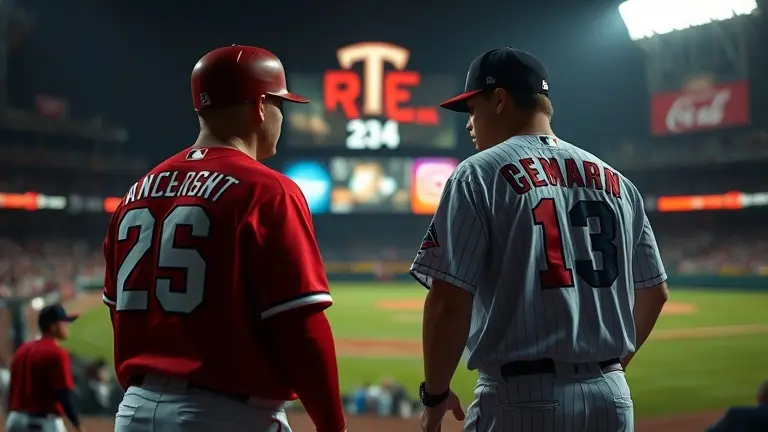
The recent series between the Cincinnati Reds and the Minnesota Twins at Target Field was far more than a simple set of box scores. While casual fans were busy tracking the reds score or glancing at the raptors vs cavaliers results, those who dig deeper into the data witnessed a classic clash of team momentum and structural resilience. For the Twins, the series highlighted a lingering frustration with bullpen efficiency, turning what should have been competitive matchups into missed opportunities that keep local fans searching for answers.
As we navigate the volatility of the early MLB season, it is clear that moving beyond basic reporting is essential for any serious observer. Whether you are analyzing the blue jays vs diamondbacks matchups, checking the latest lakers rockets trends, or trying to understand the ripple effects of a high-intensity avs game, the ability to synthesize complex statistical trends is the ultimate differentiator. Successfully decoding these shifts requires not just observation, but a heightened state of mental clarity to process performance metrics amidst the noise of a long season.
In the following sections, we peel back the layers of this series to reveal what really occurred on the diamond. By examining the interplay of situational hitting, pitching instability, and the psychological impact of narrow-margin losses, we provide a blueprint for understanding these games not just as events, but as essential data points for any analytical sports enthusiast.
Reds vs. Twins Series Recap: A Pivotal Early-Season Clash

The mid-April series at Target Field served as a harsh reality check for Minnesota, as the Cincinnati Reds capitalized on critical bullpen lapses to secure back-to-back victories. The opener on April 17 set a defensive tone, with the Reds edging out the Twins in a 2-1 pitching duel. While both teams displayed quality starting pitching early, the narrow margin underscored a recurring theme for the Twins: the inability to provide run support in high-leverage situations. By the time the reds score hit the record books for the April 18 follow-up, a 5-4 victory for Cincinnati, it became clear that the visitors had gained significant momentum while the Twins were left searching for answers regarding their late-game execution.
Analyzing the Shift in Team Momentum
This series highlighted divergent paths for both franchises during this early stage of the MLB season. While fans were busy tracking a wide variety of sporting events—from the raptors vs cavaliers playoff push to the intensity of an avs game—the action in Minneapolis became a primary focal point for bettors and analysts. The series takeaways include:
- Bullpen Vulnerability: The Twins’ bullpen struggled to protect leads, directly contributing to the 5-4 outcome on April 18 and fueling frustration among the local fanbase.
- Offensive Consistency: The Reds displayed superior situational hitting, effectively punishing Minnesota’s defensive mistakes to flip the game’s script late.
- Market Impact: The outcomes disrupted early-season power rankings, proving that even mid-April wins carry weight for wild-card positioning.
For those monitoring player props or comparing results to other matchups like the blue jays vs diamondbacks or the lakers rockets scores, the Reds’ performance offered a masterclass in capitalizing on an opponent’s psychological slump. The Twins now face the challenge of reconciling their strong starting rotation with a struggling bullpen, a narrative that will undoubtedly influence future betting lines and team prognostications as the season progresses.
Performance Breakdown: Key Players and Pitching Dynamics

The series between the Cincinnati Reds and the Minnesota Twins at Target Field highlighted a stark contrast in execution during high-leverage situations. While the reds score outcomes favored the visitors, the series was ultimately defined by the Twins’ inability to sustain momentum due to persistent bullpen volatility and situational hitting lapses. Analytics from the three-game set suggest that the Reds succeeded by prioritizing contact-oriented approaches in the late innings, effectively pressuring Minnesota’s relievers who struggled with command and closing out counts.
Pitching Instability and Offensive Execution
The frustration mounting among Minnesota fans stems from a recurring narrative: strong starting pitching going to waste. In the 5-4 loss on April 18, the Twins’ rotation provided a solid foundation, but the relief corps could not preserve the advantage. Conversely, the Reds demonstrated superior roster depth. Key observations from the matchup include:
- Bullpen Vulnerability: The Minnesota bullpen’s inability to strand runners proved costly, as the Reds capitalized on walks and erratic pitching during the middle innings.
- Situational Hitting: Cincinnati’s lineup remained disciplined, avoiding the tendency to chase pitches outside the zone—a stark difference from the Lakers Rockets level of intensity often seen in playoff-bound squads trying to force production.
- Player Impact: Strategic at-bats from Reds hitters proved that high-quality offensive play, even without record-breaking home run numbers, remains the most reliable path to victory.
As MLB observers track shifts in the power rankings, this series serves as a case study in how small margins dictate early-season standings. While fans across the league are busy analyzing the blue jays vs diamondbacks matchups or keeping an eye on the raptors vs cavaliers results, the Reds have quietly asserted themselves as a team capable of winning tight contests. For those monitoring an avs game or looking for the latest baseball insights, it is clear that the Reds’ ability to thrive in close-margin games makes them a team to watch, while the Twins must address their late-game execution to avoid further slippage.
The Betting Landscape: Analyzing Props and Trends

The reds vs twins series at Target Field served as a high-stakes environment for bettors, proving that early-season volatility in bullpen management creates significant value for savvy analysts. The low-scoring outcomes in both the 2-1 and 5-4 games highlighted a disconnect between preseason offensive projections and the actual performance on the diamond. For those tracking the reds score trends, the series underscored the importance of shifting focus away from traditional moneyline betting toward granular player props and late-inning leverage metrics. While public interest often gravitates toward high-profile matchups like the lakers rockets or the raptors vs cavaliers, the subtle tactical failures within the Minnesota bullpen provided a more lucrative narrative for sharp bettors who recognized early-season fatigue.
Tactical Betting Insights and Bullpen Volatility
Data-backed analysis of the April series suggests that the Minnesota Twins’ late-game struggles were not merely statistical noise but a consistent failure in high-leverage situations. Bettors targeting the “Total Runs” market found the under to be highly profitable in Game 1, as both pitching staffs prioritized command over raw velocity. To optimize future strategies, consider these performance indicators:
- Bullpen Regression: Monitor middle-relief usage rates early in the season; excessive high-leverage appearances in April frequently correlate with a dip in ERA for teams lacking depth.
- Prop Market Sensitivity: Star players are often priced based on career averages rather than current week-to-week momentum. Identifying “fade” opportunities against pitchers who struggle with command—even if the overall game remains low-scoring—is essential for sustained ROI.
- Contextual Comparison: When analyzing blue jays vs diamondbacks or similar interleague play, weight the impact of stadium-specific factors (like the heavy air in Minneapolis) against the team’s travel schedule and recent avs game-style high-intensity sequences that might leave rosters drained.
Ultimately, the series reinforces that transactional betting—simply chasing the winner—is less effective than analyzing the underlying “why.” By focusing on how bullpens adjust to specific hitters rather than just the final scoreboard, investors can better predict future line movements and capitalize on market overreactions.
MLB Season Narrative: Assessing the Power Shifts

The recent reds vs twins series at Target Field served as a litmus test for both franchises during the critical early-season phase of 2026. While many fans were primarily concerned with the reds score or finding a quick avs game update on other platforms, the tactical reality of these games suggests a significant divergence in team trajectory. For the Cincinnati Reds, securing back-to-back victories demonstrated a newfound resilience in high-leverage situations. By capitalizing on tactical errors, Cincinnati proved that they have the personnel to shift momentum in their favor, positioning themselves as a disruptive force within the National League as they look to climb the power rankings.
Conversely, the Minnesota Twins are navigating a period of internal volatility. Their inability to hold leads against Cincinnati highlighted recurring structural flaws that extend beyond a few bad innings. Whether tracking the raptors vs cavaliers score or the latest lakers rockets matchup, sports enthusiasts understand that a team’s record is often a reflection of its consistency—a trait currently absent in the Twins’ bullpen.
Key Factors Shaping the 2026 Trajectory
To understand how this series influences the broader MLB landscape, consider these critical observations regarding team performance:
- Bullpen Fragility: The Twins’ offensive droughts were compounded by an inability to close games, a trend that may force front-office intervention if it persists toward the mid-season mark.
- Momentum Shifts: Much like the blue jays vs diamondbacks series, these mid-April games prove that early wins are not just about the standings; they build the psychological confidence required to sustain production throughout the grueling summer months.
- Analytical Outlook: While bettors focus on short-term player props, the deeper data indicates that Cincinnati’s depth is currently outperforming Minnesota’s top-heavy roster.
As we look toward the summer, evidence suggests that Cincinnati is trending toward a “dark horse” status, while Minnesota must address its late-inning execution to remain relevant in their division race. The results of this series serve as a stern reminder that while individual talent sells tickets, bullpen stability and situational hitting define legitimate postseason contenders.
Mastering the Mental Game of Sports Strategy
The lessons from the Reds-Twins series are clear: in the high-stakes world of professional sports, games are won not just by physical talent, but by the analytical precision of those who can decode the subtle shifts in bullpen efficiency and momentum. As you continue to evaluate player props, power rankings, and interleague matchups, the ability to maintain unwavering mental focus is what separates the casual observer from the high-level sports strategist.
Just as a professional player must sharpen their focus for a high-stakes series, your ability to extract value from complex data requires peak cognitive sharpness. When you are processing dense statistics, navigating through shifting market odds, or comparing team trajectories, you need a tool that eliminates mental fatigue and allows you to think with unmatched clarity. This is precisely where The Brain Song becomes an essential component of your analyst’s toolkit.
The Brain Song is designed for the modern sports enthusiast who refuses to compromise on decision-making quality. By providing enhanced cognitive stamina, it allows you to synthesize large volumes of performance data and identify profitable trends without succumbing to brain fog. It is the natural next step for anyone committed to turning the chaotic noise of game-day information into a consistent, actionable competitive advantage.

Unlock your full analytical potential and sharpen your decision-making for the next game day by integrating The Brain Song into your pre-game routine.
Unlock My Results