
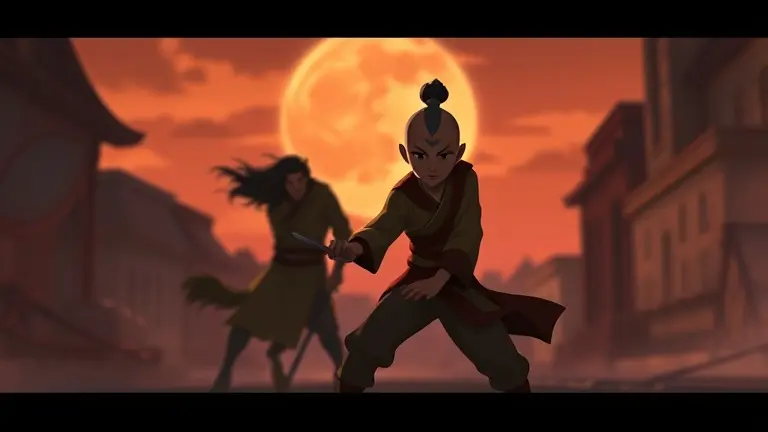
The digital landscape has been shaken by the unauthorized leak of the highly anticipated avatar the last airbender movie. As fans of the legend of aang await the official October 9, 2026, release on Paramount+, the film has surfaced online in its entirety, months ahead of schedule. This breach has transformed from a simple security incident into a volatile flashpoint, bringing to light deep-seated frustrations regarding corporate decision-making and the evolving nature of animation distribution.
While the leaked footage has sparked intense debate, separating speculation from verified fact is crucial for any dedicated fan. Misinformation is rampant, and understanding the context behind this event requires moving beyond the viral headlines. This is not just a story about a missing file; it is a case study on the friction between global streaming strategies and the artistic integrity of the new avatar movie.
In such a volatile digital environment, finding the truth requires a sharp mind. Just as the industry needs better security protocols, you need clearer focus to filter out the noise and misinformation surrounding this complex narrative. Before diving deep into the industry breakdown, consider how you can reclaim your mental clarity to analyze these events with the precision they deserve.
The Anatomy of a Breach: Understanding the ‘Avatar: Aang’ Leak
The security breach surrounding the upcoming avatar the last airbender movie has sent shockwaves through the animation industry. In April 2026, the highly anticipated project, officially titled Avatar: Aang, The Last Airbender, surfaced online in its entirety, approximately six months before its scheduled October 9, 2026, debut on Paramount+. While speculation initially pointed toward internal vulnerabilities, primary reports from outlets like Deadline and The Hollywood Reporter indicate that the breach did not originate from Paramount’s internal digital infrastructure. This suggests a third-party compromise, highlighting the complex distribution and post-production workflows that often leave high-profile assets exposed in the era of globalized digital production.
Official Status and Production Timeline
Despite the unauthorized circulation of the film, Paramount has maintained its commitment to the project’s official release schedule. The new avatar movie remains slated for an exclusive premiere on Paramount+ this fall. To understand why this leak became such a flashpoint for fan frustration, it is necessary to examine the project’s recent history:
- Initial Expectations: Fans were originally promised a cinematic experience for the legend of aang, expecting the story to unfold on the big screen.
- The Shift: In December 2025, Paramount abruptly scrapped the planned theatrical release, pivoting the project to a streaming-only model.
- The Reaction: This decision generated significant backlash, creating a volatile environment where some segments of the community began to view the subsequent leak as a form of “protest” against corporate strategy.
The incident underscores the precarious nature of the avatar movie production cycle. By bypassing theaters, the film lost the layer of security associated with cinema distribution, which is often more physically and digitally siloed. As investigators continue to trace the source of the unauthorized distribution, the industry is left grappling with the reality that digital assets for the legend of aang the last airbender—and other major intellectual properties—are increasingly vulnerable to sophisticated outside threats.
A Community at Odds: Why Fans Are Expressing Frustration
The recent leak of the Avatar: Aang, The Last Airbender movie has ignited a firestorm within the animation community, serving as a volatile culmination of long-standing tensions between studio executives and dedicated fans. While piracy is rarely met with celebration, the discourse surrounding this specific avatar the last airbender movie is uniquely nuanced. Much of the community’s current anger stems from Paramount’s December 2025 decision to scrap the film’s theatrical release in favor of an exclusive Paramount+ debut. For many, this move signaled a systemic devaluation of the Avatar brand, reducing a major cinematic project—the legend of aang—to mere streaming filler, which fans feel undermines the artistic scope of the production.
The Catalyst for Discord
The frustration fueling these reactions is rooted in a broader dissatisfaction with modern distribution models. Fans argue that high-profile animated works deserve the cultural gravity of a theatrical run, and the shift to streaming-only distribution is viewed as a corporate failure to honor the legacy of the legend of aang the last airbender. When the full film leaked six months before its scheduled October 9, 2026, release, it transformed from a security incident into a radicalized form of protest. Key points of contention include:
- Corporate Gatekeeping: A widespread belief that Paramount is prioritizing quarterly platform subscription metrics over the prestige of the franchise.
- Devaluation of Animation: Animators and enthusiasts alike have voiced concern that shifting the new avatar movie to digital-only formats pigeonholes the medium as “content” rather than “cinema.”
- The Ethical Divide: While many fans condemn the leak for the harm it causes the production staff, a vocal minority has used the studio’s perceived mistreatment of the property to justify the unauthorized distribution as a “retaliatory” act against corporate strategy.
Ultimately, the leak of the avatar movie acts as a mirror to the current state of the entertainment industry, where the friction between fan expectations and studio fiscal policy has reached a boiling point. By sidelining a highly anticipated project from the big screen, the studio inadvertently created an environment where the community feels less invested in protecting the film’s financial success and more interested in airing deep-seated grievances against the decision-makers behind the screen.
The Human Cost: Impact on Animators and Production Teams
While industry headlines focus on the logistics of the avatar the last airbender movie leak, the most significant casualties are the creative professionals who spent years crafting the project. Animation is a labor-intensive, iterative medium that requires thousands of hours of precision. When a film like the legend of aang is leaked months before its official October 9, 2026, premiere, it does more than threaten studio revenue; it robs artists of the ability to present their vision as intended. The “official release” is not merely a distribution date—it is a meticulously calibrated experience involving color grading, sound mixing, and final visual polish that leaked, unfinished files often lack.
The frustration felt by the community regarding the theatrical-to-streaming pivot is understandable, but industry experts emphasize that consuming stolen content creates a harmful ripple effect. Animators have taken to social media to express that justifying piracy through corporate grievances only penalizes the workforce, not the executives. The impact of these breaches is profound:
- Degraded Creative Intent: Leaked versions often lack final rendering and audio mastering, leading to public criticism of art quality that the team has not yet completed.
- Morale Erosion: Knowing that years of effort have been bypassed by digital theft creates a sense of professional futility among production staff.
- Security Accountability: As investigators determine that the breach did not originate from Paramount’s internal systems, the burden of increased security protocols—often invasive and time-consuming—falls directly on the creative teams.
Ultimately, the new avatar movie represents a milestone for fans of the legend of aang the last airbender, but its premature exposure underscores a growing crisis in digital security. When audiences engage with leaked material, they undermine the sanctity of the creative process. To support the storytellers behind the avatar movie, industry advocates urge fans to wait for the polished, high-fidelity experience arriving on Paramount+ later this year, ensuring that the artists receive the recognition and viewership their hard work deserves.
The Future of Digital Security in Animation Studios
The unauthorized leak of the upcoming avatar the last airbender movie has served as a sobering wake-up call for the animation industry. As studios transition toward streaming-first strategies, the vulnerability of high-value intellectual property has moved to the forefront of executive concerns. The incident highlights a growing “culture of leaks” where digital assets are increasingly exposed to third-party vendors and fragmented production workflows. For a massive project like the legend of aang the last airbender, the fallout demonstrates that even when internal studio systems remain secure, the extended supply chain remains a critical point of failure that can compromise years of artistic labor.
Strengthening Infrastructure Against Modern Threats
To combat these risks, studios are rapidly pivoting toward more robust Digital Asset Management (DAM) protocols. The industry is moving away from traditional, localized file sharing in favor of decentralized, high-security cloud environments that utilize blockchain-based watermarking and granular access controls. These measures aim to ensure that if a breach occurs, the source can be traced back to the specific workstation or vendor, deterring potential bad actors.
Key shifts in studio security include:
- Zero-Trust Architecture: Implementing strict, time-limited access tokens for all creative collaborators, ensuring that assets are only viewable during active production hours.
- Third-Party Oversight: Enhancing security audits for external VFX and animation houses, which are often the weakest links in the distribution chain.
- Real-time Threat Monitoring: Utilizing AI-driven pattern recognition to detect unauthorized data transfers across global networks before full files are compromised.
The frustration surrounding the new avatar movie leak—and the subsequent discourse regarding its shift away from a theatrical release—underscores the complex tension between consumer demand and property protection. As the industry advances, the goal is to balance the need for global, instantaneous streaming distribution with the uncompromising necessity of shielding the creative integrity of the legend of aang franchise from the digital piracy of the 2026 era.
## Navigating Digital Noise: Achieving Clarity Amidst Industry Chaos
The story of the recent leak is far from over, as the fallout continues to redefine how animation studios protect their creative treasures and how fans engage with the stories they love. Whether you view the event as a security failure or a symptom of broader corporate disconnects, the reality is that the digital landscape is increasingly overwhelming, filled with conflicting narratives that cloud our analytical judgment.
In such a volatile environment, finding the truth requires a sharp, resilient mind. Constant exposure to rapid-fire industry rumors and digital noise can lead to the very mental fog that prevents us from seeing the full, objective picture. Just as animation studios must upgrade their digital security, you deserve a tool to fortify your cognitive focus against the persistent clutter of modern media.
This is where The Brain Song becomes your essential companion. By utilizing neuroscience-based auditory stimulation, it serves as a powerful 12-minute daily ‘cognitive reset’ designed to clear mental fog and enhance information retention. Integrating this into your routine doesn’t just improve your focus—it empowers you to cut through the noise, process complex industry news with clarity, and maintain your sharp edge as an informed spectator. Reclaim your mental space and ensure you are viewing the industry not through a lens of chaos, but with the clarity of a true analyst.

Reclaim your focus and sharpen your analytical edge against the noise—start your 12-minute daily cognitive reset with The Brain Song.
Unlock My Results Today!