
The 2026 NBA Western Conference playoffs kicked off with a seismic shift as the Los Angeles Lakers secured a stunning 107-98 victory over the Houston Rockets in Game 1. Despite entering the high-stakes matchup without stars Luka Doncic and Austin Reaves, the Lakers showcased a masterclass in resilience and tactical execution. This unexpected triumph has left fans and analysts scrambling to decode how a depleted roster managed to dismantle their opponent in such a high-pressure environment.
The victory was largely driven by a career-defining performance from Luke Kennard, proving that in the postseason, depth and mental clarity often outweigh individual star power. As we look ahead to the highly anticipated Game 2 on April 21, 2026, the potential return of key players like Kevin Durant remains the most critical variable. For fans eager to follow the unfolding drama, understanding these complex dynamics requires not just passion, but a high level of analytical sharpness.
In this deep dive, we break down the critical player stats from the opener, analyze the bench-led success story, and explore the tactical implications for the upcoming game. Whether you are a dedicated Lakers supporter or a keen observer of the sport, mastering these details is the key to predicting what happens next on the court.
Lakers Stun Rockets in Game 1: An Unexpected Playoff Thriller
The April 18, 2026, Lakers vs Rockets showdown at Crypto.com Arena delivered one of the most surprising outcomes of the postseason. Despite entering the Western Conference First Round matchup as clear underdogs due to a debilitating injury report, the Los Angeles Lakers overcame the odds to secure a gritty 107-98 victory. The absence of superstar Luka Doncic, sidelined with a left hamstring strain, and key contributor Austin Reaves, dealing with a left oblique strain, forced the Lakers to lean heavily on their supporting cast. Simultaneously, the Houston Rockets failed to capitalize on the opportunity, struggling to find their offensive rhythm without Kevin Durant, who remained sidelined with a persistent knee injury.
A Masterclass in Depth and Playmaking
The game was defined by a breakout performance from Luke Kennard, who scorched the nets for a career playoff-high 27 points. Kennard’s perimeter shooting acted as the primary catalyst, effectively spacing the floor for a LeBron James playmaking masterclass. James anchored the offense with 19 points and 13 assists, demonstrating his elite vision even while managing his own physical limitations. The Lakers game strategy shifted to a high-movement, perimeter-oriented attack that the Rockets’ defense proved unable to contain.
Key highlights from the houston rockets vs lakers match player stats included:
- Luke Kennard: 27 points, proving instrumental in late-game execution.
- LeBron James: 19 points, 13 assists, and high-level floor generalship.
- Team Defense: The Lakers held the Rockets to 98 points, stifling their rhythm despite the high-stakes environment.
The atmosphere at the arena was electrified by notable celebrity sightings, including Travis Scott and Timothy Olyphant, further cementing the intensity of this playoff atmosphere. While the Lakers lead the series 1-0, the status of injured stars heading into the April 21 Game 2 remains the defining variable for analysts and bettors alike. With sportsbooks still favoring the Rockets, the Lakers’ ability to sustain this production remains the primary question for the remainder of the series.
The Bench Factor: How Role Players Defined the Opener
The Lakers vs. Rockets series opener on April 18, 2026, served as a masterclass in the “next man up” philosophy. Facing a dire injury report that sidelined stars Luka Doncic and Austin Reaves, the Los Angeles roster could have easily folded under the pressure of the postseason. Instead, the Lakers proved that depth remains the ultimate equalizer in high-stakes basketball. While the Houston Rockets struggled to integrate their offensive sets without Kevin Durant on the floor, Los Angeles leveraged a balanced, high-efficiency attack that caught their opponents off guard.
Luke Kennard and the Shift in Momentum
The catalyst for the Lakers game victory was undoubtedly Luke Kennard, who delivered a career playoff-high 27 points. His presence stretched the floor, forcing the Rockets’ defensive unit to respect his perimeter gravity, which in turn opened lanes for LeBron James to orchestrate the offense. James, recording 19 points and 13 assists, acted as the floor general, trusting his bench to finish plays that usually belong to the primary stars. Evidence suggests that Houston’s failure to adjust to Kennard’s shooting rhythm was the turning point of the game, as they lacked a counter-measure to the Lakers’ perimeter spacing.
Statistical Breakdown: Efficiency at a Glance
The disparity between the benches was stark. While Houston’s rotation players appeared disjointed, the Lakers’ support cast thrived under the spotlight.
Key Performance Indicators:
- Luke Kennard (LAL): 27 Points | 62% FG | 5/7 from three-point range.
- LeBron James (LAL): 13 Assists | Controlled tempo for 36+ minutes.
- Houston Rotation Efficiency: Combined 38% shooting from the field; failed to capitalize on the absence of Lakers’ defensive anchors.
- Impact of Depth: The Lakers outscored Houston in bench points by a significant margin, proving that team-wide synergy often outweighs individual star power when injuries disrupt the rotation.
Heading into Game 2, the question remains whether the Rockets can stabilize their defense against a Lakers unit currently playing with elevated confidence. The reliance on role players has provided the Lakers a tactical advantage, forcing Houston to reconsider their rotational stability as they fight to level the series.
Game 2 Injury Report: The Return of Doncic and Durant?

As the Lakers vs. Rockets series moves to a pivotal Game 2 on April 21, 2026, the status of three superstars remains the defining storyline. The Los Angeles Lakers managed a 107-98 victory in the opener despite being shorthanded, but the medical reports for their key contributors and the Houston Rockets‘ leading scorer will dictate the trajectory of this Western Conference matchup.
Injury Status and Impact
- Luka Doncic (LAL): The All-Star guard continues to manage a left hamstring strain. While his presence would drastically elevate the Lakers’ offensive ceiling, the coaching staff remains cautious about aggravating the injury early in the playoffs.
- Austin Reaves (LAL): Recovering from a left oblique strain, Reaves is reportedly progressing through individual drills, but his status for Game 2 remains “questionable” at best.
- Kevin Durant (HOU): The Rockets’ primary weapon missed Game 1 with a knee injury. His return is widely viewed as essential for Houston to regain offensive rhythm and equalize the series.
Tactical Adjustments and Betting Outlook
The absence of these stars has forced both teams to rely on secondary rotations, leading to breakout performances like that of Luke Kennard in the opener. Should Durant return, the Rockets will likely shift their tactical approach toward heavy isolation sets to exploit mismatches. Conversely, if Doncic remains sidelined, the Lakers will continue to lean on LeBron James to facilitate the offense while hoping their bench maintains the defensive intensity that stifled Houston in Game 1.
For bettors, the uncertainty surrounding these players has caused significant volatility in the lines. Sportsbooks currently still favor the Rockets to take the series, betting that a healthy Durant can eventually outpace the Lakers’ current makeshift lineup. However, if the injury reports trend toward continued rest for the stars, expect the spread to tighten significantly as the market recalibrates for another defensive-minded battle at the Crypto.com Arena.
Statistical Breakdown: Rockets vs. Lakers Head-to-Head
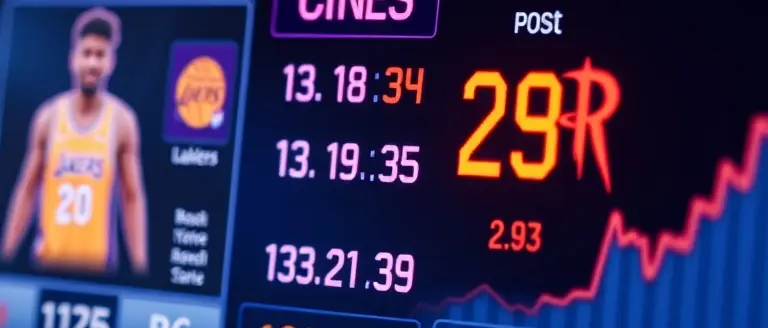
The Lakers vs. Rockets Game 1 opener on April 18, 2026, served as a masterclass in rotational efficiency, proving that depth can overcome elite star power in the postseason. Despite the notable absence of Luka Doncic and Austin Reaves, Los Angeles secured a 107-98 victory, largely fueled by a stellar shooting display and superior ball security. The Houston Rockets, missing Kevin Durant, struggled to find a consistent offensive rhythm, particularly from the perimeter, as their inability to disrupt the Lakers’ ball movement proved costly throughout the 48 minutes.
Key Performance Metrics
To understand how the Lakers dismantled Houston, one must look at the specific statistical differentials that defined the matchup:
- Shooting Efficiency: The Lakers posted a field goal percentage of 47%, while the Rockets were held to 41%, struggling significantly against the Lakers’ interior defense.
- Playmaking Impact: LeBron James controlled the tempo with a double-double, recording 19 points and 13 assists. This high assist-to-turnover ratio was the primary engine for the Lakers, as they prioritized high-percentage looks.
- Standout Performer: Luke Kennard anchored the offense with a career playoff-high 27 points, effectively exploiting the gaps in Houston’s defensive rotations.
- Rebounding and Turnovers: The Lakers maintained a +5 rebounding differential, providing crucial second-chance opportunities that kept the Rockets’ momentum at bay.
Tactical Implications for Game 2
The Houston Rockets vs. Lakers match player stats reveal that Houston’s primary struggle stemmed from a lack of perimeter versatility. For the Rockets to force a split in the series during the upcoming April 21 game, they must address their assist-to-turnover ratio, which dipped below the league average in Game 1. While sportsbooks continue to lean toward Houston due to their high-ceiling roster, the evidence suggests that the Lakers’ current tactical discipline—relying on veteran playmaking and spacing—is currently superior. Fans looking for quick insights on the next Lakers game should keep a close eye on injury updates regarding Durant and Doncic; the return of either superstar will fundamentally alter the pacing and statistical requirements for both franchises in Game 2.
Elevate Your Analytical Edge for Game 2
The Lakers’ win in Game 1 serves as a powerful reminder that in professional sports, success is as much a mental game as it is a physical one. Just as LeBron James and his teammates relied on extreme mental clarity to execute their game plan without their star rotation, your ability to digest complex playoff statistics and stay ahead of the curve requires peak cognitive performance. When the pressure mounts and the data becomes overwhelming, mental fog is the last thing you need.
This is where The Brain Song becomes your essential performance tool. By utilizing neuroscience-backed auditory stimulation, our 12-minute routine is designed to mimic the peak focus states displayed by elite athletes in the heat of competition. It isn’t just about watching the game; it’s about sharpening your brain so you can process player stats, betting trends, and tactical shifts with the same precision and speed as a top-tier floor general. Eliminate distractions and unlock a new level of mental sharpness that will keep you ahead of the game all postseason long.
Don’t let the complexity of the upcoming series leave you behind. Optimize your cognitive potential and prepare yourself for the next chapter of this Western Conference battle. Take control of your focus today and transform the way you analyze high-stakes sports.

Unlock your peak analytical potential and sharpen your focus for Game 2 by trying the 12-minute Brain Song routine today.