
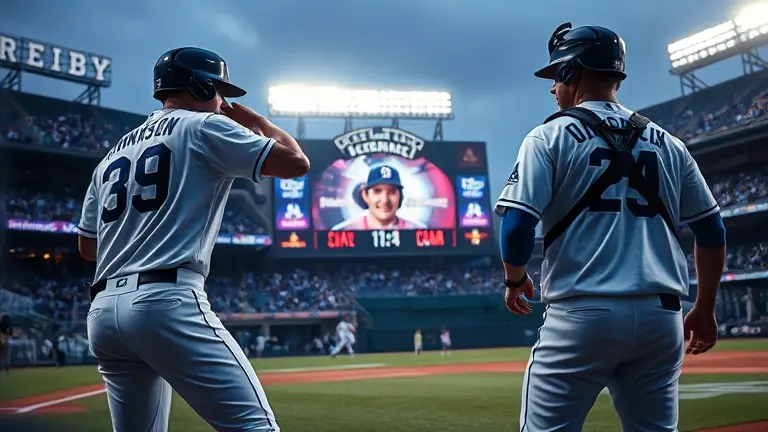
The high-stakes world of Major League Baseball is often defined by narrow margins, where a single pitch can change the trajectory of an entire series. During the recent Dodgers vs. Rockies contest on April 18, 2026, that thin line between victory and defeat became the center of a heated professional controversy.
Following a decisive 4-3 loss at Coors Field, Dodgers catcher Dalton Rushing brought the game under intense public scrutiny, labeling the Rockies’ offensive strategy during a pivotal 6th-inning rally as “fishy.” His accusations have triggered a massive wave of debate among fans and analysts alike, questioning everything from sign-stealing suspicions to the simple frustrations of a high-pressure environment.
In this deep dive, we look past the final score to analyze the mechanics of the game-defining 6th inning where pitcher Will Klein struggled to contain the Colorado offense. We will also examine the growing clubhouse tension in Los Angeles and whether these accusations signal a genuine escalation in the Dodgers vs. Rockies rivalry or just the heat of a frustrating loss.
Dodgers vs. Rockies: Breaking Down the April 18, 2026 Upset at Coors Field
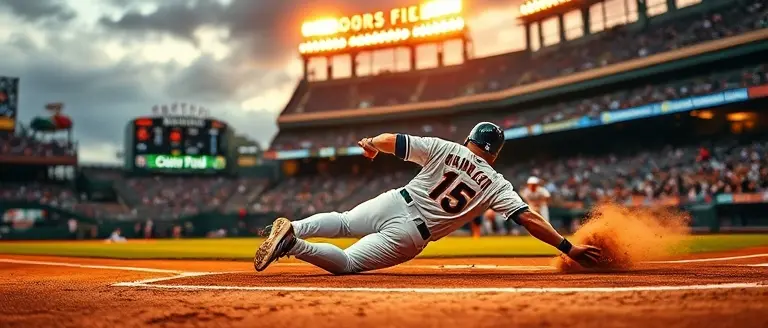
The April 18, 2026, matchup between the Los Angeles Dodgers and the Colorado Rockies at Coors Field resulted in a stunning 4-3 defeat for the visitors. While the game was initially framed as a standard divisional contest, the outcome shifted the narrative significantly, particularly following a volatile 6th inning that defined the Rockies’ rally. Despite the loss, Shohei Ohtani remained a bright spot for Los Angeles, effectively extending his impressive on-base streak and continuing his dominant performance at the plate throughout the early season.
The Turning Point: Klein’s Struggle in the 6th
The pivotal moment arrived in the bottom of the 6th inning when Dodgers reliever Will Klein (1-1) entered the game, tasked with holding the lead. However, the momentum quickly shifted as Klein surrendered three consecutive hits, culminating in a go-ahead, two-run double by Troy Johnston. This sequence proved fatal to the Dodgers’ aspirations of securing a win in Denver. Statistical analysis of the inning suggests an uncharacteristic lapse in pitch command from Klein, which Rockies hitters exploited with aggressive contact.
Controversy and Clubhouse Tensions
Following the final out, the post-game atmosphere turned acrimonious when Dodgers catcher Dalton Rushing questioned the legitimacy of the Rockies’ offensive approach, explicitly labeling their success as \”fishy.\” This public accusation has ignited a firestorm of speculation regarding potential sign-stealing or unconventional scouting advantages employed by Colorado. Key takeaways from the aftermath include:
- Dalton Rushing’s Comments: The catcher’s bold assertions have dominated the sports headlines, marking a rare public display of frustration from the Dodgers’ clubhouse.
- Dave Roberts’ Stance: Conversely, Dodgers manager Dave Roberts promptly dismissed the \”fishy\” allegations, urging his team to focus on their own execution rather than external factors.
- Statistical Anomaly: Analysts are now pouring over pitch-tracking data from the 6th inning to determine if the Rockies’ sudden surge was a result of elite situational hitting or something more nefarious.
While the loss is officially in the books, the lingering questions surrounding the Dodgers vs. Rockies controversy suggest that this rivalry may have entered a new, more contentious chapter.
Analyzing the ‘Fishy’ Accusations: Dalton Rushing’s Post-Game Comments
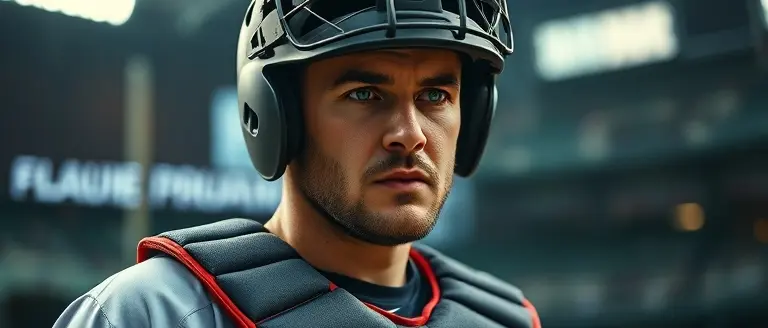
The Dodgers vs Rockies matchup on April 18, 2026, concluded with more than just a 4-3 scoreline; it left a lingering tension centered on catcher Dalton Rushing. Following the loss, Rushing publicly characterized the Rockies’ offensive strategy in the pivotal 6th inning as \”fishy.\” This accusation, directed at the sequence that saw Will Klein surrender a go-ahead, two-run double to Troy Johnston, has sparked an intense debate regarding the integrity of the Rockies’ approach at the plate during that high-leverage moment. While Rushing did not explicitly detail the nature of his suspicions, his post-game comments have cast a shadow over what was otherwise a standard hard-fought divisional contest.
Dissecting the 6th Inning Controversy
The core of the Dodgers Rockies controversy stems from the specific mechanics of the 6th inning, where the Rockies managed three consecutive hits off Will Klein. For observers looking at the analytical side of the game, the sudden surge in offensive efficiency against Klein appeared anomalous. Rushing’s frustration seems rooted in the perception that the Rockies were exhibiting an uncanny ability to anticipate pitches or identify defensive positioning.
- Will Klein’s Struggles: Klein took the loss (1-1) after struggling to maintain command, leading to the decisive two-run double.
- The \”Fishy\” Claim: Rushing’s choice of words suggests a belief that external factors or unconventional methods influenced the Rockies’ output.
- Managerial Contrast: Dodgers manager Dave Roberts quickly distanced the organization from Rushing’s rhetoric, emphasizing that player frustration after a tight game is common, even if the accusations are unfounded.
Whether Rushing’s remarks are a sign of legitimate gamesmanship concerns or merely the product of a competitive player venting after a difficult loss remains the central question. As the season progresses, fans will undoubtedly look for further indicators of gamesmanship whenever these two teams collide, keeping this budding rivalry at the forefront of the National League discussion.
Will Klein’s 6th Inning: Statistical Breakdown and Managerial Reactions

The pivotal 6th inning of the Dodgers vs Rockies game on April 18, 2026, served as the turning point for a contest that ultimately ended in a 4-3 defeat for Los Angeles. Dodgers reliever Will Klein (1-1) found himself in a high-leverage situation at Coors Field, where he struggled to command his secondary offerings against a surging Colorado lineup. The sequence that defined the frame involved three consecutive base hits, culminating in a go-ahead, two-run double by Troy Johnston. Advanced metrics from the inning suggest a lack of vertical break on Klein’s fastball, allowing Rockies hitters to stay inside the zone and capitalize on pitches that leaked over the heart of the plate.
Internal Tension and Managerial Dissent
Following the loss, the atmosphere in the Dodgers clubhouse turned contentious due to inflammatory remarks made by catcher Dalton Rushing. Rushing publicly characterized the Rockies’ offensive approach during that specific inning as \”fishy,\” hinting at potential irregularities in the way Colorado decoded signs or adjusted to Klein’s pitch sequencing. These comments have sparked widespread debate across MLB circles, with fans and analysts divided on whether Rushing’s accusations hold merit or represent a classic case of frustration following a narrow loss.
The discord within the Dodgers organization was evident as manager Dave Roberts promptly refuted his catcher’s assessment during his post-game media availability. Roberts emphasized a more pragmatic perspective, noting:
- Execution Errors: Roberts focused on the lack of pitch execution rather than external foul play.
- Environmental Factors: He acknowledged that Coors Field often produces statistical anomalies due to altitude and ball flight, dismissing the need for a deeper investigation into the Rockies’ tactics.
- Team Cohesion: By distancing himself from the \”fishy\” narrative, the Dodgers manager sought to quell a brewing Dodgers Rockies controversy that threatened to distract from the team’s ongoing pursuit of consistency.
While Shohei Ohtani managed to extend his impressive on-base streak during the game, the lingering narrative remains fixed on whether Rushing’s post-game claims signal a genuine rivalry escalation or merely the heat-of-the-moment reaction of a player struggling to process a difficult loss.
Fan Sentiment: Sour Grapes or Legitimate Concern?

The aftermath of the dodgers vs rockies clash on April 18, 2026, has ignited a fierce debate across social media platforms, dividing the MLB community between those defending the integrity of the game and those dismissing the fallout as professional frustration. Central to this Dodgers Rockies controversy is the post-game reaction from catcher Dalton Rushing, whose labeling of the Rockies’ sixth-inning approach as \”fishy\” has sparked intense speculation. Fans on platforms like X and Reddit remain deeply polarized, with many questioning whether Rushing’s accusations represent a genuine grievance regarding unwritten rules or competitive strategy, or simply a byproduct of a stinging loss at Coors Field.
Analyzing the \”Fishy\” Narrative
When dissecting the 6th inning, where Will Klein surrendered a decisive two-run double to Troy Johnston, objective observers are weighing the following factors:
- Statistical Anomalies: Analysts are pouring over the pitch sequencing during the three-hit rally, looking for indicators that might support Rushing’s claim of unusual gameplay approaches.
- Clubhouse Disconnect: The visible rift between Rushing’s public comments and manager Dave Roberts’ immediate dismissal of the \”fishy\” narrative has fueled further fan speculation about internal team cohesion.
- Rivalry Intensity: Long-time followers of the Dodgers-Rockies series suggest that this tension may be a natural escalation of recurring frustrations in high-leverage division games.
Currently, the consensus leans toward \”sour grapes\” among neutral observers, who point to the inherent unpredictability of hitting at high-altitude Coors Field. However, the persistence of the narrative suggests that until more granular data regarding the Rockies’ approach in that specific frame is fully contextualized, the accusations will continue to cast a shadow over this matchup. Whether or not there is a \”legitimate concern\” remains unproven, but the discourse itself has added a layer of animosity to future meetings between these two clubs.
\”,introducao:
The controversy surrounding the April 18, 2026, Dodgers-Rockies game proves that even the smallest moments in baseball can ignite significant tension. When a game turns on a few split-second decisions and a high-leverage 6th inning, the scrutiny placed on player performance becomes intense. Whether Dalton Rushing’s “fishy” claims have merit or are simply the result of a heated loss, one thing is clear: the mental demand on elite athletes to remain composed and sharp under such pressure is immense.
In professional baseball, the difference between a routine out and a game-changing hit often comes down to a split-second of mental sharpness; if you’re looking to optimize your own cognitive clarity and focus, you might find the neuroscience behind sound-based performance tools like The Brain Song to be a game-changer. Just as Will Klein and his counterparts must maintain intense focus to execute under pressure, you can train your mind for similar levels of precision and clarity.
The Brain Song acts as a cognitive performance optimizer, designed for individuals who demand the same level of mental endurance required of elite athletes. By leveraging science-backed techniques to sharpen your focus, this tool bridges the gap between chaos and peak cognitive output. If you are ready to elevate your performance, it is time to take the next step in your mental training.
 Discover how to sharpen your mental edge and improve your cognitive performance just like the pros.