
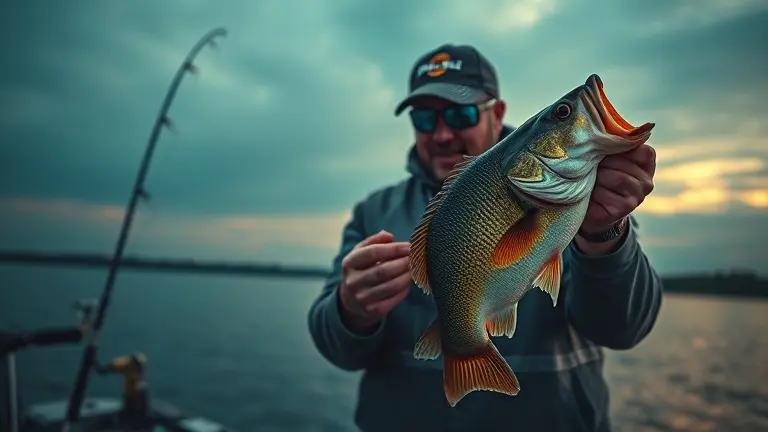
For millions of outdoor enthusiasts across the United States, fishing is more than just a weekend pastime—it is a pursuit of precision, skill, and mastery. As you move beyond the casual cast from the shore, you may find yourself drawn to the high-stakes world of Major League Fishing (MLF). This professional organization has redefined competitive bass fishing, offering a clear and rewarding pathway for amateur anglers to test their mettle against the best in the sport.
Whether your goal is to experience the thrill of a tournament weigh-in or you have set your sights on a professional career, understanding the MLF ecosystem is your critical first step. Breaking into the competitive circuit requires more than just a good rod and reel; it demands a shift in mindset, rigorous preparation, and an ironclad commitment to technical detail. In this guide, we will help you navigate the transition from recreational hobbyist to a serious tournament competitor.
Entering the competitive arena is an exciting milestone, but it also exposes the limitations of trial-and-error techniques. To truly compete, you must organize your gear, master your electronics, and treat every moment on the water as a strategic investment. This article explores how to bridge the gap between your current skill level and the demanding standards of the Bass Fishing League (BFL), setting you on a trajectory for tournament success.
Understanding the Major League Fishing (MLF) Ecosystem
For outdoor enthusiasts and competitive anglers, the acronym MLF almost exclusively refers to Major League Fishing, the world’s largest tournament-fishing organization. Unlike other niche uses of the term—such as social outreach ministries or specific collector communities—Major League Fishing represents the pinnacle of professional bass fishing. By establishing a highly structured, data-driven tournament environment, the organization has fundamentally changed how the sport is perceived, moving it from a localized hobby to a mainstream broadcast spectacle that prioritizes conservation through its signature catch, weigh, and immediate-release format.
The Hierarchical Structure of Major League Fishing
The organization operates on a clear, tiered structure designed to foster talent from the recreational level up to the professional stage. This ecosystem allows an angler to start in local circuits and eventually compete for championship titles and significant purses. Key components of this structure include:
- Bass Fishing League (BFL): Often referred to as the “weekend warrior” circuit, this is the primary entry point for amateur anglers. With divisions across the United States, it provides a consistent, localized competitive environment.
- Toyota Series: A mid-level circuit that serves as a bridge for talented anglers looking to sharpen their skills on larger regional waters before moving toward full-time professional status.
- Bass Pro Tour: The top tier of the organization, featuring the world’s most elite bass anglers competing in a high-stakes, real-time scoring format.
Why the MLF Ecosystem Matters
Understanding this hierarchy is essential for any recreational angler looking to break into the competitive circuit. The MLF ecosystem is intentionally designed to be accessible; by participating in local BFL tournaments, anglers gain exposure to professional-grade logistics and sportsmanship standards. Evidence suggests that the consistent infrastructure provided by Major League Fishing is the primary driver behind the sport’s growth in the US, as it offers a clear path for enthusiasts to transition from casual fishing to a professional career. Whether you are aiming for the podium or simply testing your skills against a clock and a leaderboard, the organization offers the most comprehensive roadmap for competitive angling today.
Navigating the Phoenix Bass Fishing League (BFL) Qualification Process
For amateur anglers looking to make the leap into competitive tournament angling, the Phoenix Bass Fishing League (BFL) serves as the foundational entry point into the Major League Fishing (MLF) ecosystem. Designed to provide a localized, high-stakes tournament experience, the BFL is organized into 24 divisions across the United States. This structure allows participants to compete close to home while maintaining a consistent schedule of five one-day qualifying tournaments per division. To participate, anglers must secure an MLF membership, which grants eligibility for these regional events and provides access to official rules, points standings, and registration portals.
The Pathway to Championship Glory
The BFL season is built on a clear progression ladder that rewards consistency and top-tier performance. Anglers accumulate points throughout their five divisional tournaments based on their finish and weight caught. The most successful competitors in each division earn an invitation to a BFL Regional Championship. These events aggregate top performers from multiple divisions, significantly raising the level of competition. Successfully navigating the regional level is the primary prerequisite for qualifying for the prestigious BFL All-American, a national stage where the best amateur talent competes for substantial payouts and career-defining recognition.
To maximize your chances of advancing, consider the following strategic steps for your rookie season:
- Select Your Division Wisely: Choose a division with waters you are familiar with to gain a competitive edge during your first year.
- Master the Points System: Understand how weight-based scoring and participation points function to ensure you stay in the running for a Regional spot.
- Leverage MLF Resources: Utilize the official Major League Fishing website to track historical winning weights in your division, which helps in identifying productive seasonal patterns.
- Prioritize Boat Readiness: Ensure your vessel meets all specific safety and equipment requirements outlined in the BFL rulebook to avoid disqualification or penalties during inspections.
By focusing on local dominance and consistent finishes, amateur anglers can effectively use the BFL as a launchpad to advance through the Major League Fishing ranks and eventually test their skills against the sport’s elite professionals.
Mastering Tournament Strategy: From Hobbyist to Pro
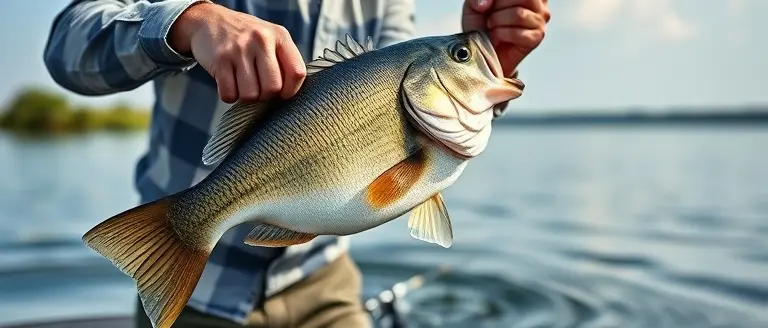
Transitioning from casual weekend fishing to the competitive environment of Major League Fishing (MLF) requires a fundamental shift in mindset. While “fun fishing” often prioritizes relaxation and catching a variety of species, competitive angling in the BFL (Bass Fishing League) circuit demands intense focus, disciplined time management, and a strategic approach to locating tournament-grade bass. Success at this level is rarely about luck; it is about developing a repeatable pattern that you can execute under the pressure of a ticking tournament clock. Professional anglers treat the water as a puzzle, using practice days to identify specific depths, structures, and lures that yield high-quality bites.
Precision Tools and Time Management
To compete, you must master your onboard sonar and GPS electronics. Modern fish finders are no longer optional accessories; they are essential tools for mapping bottom contours and identifying baitfish movements that signal active predators. Successful tournament anglers use these devices to create “waypoints” during pre-tournament scouting, ensuring they can return to high-percentage areas with pinpoint accuracy.
- Pattern Development: Spend your practice time identifying a “pattern”—the combination of water depth, clarity, and cover that triggers bass to strike—rather than simply trying to catch as many fish as possible.
- Time Allocation: If you haven’t had a bite in 30 minutes, be prepared to move. Competitive fishing requires the discipline to abandon “dead water” rather than wasting time hoping for a change in fish behavior.
- Mental Fortitude: Expect equipment failure, weather challenges, and the occasional “zero.” The ability to remain calm and pivot your strategy when your primary plan fails is what separates amateur hobbyists from consistent competitors.
By bridging the gap between recreational angling and the rigorous structure of an MLF event, you begin to treat every cast as a data point. This analytical approach, paired with an understanding of seasonal fish migration, provides the foundation for consistent finishes in the amateur circuit and sets the stage for future growth in the sport.
Essential Gear and Preparation for MLF-Style Competition
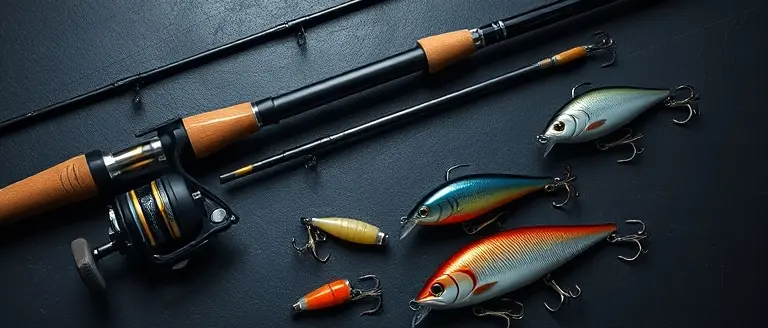
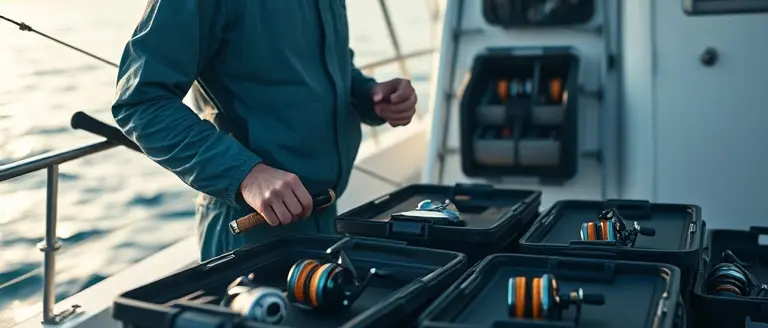
Transitioning from recreational angling to Major League Fishing (MLF) competition requires a professional-grade approach to equipment. Unlike casual fishing, MLF-style events—particularly those within the Bass Fishing League (BFL)—demand high-performance reliability. Your boat must be rigged for tournament compliance, which includes a functioning livewell system with aeration and oxygenation capabilities to ensure the health of your catch. Before heading to the ramp, ensure your vessel features a high-visibility, U.S. Coast Guard-approved safety kit, including a throwable PFD, a fire extinguisher, and a functioning ignition kill switch. Failure to maintain these mandatory safety standards can lead to immediate disqualification during boat checks.
Technical Rod and Reel Selection
Success in a competitive circuit depends on being versatile. You must be prepared to switch techniques rapidly based on water conditions. A standard competition arsenal typically includes:
- Jig/Texas Rig Setup: A 7’2” medium-heavy baitcasting rod paired with high-gear-ratio reels for quick hook sets and line retrieval.
- Topwater/Reaction Setup: A 7’0” medium-power rod with monofilament line to provide the necessary “stretch” for hook-set forgiveness.
- Finesse Setup: A 7’0” medium-light spinning rod equipped with a high-quality drag system for handling light fluorocarbon line.
Pre-Tournament Maintenance Checklist
Equipment failure during a competition is a preventable disaster. To avoid losing critical time on the water, execute this checklist 48 hours before the event:
- Battery Health: Verify that your cranking and trolling motor batteries are fully charged and that terminals are corrosion-free.
- Line Inspection: Strip old line off your reels and respool with fresh fluorocarbon or braid; never risk a break-off on a tournament-winning fish.
- Electronics Verification: Ensure your GPS mapping and fish-finding sonar units are updated with the latest software and are free of “ghost” readings.
- Livewell Functionality: Test the intake and recirculating pumps to confirm they cycle water properly under load.
By prioritizing these technical requirements and maintaining a disciplined maintenance schedule, you minimize the risk of mechanical disqualifications, allowing you to focus entirely on locating bass and climbing the leaderboard.
Elevate Your Tournament Readiness
Mastering the competitive waters of the Major League Fishing circuit requires more than just raw talent; it demands the same level of discipline you would apply to a professional project. Just as the pros rely on precise plans to navigate the complex conditions of a high-stakes tournament, you need a proven, structured approach to organize your equipment and gear for the rigorous demands of the BFL circuit. The gap between an amateur angler and a consistent competitor is often filled by the quality of their preparation and the precision of their setup.
This is where Ted’s Woodworking becomes your secret weapon. Whether you need to build custom, tournament-grade storage systems for your tackle, fabricate specialized organizational units for your boat, or create the workspace needed to maintain your rods and electronics, these plans provide the infrastructure that sets you apart. By eliminating the guesswork and technical failure points that plague amateur anglers, you gain the ability to focus entirely on your fishing strategy rather than troubleshooting your gear.
Think of these professional-grade blueprints as the foundation of your success. When you stop relying on trial-and-error and start building your gear with intent, you build a competitive advantage that stays with you long after you leave the dock. It is time to treat your equipment with the seriousness that the sport demands. Take control of your setup, refine your organizational workflow, and step onto the water with the confidence that you are fully equipped to perform at the highest level.

Build your advantage—access the professional-grade plans needed to get your gear and equipment tournament-ready.
Unlock My Results