
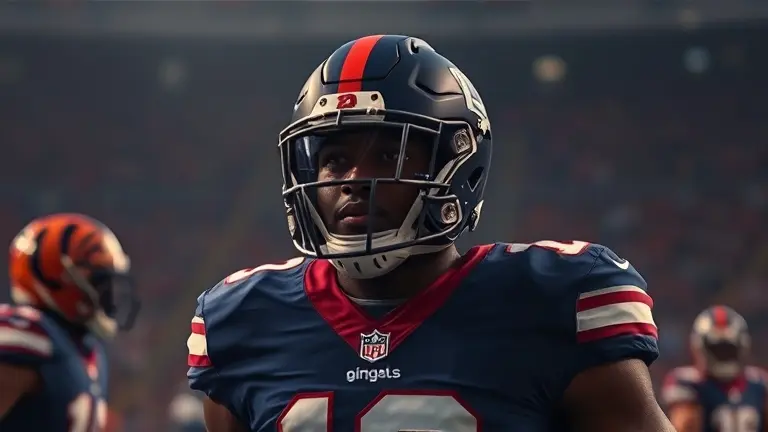
The NFL world was sent into a state of shock following the New York Giants’ decision to trade star defensive tackle Dexter Lawrence to the Cincinnati Bengals. This blockbuster move has sent ripples across the league, but for the Giants, it is a calculated, aggressive gamble that centers on a single asset: the giants second first-round pick in the upcoming 2026 NFL Draft. By parting with a cornerstone defender, the organization has signaled a desire to fundamentally restructure its competitive window.
This isn’t just about replacing one player; it is about the acquisition of total leverage. With two selections in the top 10, the Giants have moved away from the comfort of standard roster building and into an era of high-stakes maneuvering. The front office is now under immense pressure to turn this new draft capital into a championship-caliber foundation, effectively placing the team’s future on the line in a single, high-pressure draft night.
As fans and analysts scramble to predict the next move, one thing is certain: the era of the ‘status quo’ in New York has ended. The question is no longer who they will draft, but how they will utilize their newfound architectural freedom to build a sustainable, winning team. Success now hinges on having a master plan that is as precise as it is bold.
The Blockbuster Shift: Anatomy of the Lawrence-to-Bengals Trade
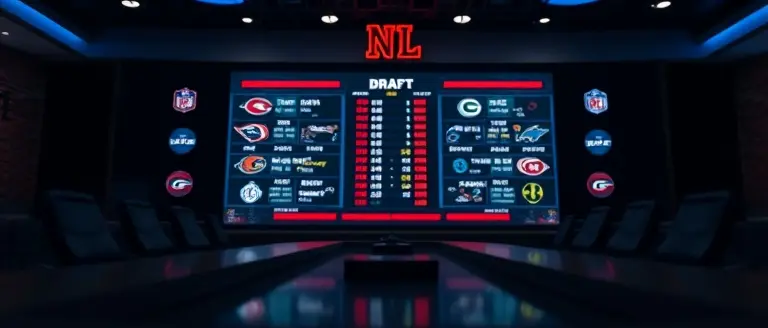
The NFL landscape shifted on its axis with the stunning announcement that the New York Giants have traded perennial Pro Bowler Dexter Lawrence to the Cincinnati Bengals. In a deal that will be analyzed for years, the Giants secured the 10th overall selection, handing them a giants second first-round pick in the 2026 NFL Draft. This transaction represents a paradigm shift for the franchise, signaling a willingness to part with elite, proven defensive talent in exchange for the high-ceiling potential of two premier rookie contracts. By moving Lawrence, the Giants are not merely shedding a contract; they are weaponizing their roster to pivot toward a new organizational identity.
Strategic Implications of the Trade
For the Giants’ front office, this move is a calculated gamble on long-term sustainability over veteran stability. The acquisition of the 10th overall pick creates an unprecedented scenario where the team can dictate the flow of the draft, potentially selecting a franchise quarterback or securing two blue-chip prospects to anchor the roster for the next half-decade.
- Draft Flexibility: With two top-10 picks, the Giants are now the primary movers in the draft room, possessing the capital to either stay put and draft high-impact talent or trade down to accumulate additional depth.
- Cap Space Optimization: Offloading Lawrence’s massive salary commitment allows the team to maneuver under the 2026 salary cap, providing the financial runway to surround their incoming rookie core with veteran free-agent contributors.
- Defensive Reconfiguration: While losing an elite interior disruptor like Lawrence is a massive blow to the current defensive front, the trade places immense pressure on the scouting department to use these premium assets to revitalize the team’s defensive identity.
This trade effectively bifurcates the Giants’ offseason path. By securing the giants second first-round pick, the organization has moved firmly out of the “middle-ground” purgatory. They are either betting on an accelerated rebuild via high-value draft picks or signaling a radical roster reload. Regardless of the outcome, the trade has fundamentally altered the 2026 NFL Draft board, leaving rivals to scramble as they adjust their own draft-day projections in response to New York’s new-found leverage.
Rebuild or Reload? Defining the Giants’ Strategic Pivot
The seismic decision to trade Dexter Lawrence to the Cincinnati Bengals for a premier giants second first-round pick has sent shockwaves through the NFL, forcing analysts to question whether the front office is initiating a complete organizational teardown or a calculated “reload.” In a league where elite interior pass rushers are rare commodities, offloading a cornerstone defender suggests that New York is prioritizing long-term roster flexibility over immediate defensive stability. By securing the 10th overall selection, the Giants are no longer tethered to a stagnant roster; they have gained the draft capital necessary to aggressively pursue a franchise quarterback or solidify multiple positions of need simultaneously.
The Risk-Reward Calculus of Trading Elite Talent
The strategic pivot relies on the assumption that the value of two top-10 selections outweighs the production of a proven, Pro Bowl-caliber veteran. While losing Lawrence creates a massive void in the trenches, the potential upside of this maneuver is significant. If the Giants utilize these picks to land a high-ceiling signal-caller and a blue-chip offensive playmaker, the trade could be viewed as the masterstroke of a modern rebuild. However, the risk is equally high:
- Opportunity Cost: Trading away a proven “anchor” player means the incoming rookies must produce at an elite level immediately to justify the loss of Lawrence’s veteran leadership.
- Capital Efficiency: Drafting two players in the top 10 allows the front office to reset the salary cap clock, potentially creating space for future marquee free-agent signings.
- The “Window” Dilemma: A true rebuild would focus on multi-year development, whereas a “reload” implies the Giants believe they are only two impact players away from genuine title contention.
Ultimately, the Giants’ current path suggests an aggressive attempt to modernize their core. By leveraging the giants second first-round pick, they have positioned themselves to control the board’s narrative. Whether this gamble results in a revitalized roster or a lingering defensive decline depends entirely on the precision of their scouting department in navigating the pressure of a high-stakes 2026 draft.
Scenario Analysis: Maximizing the Two Top-10 Picks
The acquisition of a giants second first-round pick via the blockbuster Dexter Lawrence trade fundamentally shifts the franchise’s trajectory. With two selections in the top 10, general manager Joe Schoen faces a binary strategic decision: commit to an aggressive “reload” by drafting premium talent at high-value positions or initiate a “rebuild” by trading back to accumulate depth. History suggests that while elite quarterback prospects offer the highest ceiling, the risk of “bust” potential remains a cautionary tale. Conversely, historical precedents like the 2021 49ers or the 2014 Rams demonstrate that stacking high-level talent in the trenches can stabilize a roster more effectively than banking on a single rookie signal-caller.
The Aggressive Reload: Blue-Chip Talent Acquisition
In the best-case scenario, the Giants leverage these picks to secure a franchise cornerstone at quarterback and an elite playmaker. By retaining two top-10 selections, the organization has the leverage to dictate draft-day movement, potentially allowing them to:
- Target a franchise QB: Use the acquired pick to leapfrog rivals if a consensus top-tier quarterback falls out of the top five.
- Fortify the trenches: Pair a premier offensive tackle with an edge defender, effectively replacing the interior dominance lost in the Lawrence trade with high-upside youth.
- Maximize rookie-contract value: Utilize the current CBA’s favorable financial structures to build a deep, cost-controlled core.
The Strategic Trade-Back: Sustaining Depth
Alternatively, the “worst-case” scenario involves reaching for players to fill immediate gaps rather than securing blue-chip talent. Should the Giants find the board unfavorable at their specific slots, trading back could prove superior to forced selection. By dropping back 5-10 spots, the team could acquire additional mid-round capital to address long-standing roster holes. This “Moneyball” approach mirrors successful draft strategies where volume drafting compensates for the volatility of early-round selections. Ultimately, the success of this trade hinges on the front office’s ability to resist the urge for instant gratification, ensuring that the giants second first-round pick serves as the foundation for a sustainable 2026 playoff contender rather than a reactive patch for a departed superstar.
Visualizing the Draft Board: How the Trade Disrupts the League
The New York Giants’ acquisition of a second first-round pick has effectively turned the 2026 NFL Draft into a playground where Big Blue now holds the ultimate leverage. By securing the 10th overall selection in the blockbuster Dexter Lawrence trade, the Giants have transitioned from passive participants to the primary “kingmakers” of the first round. This shift forces every team currently situated in the top 15 to reassess their board, as the Giants now possess the ammunition to aggressively jump for elite talent or command a king’s ransom from teams desperate to trade up for a franchise quarterback.
The Ripple Effect on Trade Leverage
The league-wide landscape has experienced an immediate, seismic shift. Teams that previously relied on a predictable flow of draft-day movement now face a new reality where the Giants control the middle-tier of the top ten. The ripple effects include:
- Quarterback Desperation: With two high picks, the Giants can neutralize other teams’ efforts to move up, potentially forcing rival organizations to overpay to secure the remaining top-tier passers.
- The “Trade-Down” Bottleneck: Teams hoping to trade back to acquire more assets may find their markets dried up, as other front offices look to the Giants as a more flexible trade partner.
- Divisional Rivalry Adjustments: Teams like the Dallas Cowboys and Philadelphia Eagles must now pivot their defensive scouting reports, as the Giants’ ability to plug two massive roster holes in the first round creates a new, heightened threat within the NFC East.
By holding two top-10 selections, the Giants have successfully monopolized the draft’s most valuable real estate. The decision to move on from a cornerstone player like Lawrence was clearly a calculated risk, signaling a total recalibration of their long-term roster construction. Whether they stand pat to secure blue-chip prospects or leverage these assets to maneuver further, the Giants now dictate the pace of the entire 2026 selection process, leaving the rest of the league in a state of reactive uncertainty.
Building a Championship Legacy
The New York Giants are at a pivotal crossroads. By trading a defensive titan for a second first-round pick, the organization has effectively cleared the board, leaving themselves with two massive opportunities to redefine their franchise identity. However, as any master builder knows, you cannot construct a solid, long-term foundation on speculation or guesswork; you need a precise, field-tested master plan. The difference between a championship-caliber roster and a series of costly, irreparable errors lies entirely in the accuracy of the preparation.
Just as a front office needs a ‘Draft Path Visualizer’ to navigate the complexities of the 2026 NFL Draft, you need the right tools to bring your own complex projects from concept to fruition. Whether you are aiming to build a dynasty on the gridiron or mastering the craft of fine woodworking, professional-grade blueprints and meticulous planning are your ultimate insurance against failure. You don’t leave success to chance, and neither should the Giants.
We recommend Ted’s Woodworking as your ultimate mental framework for precision. By aligning your personal projects with the same level of technical accuracy required in the NFL front office, you can eliminate waste, ensure structural integrity, and achieve flawless results every single time. Stop relying on messy concepts and start building your legacy with the confidence that comes from a proven, step-by-step master plan.

Build your own path to success and stop relying on guesswork; discover how professional-grade blueprints can transform your most complex projects from messy concepts into finished results.
Yes, I Want This Now!