
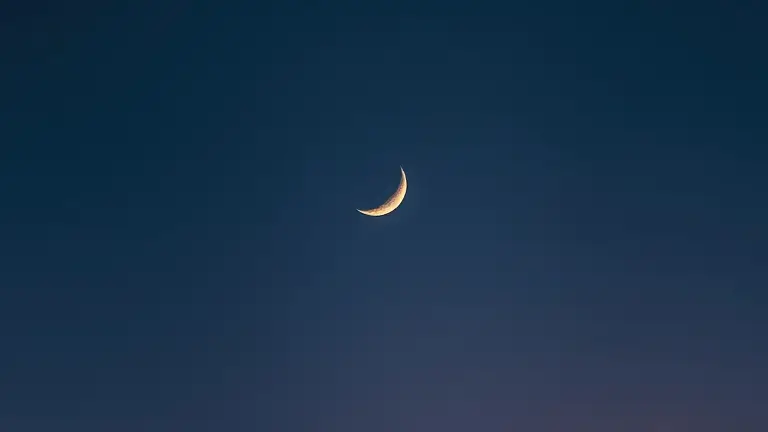
Few sights in the night sky possess the quiet majesty of a celestial convergence. When the Moon, Venus, and the Pleiades align in a tight, visual grouping, they transform the western horizon into a living canvas. This rare intersection of our closest natural satellite, our neighbor planet, and a distant, glittering star cluster creates an unforgettable spectacle that requires nothing more than your own two eyes to appreciate. It is a moment where the vast, cold mechanics of the cosmos suddenly feel intimate, personal, and profoundly beautiful.
However, for the dedicated enthusiast, simply looking up is often not enough. There is a distinct, driving urge to capture these fleeting moments with precision—to preserve the ethereal light of the Seven Sisters alongside the brilliant glow of Venus and the sharp, defined crescent of the Moon. Transitioning from a casual observer to an amateur astrophotographer is a natural evolution of this passion, but it demands more than just a camera and a tripod; it requires the technical foundation to build a stable, professional-grade platform.
In this guide, we will explore the intersection of celestial wonder and the technical craft of astrophotography. By understanding the true scale of what you are observing and mastering the equipment needed to support your imaging rig, you turn a passive viewing event into a rewarding, hands-on achievement. Whether you are aiming for that perfect, crisp long-exposure shot or simply looking to stabilize your equipment for a sharper view, the path to mastering the night sky begins with the right technical preparation.
The April 2026 Celestial Convergence: Moon, Venus, and the Pleiades
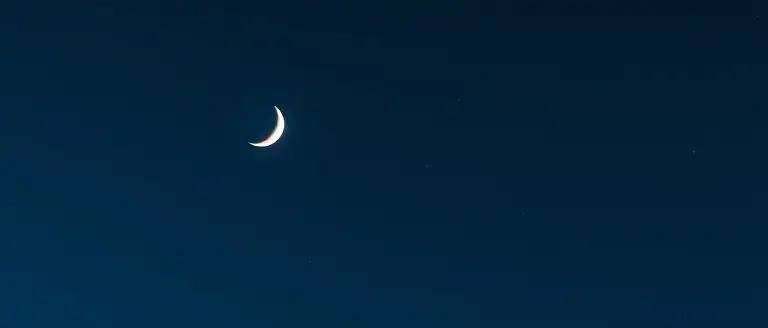
On April 18–19, 2026, skywatchers across the globe were treated to a rare and breathtaking moon venus pleiades alignment. This celestial event positioned a slender, ethereal crescent moon in close visual proximity to the brilliant planet Venus and the iconic Pleiades star cluster, also famously known as the Seven Sisters. Unlike complex astronomical phenomena that often require high-end telescopes or specialized filters, this convergence was entirely accessible to the naked eye, serving as a reminder of the beauty inherent in our solar system’s orbital mechanics. As these three distinct entities gathered in the western evening sky, they created a high-contrast tableau that remained visible even from light-polluted urban environments, making it one of the most significant amateur astronomy highlights of the year.
Why This Alignment Captured Global Attention
The reason this specific grouping garnered so much attention stems from its sheer visual impact and ease of observation. While planetary conjunctions occur with relative frequency, the inclusion of the Pleiades—a deep-sky object typically associated with darker skies—provided a stunning backdrop for the luminous Venus and the Moon.
Key reasons for the event’s popularity included:
- Zero Barrier to Entry: Observers required no optical aid; binoculars or a simple smartphone camera were sufficient to capture the scene.
- Exceptional Contrast: The pairing of the bright, reflective surface of the Moon with the intense radiance of Venus offered a striking contrast against the more subtle, flickering light of the distant stars in the Seven Sisters cluster.
- Predictable Yet Rare: While the moon passes these points frequently, the specific geometry required to bring these three subjects into such a tight, aesthetic frame happens only under precise orbital conditions.
For casual observers, this celestial convergence served as an educational gateway, prompting millions to look upward and consider the vast, disparate distances separating these objects. While they appeared to touch in our field of view, the reality is a vast cosmic perspective: the Moon is our nearest neighbor, Venus is a fellow inner-solar-system planet, and the Pleiades are a massive group of stars located over 400 light-years away. This event perfectly highlighted how the Earth’s rotation and orbital positioning can transform a standard night sky into a masterpiece of natural perspective.
Understanding Planetary Conjunctions and Stellar Clusters
When observers witness the moon venus pleiades alignment, they are experiencing a fascinating interplay of orbital mechanics and human perspective. While these celestial bodies appear grouped together in the western evening sky, this gathering is not a physical congregation in space. Instead, it is a line-of-sight visual phenomenon created by our specific vantage point on Earth. Astronomically, this event is categorized as a conjunction—a moment when two or more objects appear close together from our terrestrial view, regardless of their actual, vast distances from one another.
The Physics of Perspective
To truly appreciate this display, it is helpful to understand the radical scale differences between the subjects:
- The Moon: Our closest neighbor, orbiting Earth at an average distance of approximately 238,900 miles.
- Venus: An inner planet situated roughly 67 million miles from the Sun, often appearing bright due to its thick, reflective cloud cover.
- The Pleiades (M45): A massive, deep-space open star cluster located about 444 light-years away from Earth.
Because these entities exist on such vastly different planes, their perceived “alignment” is purely optical. While the Moon and Venus are part of our immediate solar neighborhood, the Seven Sisters are stars located in the Taurus constellation, far beyond the reaches of our planetary system.
Distinguishing Conjunctions from Clusters
A planetary conjunction occurs when planets or moons share the same celestial longitude as viewed from Earth. In contrast, the Pleiades is an open star cluster—a group of gravitationally bound stars that formed from the same giant molecular cloud. When a bright, near-Earth object like the crescent Moon passes in front of or near this distant cluster, it creates a striking visual contrast that highlights the depth of the night sky. For students and amateur astronomers, these events serve as a perfect entry point for understanding the three-dimensional nature of the universe, demonstrating that even when objects look like neighbors in our field of view, they are separated by unimaginable expanses of space.
Mastering Night Sky Photography: Capturing the Alignment
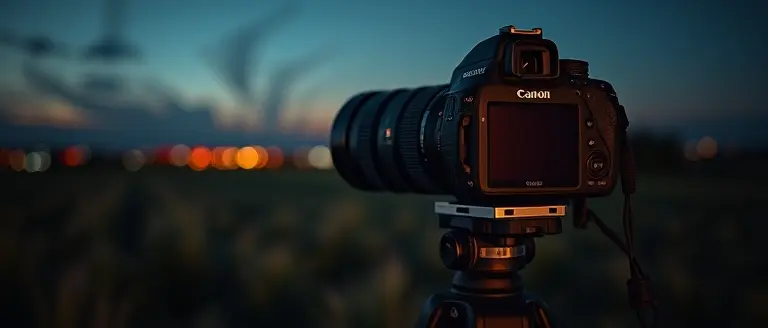
Capturing the moon Venus Pleiades alignment requires a delicate balance between the high brightness of the lunar crescent and the subtle, diffuse glow of the Seven Sisters. Because the Moon reflects intense sunlight, it can easily overwhelm your sensor, leading to a “blown-out” highlight that ruins the composition. To maintain detail, use a faster shutter speed or bracket your exposures. If you are using a DSLR or mirrorless camera, aim for a manual exposure setting, keeping your ISO relatively low (between 400 and 800) to minimize digital noise while maintaining enough sensitivity to capture the faint stars of the Pleiades star cluster.
Technical Settings for Optimal Framing
To successfully frame the trio in a single composition, your choice of focal length is paramount. A mid-range telephoto lens, typically between 85mm and 200mm, is ideal for isolating the alignment against the evening sky. If you shoot too wide, the celestial bodies will appear as insignificant specks; if you use a focal length longer than 300mm, you risk leaving out one of the three components as they drift across the frame. Consider the following best practices:
- Aperture Control: Set your lens to its “sweet spot,” usually around f/4 or f/5.6. This ensures the stars remain sharp pinpoints while providing enough depth to keep the Moon well-defined.
- Tripod Stability: Even with modern image stabilization, a sturdy tripod is mandatory. Because you are shooting in low-light conditions after sunset, any micro-vibration will cause the star trails to blur.
- Remote Shutter Release: Use a two-second timer or a cable release to prevent camera shake caused by the physical act of pressing the shutter button.
- Focusing: Switch to manual focus and use “Live View” to zoom in on the edge of the Moon or the brightest star in the cluster, ensuring your focus is tack-sharp before committing to your sequence.
By carefully managing your exposure triangle, you can transform this ephemeral celestial phenomenon into a professional-grade astrophotography image. Remember that the alignment is a temporary perspective shift; scout your location early to ensure an unobstructed view of the western horizon, away from local light pollution, to maximize the visibility of the faint stars within the cluster.
Optimal Viewing Guide for Amateur Astronomers
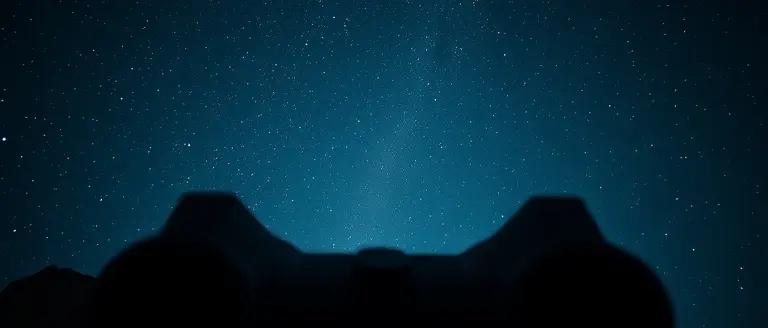
To witness the moon venus pleiades alignment at its most spectacular, strategic planning is essential. Because this celestial grouping hangs low toward the western horizon shortly after sunset, your primary goal is to secure an unobstructed view. Even minor obstructions like tall trees, power lines, or distant buildings can hide the event as it sinks toward the horizon. Seek an elevated location or an open field where the western sky remains clear and dark. Timing is equally critical; the best viewing window begins during the blue hour, roughly 30 to 45 minutes after sunset. During this interval, the sky is dark enough for the Pleiades star cluster—also known as the Seven Sisters—to emerge, yet bright enough to provide a stunning contrast against the brilliant, steady light of Venus and the slender, illuminated arc of the crescent Moon.
Enhancing Your Observation Experience
While the naked eye provides a wonderful panoramic view of this cosmic arrangement, optical aids significantly elevate the experience. Consider these tips for a more immersive session:
- Binoculars are Best: A pair of 7×50 or 10×50 binoculars are ideal for this event. They allow you to resolve individual stars within the Pleiades while keeping the Moon and Venus within the same field of view.
- Avoid High Magnification: Telescope users should stick to low-power wide-field eyepieces. High magnification will likely isolate the objects too much, causing you to lose the sense of scale and the beautiful “grouping” effect that defines this specific alignment.
- Steady Your View: Since you are tracking objects relatively low in the atmosphere, a tripod or even a steady rest (like a fence post or car roof) for your binoculars will eliminate hand-shake, allowing for a much clearer view of the delicate stellar dust and planetary features.
Remember that this celestial phenomenon is an optical perspective rather than a physical one. As you observe, keep in mind that while these objects appear grouped together, they exist at vastly different distances from Earth. You are essentially looking through a “window” of space, witnessing a momentary, beautiful alignment that highlights the dynamic nature of our solar system.
Elevate Your Stargazing Through Precision Craftsmanship
The beauty of celestial alignments lies not just in the view itself, but in the effort required to truly capture and understand them. As we have explored, transitioning from a casual observer to an amateur astrophotographer requires overcoming the limitations of standard, off-the-shelf equipment. Just as we rely on the precise celestial mechanics of the solar system to predict these beautiful alignments, you need an equally precise architectural foundation to build the custom rigs and stabilization mounts that ensure your photography is sharp, clear, and professional.
Capturing the subtle, diffuse glow of the Pleiades while balancing the intense brightness of the Moon and Venus is an engineering challenge. Generic camera mounts often fail to provide the rock-solid stability required for long exposures in low-light environments. To truly excel, you need the technical framework of an experienced builder. This is where Ted’s Woodworking becomes your essential toolkit, providing the professional-grade plans needed to turn your vague setup ideas into a custom, workshop-tested hardware reality.
Don’t let your next celestial observation be limited by instability. Whether you are building a custom tracking platform or a heavy-duty tripod mount, having the right blueprints is the difference between a blurred mess and a breathtaking capture. By mastering these DIY techniques, you transform your hobby into a craft of precision and technical achievement. Ready to build your perfect observatory setup? Click here to access 16,000 professional plans to create the custom rigs you need for your next night sky shoot.

Ready to build your perfect observatory setup? Click here to access 16,000 professional plans to create the custom rigs you need for your next night sky shoot.
Unlock My Results