
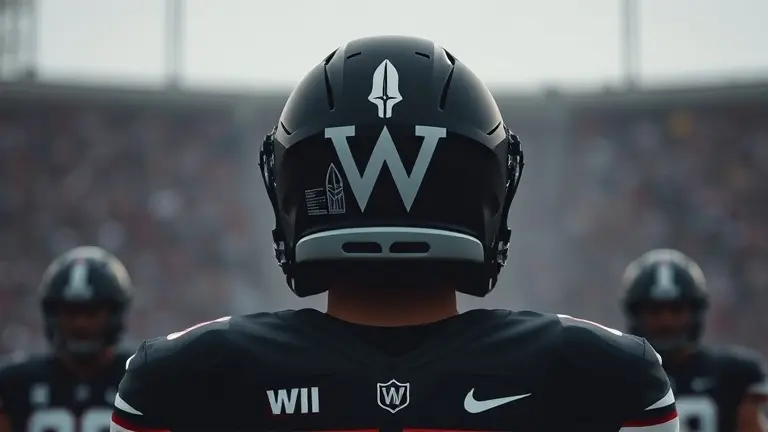
When the Washington Commanders pulled the curtain back on their 2026 uniform set on April 15, the franchise hoped to spark a wave of excitement by bridging the gap between their modern identity and their storied past. Instead, the introduction of the ‘Hail Raiser’ black alternate uniform—centered around a redesigned ‘W’ logo featuring an embedded spear—has ignited a firestorm of debate. While the organization framed this as a ‘re-embrace of the past,’ the public reaction suggests a profound disconnect between the front office’s branding strategy and the evolving ethical standards of the modern sports landscape.
The controversy stems from the inclusion of the spear, an element many observers, including prominent advocacy groups, believe serves as an inappropriate link to the team’s former, retired identity. By April 17, 2026, the discourse had shifted rapidly from the aesthetics of a uniform launch to a serious conversation about cultural insensitivity and the responsibility of professional sports franchises. This incident is more than just a design critique; it is a flashpoint for the ongoing struggle to define the boundaries of ‘heritage branding’ in a world that demands progress over nostalgia.
For fans and analysts alike, navigating this high-tension environment can be mentally exhausting. The constant back-and-forth over branding imagery creates a state of perpetual agitation, where clarity is often lost in the noise of social media arguments and corporate statements. As the public weighs in on this sensitive issue, it is essential to step back from the emotional fray and maintain the clear-headed objectivity required to understand the deeper implications of these branding decisions.
The 2026 Commanders Rebrand: A Move to ‘Re-embrace the Past’ Met with Backlash

On April 15, 2026, the Washington Commanders officially unveiled their latest uniform set, a move the organization marketed as a strategic effort to “re-embrace the past.” The centerpiece of this launch was the “Hail Raiser” black alternate uniform, which introduced a modified Washington Commanders new logo. This design features a bold, interwoven “W” complemented by an embedded spear. According to team officials, the intent behind this imagery was to signify the “leader of warriors,” an aesthetic choice aimed at blending modern branding with the franchise’s historical roots. However, what was intended to be a nostalgic nod to team history quickly devolved into a significant public relations challenge.
The Conflict Between Heritage and Modern Sensitivity
The backlash was swift and intense. While some segments of the fanbase praised the aggressive design, indigenous advocacy groups—most notably the Association on American Indian Affairs—immediately condemned the inclusion of the spear. By April 17, critics argued that the logo acts as a thinly veiled reference to the franchise’s former name and discontinued Native American-themed imagery. The following concerns have dominated the discourse:
- Erosion of Progress: Critics contend that reintroducing elements associated with the previous brand undermines the years of work the organization invested in shedding its controversial history.
- Mascot Ethics: The use of the slogan “We are not your mascot” highlights the friction between the team’s desire for “warrior” branding and the ethical imperative to respect Indigenous communities.
- Symbolic Recall: Many stakeholders view the spear as a direct visual echo of the team’s past, effectively negating the “clean break” promised during the original rebranding process.
This incident underscores a growing tension in professional sports between the commercial appeal of heritage branding and the evolving expectations of social responsibility. As the Washington Commanders navigate this firestorm, the debate remains centered on whether a professional franchise can successfully pay homage to its history without inadvertently re-traumatizing the communities it previously marginalized. The current trajectory of the 2026 uniform launch serves as a stark reminder that in modern professional sports, branding is never just about aesthetics; it is deeply tied to the cultural identity of the broader community.
The Ethical Tightrope: Nostalgia vs. Modern Branding Responsibility

The unveiling of the Washington Commanders new logo and the accompanying “Hail Raiser” black alternate uniform has ignited a fierce debate regarding the boundaries of sports marketing. For many professional franchises, leveraging nostalgia is a proven strategy to drive merchandise sales and satisfy long-term fans. However, the organization’s decision to incorporate a spear element—an aesthetic choice the team defined as a nod to a “leader of warriors”—has been widely interpreted as an attempt to evoke the franchise’s controversial, retired branding. This incident underscores the inherent risks in “heritage branding” when a team attempts to court the past while simultaneously trying to move away from systemic critiques.
The Conflict of Cultural Sensitivity
When a sports brand navigates its visual identity, the distinction between a harmless design element and a culturally insensitive trope is often dictated by the audience’s lived experience rather than the organization’s corporate intent. The backlash from advocacy groups, such as the Association on American Indian Affairs, highlights a critical failure in the team’s public relations strategy. By introducing imagery that mirrors historical Native American-themed symbols, the Commanders have inadvertently reopened wounds that the organization had previously claimed to be healing.
Key factors contributing to this branding misalignment include:
- The Halo Effect of History: Organizations often underestimate how deeply historical symbols are encoded in the public consciousness, making any “throwback” attempt a potential lightning rod for controversy.
- The “We Are Not Your Mascot” Paradigm: Modern brand equity requires moving beyond performative inclusivity toward an active understanding of how visual markers reinforce harmful historical narratives.
- The Perception Gap: While the team intended for the spear to signify leadership, the failure to anticipate how the public would connect this to the former “Redskins” era suggests a disconnect between executive strategy and modern social expectations.
Ultimately, the controversy surrounding the Washington Commanders new logo serves as a case study in the necessity of cultural due diligence. Professional sports teams operate in a highly scrutinized arena where branding is never just a matter of design; it is a reflection of a franchise’s core values and its commitment to a diverse, contemporary fanbase. When nostalgia is prioritized over cultural awareness, the result is often a fractured relationship with the public that far outweighs the aesthetic gains of a new uniform launch.
Comparative Analysis: Navigating Heritage in Modern Professional Sports
The challenge of balancing heritage branding with modern social expectations has become a defining hurdle for professional sports franchises. The Washington Commanders new logo controversy, specifically the integration of the spear into the “Hail Raiser” alternate uniform, serves as a poignant case study in the risks of nostalgia. When organizations attempt to “re-embrace the past” after moving away from controversial identities, they often encounter friction from advocacy groups and segments of the public who view these design choices as an attempt to maintain a connection to imagery deemed harmful or exclusionary.
Strategies in Legacy Transitions
Historical data from other professional leagues suggests that the most successful rebrands—those that minimize backlash—prioritize a clean break rather than a “bridge” approach. Comparative outcomes reveal distinct patterns in how franchises handle the transition away from sensitive cultural iconography:
- The Total Rebrand Approach: Organizations that completely retired all legacy symbols often faced shorter periods of brand dissonance. By establishing an entirely new identity, these teams avoided the “tugging” effect where nostalgic design elements invite unwanted scrutiny regarding the franchise’s history.
- The “Nod to the Past” Risk: When a team, such as the Washington Commanders, attempts to incorporate subtle cues from previous identities, they risk alienating audiences who perceive this as a lack of commitment to inclusivity. Unlike a successful “throwback” jersey that honors a city’s athletic history, incorporating symbols that were previously associated with marginalized groups often triggers significant public backlash and ethical debates.
- Community Consultation: Successful transitions typically involve prolonged, transparent engagement with the indigenous communities originally referenced by the legacy brand. Failing to secure buy-in before unveiling elements like the spear-embedded ‘W’ can result in the perception that the franchise is ignoring its social responsibility in favor of aesthetic appeal.
Ultimately, the friction surrounding the Washington Commanders’ 2026 uniform set highlights a critical divide between the commercial desire to monetize nostalgia and the ethical imperative to move toward a more representative, modern identity. While the team stated their intent was to represent a “leader of warriors,” the negative reception from groups like the Association on American Indian Affairs underscores that intent does not always mitigate the impact of design choices in a sensitive cultural landscape.
Advocacy and Accountability: The ‘We Are Not Your Mascot’ Movement

The unveiling of the Washington Commanders new logo and the accompanying “Hail Raiser” alternate uniform on April 15, 2026, was intended to celebrate franchise history. However, the decision to incorporate a spear design into the interwoven “W” logo has triggered an immediate and intense wave of backlash from Native American advocacy groups. For many organizations, including the Association on American Indian Affairs, the inclusion of the spear is viewed not as a benign design choice, but as a regression that ignores the progress made during the franchise’s multi-year transition away from its previous, widely condemned identity.
The Impact of the ‘We Are Not Your Mascot’ Slogan
The criticism has coalesced around the powerful slogan, “We are not your mascot,” which has become the focal point of the current public discourse. Advocates argue that by reintroducing imagery synonymous with the team’s controversial past, the organization is failing to uphold the commitment to inclusivity it promised fans and the indigenous community alike. The backlash highlights several critical points of contention:
- Erosion of Progress: Critics contend that the spear emblem serves as a nostalgic bridge to imagery that was retired specifically because it was deemed harmful and offensive.
- Misalignment of Intent: While the team’s branding department stated the spear was meant to symbolize the “leader of warriors,” advocacy groups argue that branding intent does not absolve the organization of the actual impact such symbols have on marginalized communities.
- Corporate Accountability: The rapid mobilization of advocacy organizations reflects a growing demand for professional sports franchises to prioritize ethical branding over the commercial temptation of “heritage” aesthetics.
By April 17, 2026, it became clear that the controversy had eclipsed the technical launch of the uniform set. The narrative has shifted from aesthetic appreciation to a debate over corporate social responsibility. For the Washington Commanders, this situation demonstrates the complex challenge of attempting to balance a desire for traditionalist fan appeal with the modern, non-negotiable requirement for cultural sensitivity in professional athletics. The dominance of the “We are not your mascot” movement signals that stakeholders remain vigilant, ensuring that history is not repeated under the guise of design innovation.
Finding Clarity Through the Noise
The intense public debate surrounding the Washington Commanders’ latest uniform redesign serves as a reminder of how quickly high-stakes narratives can spiral into cognitive chaos. As fans, analysts, and observers digest the competing perspectives on heritage branding and cultural responsibility, it becomes increasingly difficult to cut through the ‘mental fog’ that these polarized news cycles generate. Navigating such complex public issues requires not just passion, but a high level of mental resilience and focused objectivity.
In moments where the media landscape feels overwhelmed by conflict, it is essential to cultivate the internal clarity needed to think critically rather than emotionally. This is exactly where The Brain Song becomes an indispensable tool for your daily routine. By helping you reduce the stress of constant information intake and sharpening your cognitive focus, it serves as a ‘calm anchor’ that allows you to step back from the fray and process modern events with a clearer, more objective mind.
Don’t let the fatigue of ongoing social friction cloud your judgment. By integrating this 12-minute auditory routine into your life, you are choosing to prioritize your mental performance and reclaim your space in the digital age. It is time to move beyond the frustration of endless cycles and equip yourself with the resilience needed to face today’s challenges with absolute mental sharpness.

Regain your mental clarity amidst the chaos: Discover the 12-minute auditory routine that helps you tune out the noise and reclaim your focus.
Yes, I Want This Now!