

The 2026 BMW Open in Munich will be remembered as the tournament where Flavio Cobolli firmly announced his arrival to the world stage. As the tennis world watched the ATP 500 event reach its climax on April 19, 2026, it wasn’t just the final result that dominated the conversation; it was the extraordinary emotional and tactical growth displayed by the young Italian throughout the week.
For many, the defining image of the tournament was Cobolli’s raw, tear-filled reaction following his stunning upset of world No. 3 Alexander Zverev in the semi-finals. This moment of vulnerability, followed by a hard-fought battle against eventual champion Ben Shelton in the final, captured the essence of professional tennis: the fine line between physical fatigue and the sheer mental power required to stay competitive at the highest level.
In this analysis, we delve beyond the scoreline to explore what truly drives a rising star like Cobolli. We examine the tactical evolution required to master the clay-court season and the cognitive discipline that separates top-tier contenders from the rest of the pack—a level of mental acuity that is becoming increasingly essential for both professionals and those looking to optimize their own focus.
The Munich Breakthrough: A Defining Moment for Flavio Cobolli
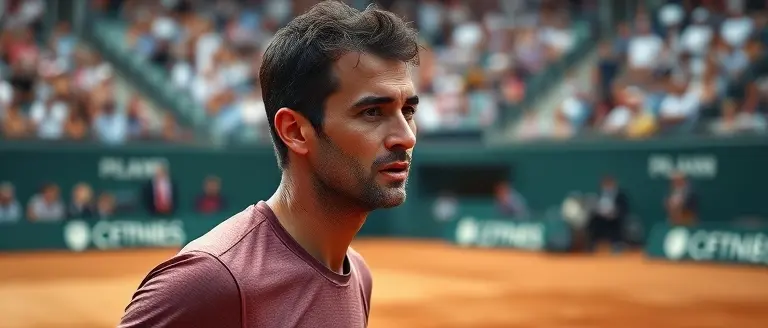
While the final score of the 2026 BMW Open saw Ben Shelton capture the title with a 6-2, 7-5 victory, the tournament will be remembered primarily for the meteoric emergence of Flavio Cobolli. For the young Italian, reaching the final in Munich was not merely a statistical achievement; it was a psychological milestone that validated his transition from a promising prospect to a legitimate force on the ATP Tour. Although he fell short against Shelton’s aggressive service game and tactical variety, Cobolli’s performance throughout the week demonstrated a newfound maturity in his clay-court movement and shot selection that suggests he is ready to challenge the sport’s elite consistently.
The Semifinal Catalyst: Defeating the World No. 3
The true gravity of Cobolli’s run was crystallized during his semifinal victory against Alexander Zverev. Dominating the German in straight sets (6-3, 6-3), Cobolli displayed a level of tactical composure that overwhelmed one of the world’s premier clay-court specialists. The emotional outpouring witnessed after match point—where the 24-year-old was moved to tears—underscored the significance of the win. This victory served as:
- A Statement of Intent: Proving that his game can hold up under the pressure of deep tournament runs against top-five opponents.
- Tactical Validation: Highlighting his ability to neutralize heavy hitters with disciplined, aggressive baseline tennis.
- Mental Toughness: Demonstrating the ability to recover physically and emotionally after high-stakes matches to return to the court for a final.
By cementing his presence in Munich, Cobolli has effectively signaled to the rest of the tour that he is a rising threat. Moving forward, the challenge for the Italian will be maintaining this level of consistency during the grueling lead-up to the season’s remaining Majors. If his performance at the ATP Munich event is any indication, the tennis world should expect to see him climbing the rankings as a permanent fixture among the ATP elite.
Tactical Evolution: How Cobolli is Mastering the ATP Transition

Flavio Cobolli has undergone a significant technical transformation, evolving from a raw talent into a calculated baseline strategist. While his earlier career was often defined by sporadic aggression, his performance at the ATP Munich tournament showcased a newfound discipline in shot selection. Cobolli has markedly improved his lateral movement and court coverage, allowing him to neutralize power hitters by extending rallies and forcing opponents into uncomfortable third or fourth balls. This defensive maturity was on full display during his semi-final victory over Alexander Zverev, where he utilized heavy topspin to push the world No. 3 deep behind the baseline, preventing the German from dictating play.
His tactical growth is particularly evident in how he manages high-pressure points. By balancing an aggressive baseline style with a more patient approach to construct points, cobolli has minimized unforced errors that previously hindered his consistency. Key areas of this evolution include:
- Improved Serve Placement: Rather than relying solely on pace, he now mixes precision and spin to set up his favored forehand strike.
- Neutralization Tactics: He has developed a superior ability to absorb pace, turning defensive scramble situations into neutral or attacking rallies.
- Mental Resilience: The emotional breakthrough witnessed in Munich highlights a shift in his psychological profile; he now maintains tactical composure even after dropping a set or facing break points.
While the final against Ben Shelton highlighted a need to better handle serve-and-volley pressure, the trajectory is clear. The transition from a challenger-level prospect to a perennial threat on the ATP Tour requires a blend of physical endurance and tactical intelligence. Flavio Cobolli is currently mastering this balance, proving that his game is no longer just about explosive winners, but about the surgical dismantling of top-tier defenses. As he continues to refine his movement on clay, he is positioning himself as a formidable force for the remainder of the 2026 season.
The Psychology of the Upset: Analyzing the Zverev Semifinal

The path to the ATP Munich final was paved with a career-defining moment for Flavio Cobolli, who delivered a clinical 6-3, 6-3 masterclass against world No. 3 Alexander Zverev. Defeating a top-tier opponent on the clay courts requires more than technical precision; it demands a high level of mental fortitude and the ability to absorb pressure without conceding ground. Cobolli’s victory was a psychological turning point, demonstrating that he has transitioned from a promising talent to a genuine threat capable of dismantling elite competitors in high-stakes environments. This performance underscored his growing tactical maturity and his refusal to be intimidated by the stature of a home favorite and Grand Slam contender.
Emotional Release and Professional Growth
The moment the final ball dropped against Zverev, the tears visible on Cobolli were not a sign of fragility, but rather a profound release of the tension inherent in professional tennis. The journey to break into the upper echelons of the world rankings is a grueling, often solitary process that requires immense emotional investment. For Cobolli, this win served as the validation of years of rigorous training and sacrifice.
- Mental Resilience: The ability to maintain composure while facing the relentless groundstrokes of a player like Zverev indicates a refined “big match” temperament.
- Significance of the Upset: This victory shifted the narrative surrounding cobolli, proving that his game translates effectively to high-pressure moments where strategy often gives way to raw desire.
- The Weight of Expectation: Breaking the top-tier barrier requires the mental capacity to handle the shift from underdog to match favorite, a transition that many players struggle with during their formative years.
By embracing the emotional weight of his semi-final triumph, the Italian star proved that he possesses the internal drive necessary to sustain a long-term career at the top of the tour. This psychological breakthrough was essential, as it provided the confidence required to carry him into the final match against Ben Shelton, solidifying his status as a player to watch throughout the remainder of the 2026 clay court swing.
The Road Ahead: Building a Sustainable Future on Tour

The runner-up finish at the ATP Munich tournament serves as a pivotal validation for Flavio Cobolli, signaling that his transition from a promising prospect to a genuine threat on the ATP Tour is well underway. While the final loss to Ben Shelton was a tactical setback, the tournament highlighted his remarkable psychological growth, particularly following his high-stakes victory over Alexander Zverev. To maintain this upward trajectory throughout the remainder of the 2026 clay court swing, Cobolli must now focus on the delicate balance of high-intensity competition and physical preservation. His ability to recover from the emotional peak of a semi-final upset suggests a maturing temperament, a trait that will be essential as he prepares for the looming pressures of upcoming Masters 1000 events and the Grand Slam schedule.
Strategic Objectives for Continued Growth
To capitalize on his breakthrough, Cobolli’s team must refine his approach to the grueling ATP calendar. Scaling the rankings requires more than just raw talent; it demands a structured methodology regarding recovery and event selection. Moving forward, his development will likely center on these critical pillars:
- Tactical Versatility: While his aggressive style is effective, building “Plan B” options on slower clay surfaces will prevent opponents from neutralizing his power, as Shelton successfully did in the final.
- Conditioning Protocols: As a rising star, Cobolli must prioritize elite-level endurance to handle the high-repetition rallies that define major clay-court tournaments.
- Tournament Management: Strategic rest periods between high-level events will be vital to avoid burnout, ensuring he remains physically primed for best-of-five set formats at the Grand Slams.
If cobolli continues to harness the momentum gained from this Munich performance, he is well-positioned to break into the higher echelons of the rankings. By treating his runner-up finish not as a ceiling, but as a blueprint for professional consistency, the Italian is undoubtedly one of the most exciting prospects to track as the 2026 season progresses toward its climax.
Master Your Own Competitive Mindset
The rise of Flavio Cobolli at the 2026 BMW Open is more than just a sports headline; it is a masterclass in the necessity of cognitive fortitude. Whether it is a professional athlete facing a world-class opponent or an individual navigating the high-pressure demands of modern life, the ability to maintain clarity amidst chaos is the true defining factor of success. Just as Cobolli had to recalibrate his mental state to secure his historic semi-final win, peak performance requires more than physical skill—it demands a refined, focused state of mind.
This is where The Brain Song bridges the gap. By leveraging neuroscience-based cognitive training, you can cultivate the same level of calm, alert focus that defined Cobolli’s breakthroughs in Munich. If you are ready to eliminate the mental fog that clouds your decision-making and performance, this tool serves as your competitive edge, helping you achieve a state of flow that is consistent, sustainable, and powerful.
Stop leaving your cognitive capacity to chance. Integrate this 12-minute daily auditory routine into your life and experience the transformative power of elite mental clarity. It is time to treat your mind with the same level of discipline and professional care as an elite athlete training for the world stage.
 Unlock your own competitive focus and eliminate mental fog with this 12-minute daily auditory routine.Transform My Life Today