
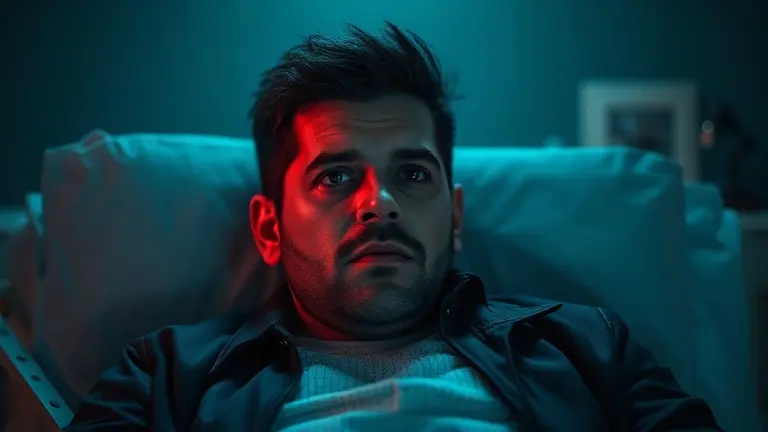
The recent, highly publicized incident involving celebrity blogger Perez Hilton has sent shockwaves through the digital landscape, sparking urgent conversations about the ethics of live-streaming and the profound psychological pressures faced by public figures. As reports from outlets like Variety confirm that Hilton is currently hospitalized following a distressing live-streamed event, the public’s concern has shifted from mere curiosity to a deeper, more systemic inquiry. Who is Perez Hilton in the eyes of his audience, and what does this incident reveal about the fragile intersection between influencer culture, parasocial relationships, and the rapid, often unchecked, dissemination of graphic content?
As we navigate this evolving situation, it is imperative to address the broader implications of safety protocols on social platforms and the responsibility of those in the spotlight. Rather than succumbing to the sensationalist cycle, we must prioritize an ethical dialogue surrounding mental health transparency. This is not just a story about a public figure; it is a wake-up call regarding the mental bandwidth we consume every day and the necessity of establishing clear, supportive boundaries in our digital lives.
Updates on Perez Hilton’s Hospitalization: Current Health Status
In early August 2026, the media landscape was deeply impacted by a distressing incident involving celebrity blogger Perez Hilton. During a perez hilton live stream, the internet personality reportedly engaged in acts of self-harm, an event that was witnessed by viewers in real-time. Emergency services were alerted to the situation, leading to his immediate transport to a medical facility. Since the incident, questions regarding who is perez hilton in the context of this mental health crisis have dominated public discourse, shifting the focus from his long-standing career in celebrity gossip to the urgent necessity of mental health transparency and professional intervention.
Current Medical Outlook and Surgical Requirements
Following the incident, official reports from outlets such as Variety and TheWrap have confirmed that the blogger is currently receiving treatment. As of the most recent family updates, his condition is categorized as “serious but stable.” While he remains under close medical supervision, his family has confirmed that he will require upcoming surgery to address injuries sustained during the event. This confirmation highlights the severity of the situation and underscores the reality of the crisis that unfolded during his live today broadcast.
Key details regarding the medical status of Perez Hilton include:
- Immediate Hospitalization: He was admitted following the live-streamed incident in early August 2026.
- Clinical Condition: Medical staff and family representatives have classified his health status as stable but serious.
- Surgical Intervention: Doctors have scheduled a surgical procedure to manage the injuries, with no specific recovery timeline provided to the public.
This situation serves as a stark reminder of the volatile nature of live-streamed content and the potential for rapid escalation in digital spaces. As public search interest regarding what did perez hilton do to himself remains high, it is vital to prioritize factual reporting over speculation. If you or someone you know is struggling, help is available. You can contact the 988 Suicide & Crisis Lifeline by dialing 988 or visiting their website for 24/7 confidential support.
The Impact of Influencer Culture on Mental Well-being

The recent, highly publicized incident involving Perez Hilton—who remains in serious but stable condition after a distressing live stream—has ignited a critical conversation regarding the systemic pressures of the creator economy. While audiences often view influencers through the lens of parasocial relationships, the reality behind the screen is frequently characterized by the relentless demand to remain “always on.” This culture of constant performance creates unique psychological stressors, as digital personalities are incentivized by algorithms to maintain high engagement levels, often at the expense of their own mental health. The intersection of visibility and vulnerability is precarious; when an influencer’s livelihood is tied to their public persona, the distinction between a personal crisis and performative content can become dangerously blurred.
Systemic Pressures and the ‘Always-On’ Expectation
The pressure to stay relevant in a fast-paced digital environment often forces creators to navigate extreme professional burnout. Evidence suggests that the drive for constant content generation—evidenced by those searching for a Perez Hilton live today—contributes to a cycle of exhaustion that is rarely addressed by the platforms hosting these streams. Systemic stressors include:
- Algorithmic Anxiety: The persistent fear of losing relevance or visibility if engagement drops.
- Parasocial Fatigue: The emotional labor required to maintain artificial intimacy with massive, often critical, online audiences.
- Lack of Boundaries: The erosion of personal privacy as creators feel compelled to share their most vulnerable moments to sustain their brand.
These factors create a high-stakes environment where mental health transparency is often commodified rather than supported. Addressing the broader implications of this incident requires a shift in how both audiences and platforms approach the responsibility of digital safety. It is essential to recognize that behind every search query regarding what did Perez Hilton do to himself, there is a human being facing systemic pressures that the current digital infrastructure is ill-equipped to manage.
If you or someone you know is struggling or in crisis, help is available. You can call or text 988 or chat at 988lifeline.org in the US and Canada, or contact your local emergency services.
Promoting Safety and Responsibility in Digital Spaces

The recent distress involving Perez Hilton during a live stream has ignited a necessary, albeit somber, conversation regarding the architecture of digital safety and the ethical obligations of content creators. When an influencer encounters a crisis in real-time, the lack of immediate intervention protocols highlights a systemic failure in current platform moderation tools. Relying solely on automated algorithms to detect self-harm is insufficient; there is an urgent need for human-in-the-loop oversight and more robust, rapid-response crisis teams capable of disabling streams and alerting emergency services before a situation escalates to a medical emergency requiring surgery.
The Role of Platforms and Community Accountability
Beyond platform-level policy, digital communities play a vital role in de-escalating potential crises. Parasocial relationships often blur the lines between entertainment and genuine human connection, but viewers must recognize that they are not a substitute for professional mental health support. Addressing what did Perez Hilton do to himself involves shifting the discourse away from voyeuristic curiosity toward proactive support strategies. To improve safety, we must consider:
- Enhanced Moderation: Platforms should implement “panic buttons” for creators and viewers that trigger immediate, priority-flagged reviews.
- Proactive Resource Integration: Integrating direct links to mental health resources, such as the 988 Suicide & Crisis Lifeline, directly within the livestream interface.
- Creator Education: Influencers must undergo mandatory training on digital well-being and identifying signs of psychological distress within their own broadcasts.
Transitioning from the reactive consumption of graphic content to a culture of empathy is the only way to mitigate the harmful impacts of the “Werther effect.” While the public remains concerned about Perez Hilton’s status following his live stream today, the focus must remain on systemic change. Protecting vulnerable individuals in the digital age requires a tripartite commitment from platforms, creators, and the audience to prioritize life over engagement metrics.
If you or someone you know is struggling, help is available. You can call or text 988 in the US and Canada, or contact your local emergency services immediately.
Resources for Mental Health and Support

The recent distress surrounding Perez Hilton and the public concern following his live-streamed incident highlights the critical necessity of accessible mental health resources. When public figures face severe crises, it serves as a stark reminder that mental health struggles do not discriminate based on fame or status. If you or someone you know is experiencing emotional distress, thoughts of self-harm, or is in the midst of a mental health crisis, please know that immediate, confidential support is available 24/7. Seeking professional intervention is not a sign of weakness; it is a vital step toward safety and recovery.
Immediate Crisis Support Services
If you are in the United States, there are dedicated channels designed to provide immediate assistance:
- 988 Suicide & Crisis Lifeline: Call or text 988 to connect with trained counselors. This service is free, confidential, and available at any time of day or night. You can also visit 988lifeline.org for online chat options.
- Crisis Text Line: Text “HOME” to 741741 to connect with a Crisis Counselor. This platform is ideal for those who prefer text-based communication over speaking on the phone.
- The Trevor Project: Specifically for LGBTQ+ youth, call 1-866-488-7386 or text START to 678-678.
- Emergency Services: If there is an immediate risk of physical harm or a medical emergency, call 911 or proceed to the nearest emergency room immediately.
Prioritizing Digital and Emotional Well-being
The discourse surrounding what happened to Perez Hilton often overlooks the importance of proactive mental health management. Whether you are dealing with the impact of viewing distressing live stream content or managing personal mental health challenges, prioritizing your digital and emotional environment is essential. Engaging with resources like the National Alliance on Mental Illness (NAMI) at 1-800-950-NAMI or visiting their website can provide families and individuals with the educational support and advocacy tools needed to navigate complex mental health issues effectively. Remember, reaching out for professional help is the most effective way to address the systemic pressures of digital life and personal turmoil.
Prioritizing Your Mental Clarity in a Digital World
The recent, distressing events surrounding Perez Hilton serve as a stark reminder of the hidden toll that the high-speed, high-stress environment of influencer culture can take on individuals and observers alike. When we witness such graphic displays of pain, it often leaves us feeling mentally fatigued and disconnected. It is critical that we move beyond sensationalism to foster a healthier, more ethical digital space—one that prioritizes transparency and genuine human well-being over raw content consumption.
While we grapple with the broader systemic implications of these digital events, it is equally vital to prioritize our own mental bandwidth and cognitive health in an era of constant, high-stress information consumption. To maintain your equilibrium, you must intentionally seek out tools that help ground your nervous system and support cognitive function, effectively shielding yourself from the inevitable fog of digital overwhelm.
We recommend The Brain Song as a scientifically backed, non-invasive auditory solution designed to provide the neurological stability you need. By utilizing precise sound frequencies, it helps clear mental fog and supports healthy brain function, making it an essential companion for anyone feeling the drain of today’s exhausting media cycle.
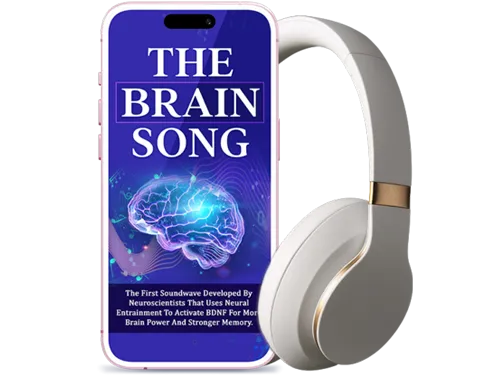 If you are feeling mentally fatigued from the current news cycle, explore how simple, daily auditory stimulation can help restore your focus and mental equilibrium.Transform My Mental Clarity Today!