
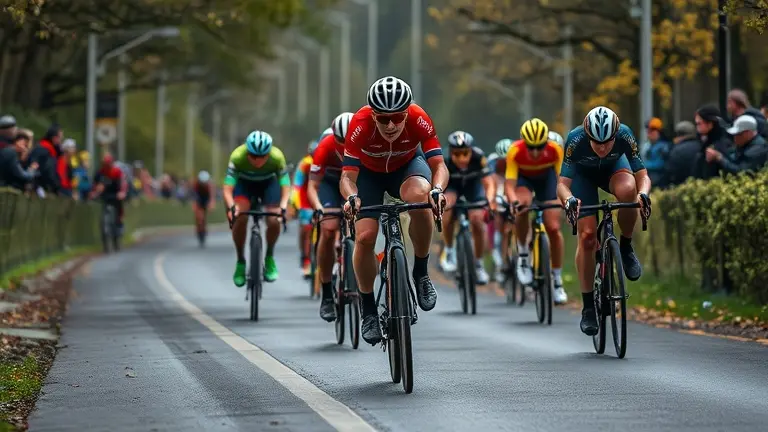
The Amstel Gold Race 2026 has etched itself into the annals of cycling history as an unforgettable spectacle of tactical brilliance and unexpected drama. Taking place on April 19, this premier Ardennes classic delivered everything fans hoped for: a high-stakes duel between cycling superstars and the emergence of a new, fierce talent in the women’s peloton. The air in Limburg was thick with tension as the best in the world navigated the iconic, punchy climbs that have defined this race for generations.
The results provided both exhilarating triumphs and heart-wrenching setbacks. While the men’s race saw a strategic chess match resulting in a masterful victory for Remco Evenepoel, the women’s race was completely upended by rookie sensation Paula Blasi. Yet, the day was not without its shadows, as a high-profile crash involving Matteo Jorgenson left the community reeling and forced a recalibration of expectations for the remainder of the spring classics.
This comprehensive report dives deep into the race dynamics, analyzing the decisive moves that led to the podium, the medical outlook following key injuries, and the technical brilliance behind the season’s most shocking upset. Whether you are a casual observer or a dedicated analyst, these are the moments that define the 2026 season—and the key takeaways you need to understand how the landscape of professional cycling has shifted in a single afternoon.
Amstel Gold Race 2026: A Historic Day in the Ardennes
The 2026 Amstel Gold Race, held on April 19, will be remembered as one of the most volatile and exhilarating editions in the history of the Ardennes classics. In a masterclass of tactical precision, Remco Evenepoel of Red Bull-Bora-Hansgrohe cemented his status as a cycling titan by outmaneuvering Mattias Skjelmose in a tense, two-man sprint to the finish line. Evenepoel’s victory was the culmination of aggressive riding throughout the final loop, proving his tactical superiority on the winding, punchy roads of the Netherlands.
While the men’s race provided a strategic chess match, the women’s event delivered a monumental shock to the peloton. Rookie sensation Paula Blasi, riding for UAE Team ADQ, executed a bold solo attack that caught the favorites off guard, securing a breakout win that signals a shift in the hierarchy of women’s cycling. Her ability to hold off the chase group displayed remarkable endurance and maturity for a newcomer, making her a name to watch closely for the remainder of the season.
However, the day was not without tragedy, as the peloton faced a significant blow during the chaotic mid-race maneuvers. American contender Matteo Jorgenson was involved in a high-profile crash that ended his race prematurely. Official reports have since confirmed that Jorgenson suffered a broken collarbone, casting a shadow of uncertainty over his participation in the upcoming Ardennes classics.
Key Takeaways from the 2026 Race
- Tactical Sprinting: The Evenepoel-Skjelmose duel highlighted the importance of position management in the closing kilometers of the Amstel Gold Race 2026.
- The Blasi Breakthrough: Paula Blasi’s solo victory serves as a reminder of the rapid evolution of talent within the UAE Team ADQ roster.
- Injury Impact: The loss of Matteo Jorgenson significantly alters the strategic outlook for riders heading into La Flèche Wallonne and Liège–Bastogne–Liège, as teams adjust their rosters and lead riders to account for his absence.
The Tactical Masterclass: Breaking Down the Final Kilometers
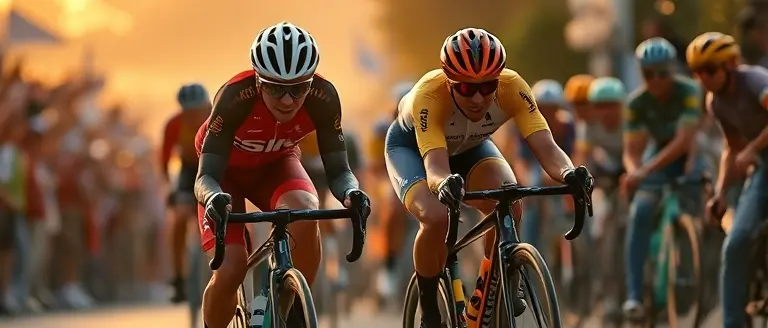
The Amstel Gold Race 2026 finale will long be studied by cycling analysts as a masterclass in tactical patience and physical dominance. Entering the final 10 kilometers, the race dynamics were defined by Red Bull-Bora-Hansgrohe’s clinical control at the front of the peloton. By maintaining a high, steady tempo, the team successfully neutralized speculative attacks from rival squads, effectively softening the field before the decisive ascent of the Cauberg. This pressure set the stage for Remco Evenepoel, who exploited a momentary tactical hesitation among the leaders to initiate the decisive move that would eventually create the winning gap.
The Decisive Breakaway
When Evenepoel launched his trademark acceleration, only Mattias Skjelmose possessed the explosive capacity to track him. This two-man breakaway was the culmination of a high-stakes chess match played out over the final punchy climbs. Once the duo established a gap, the tactical focus shifted entirely to the closing sprint. Key observations from the final kilometer include:
- Pace Regulation: Evenepoel utilized his superior time-trialist background to force Skjelmose to do a share of the work, ensuring neither rider was caught by the chasing group.
- The Sprint Dynamics: Entering the final straight, Skjelmose attempted to force Evenepoel to lead out, but the Belgian star countered by holding a tight line, forcing his opponent to traverse the longest route around the final bend.
- Physical Dominance: Evenepoel’s ability to sustain a high-wattage kick after nearly 260 kilometers of racing highlights his elite conditioning.
The race concluded with a high-intensity sprint that ultimately favored Evenepoel’s raw power over Skjelmose’s tactical maneuvering. By forcing the issue early and dictating the pace in the closing meters, the Red Bull-Bora-Hansgrohe leader demonstrated why he remains the premier favorite in the Ardennes classics. This victory was not merely a result of individual strength, but a perfectly executed team plan that exploited the specialized demands of the Amstel Gold course.
Injury Report: Matteo Jorgenson and the Impact of the Crash
The 2026 Amstel Gold Race was marred by a high-profile crash that sidelined American cycling star Matteo Jorgenson during a pivotal moment of the race. Medical evaluations performed immediately following the incident confirmed that Jorgenson suffered a broken collarbone. This injury, a common yet debilitating setback in professional cycling, effectively ended his campaign for the remainder of the spring classics. Team medical staff have confirmed that he has undergone successful stabilization, but the recovery process will necessitate a total cessation of high-intensity training to ensure proper bone union.
Recovery Timeline and Medical Outlook
While the exact duration of his absence depends on the severity of the fracture and subsequent surgical intervention, standard recovery timelines for a clavicle fracture in professional road cyclists typically range from four to six weeks. This assessment places Jorgenson’s return to competitive racing in late May or early June, depending on how his body responds to the initial healing phase. His immediate focus will shift from the intensity of the Ardennes classics to a structured rehabilitation program, likely involving:
- Surgical intervention to plate and secure the collarbone.
- Low-impact stationary cycling to maintain cardiovascular fitness without straining the shoulder.
- Physical therapy sessions to restore full range of motion in the shoulder girdle.
Impact on the Ardennes Classics
Jorgenson’s exit creates a significant tactical void for his team in the lead-up to the remaining Ardennes classics. As a versatile rider capable of bridging gaps and controlling pace on the punchy climbs, his absence forces his squad to recalibrate their strategy. With the Amstel Gold Race 2026 results already highlighting the dominance of riders like Remco Evenepoel, the loss of a key contender like Jorgenson shifts the balance of power, leaving rival teams to capitalize on the reduced depth of the peloton. His absence is a blow to American cycling fans who were eager to see him contend for podium finishes in the season’s most prestigious one-day races.
Paula Blasi: The Rookie Who Shocked the Peloton
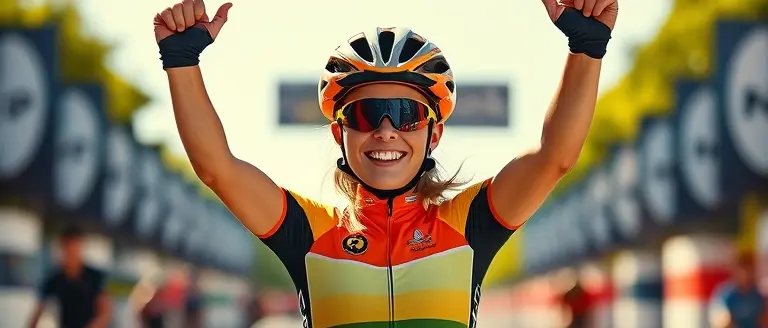
The Amstel Gold Race 2026 will long be remembered not just for the tactical masterclass in the men’s field, but for the stunning emergence of UAE Team ADQ rookie Paula Blasi. In a sport often dominated by established hierarchies and veteran peloton leaders, Blasi’s victory serves as a watershed moment for the women’s circuit. Entering the race with little fanfare, the young rider executed a high-risk strategy that caught even the most experienced tactical directors off guard. Her decisive solo move on the final climb was not merely an act of desperation but a calculated gamble that displayed maturity well beyond her years. Analysts noted that Blasi utilized the technical complexity of the Limburg terrain to create a gap that the chasing pack, paralyzed by indecision and shifting alliances, could never bridge.
Anatomy of a Breakthrough
Blasi’s rise to the top of the podium was the culmination of a rapid career trajectory that showcased her prowess in punchy, short-duration climbs. Prior to the 2026 season, she displayed flashes of brilliance in U23 categories, yet her ability to translate that potential into an Ardennes classic win is unprecedented. Following her victory, team insiders highlighted several key factors that allowed for such a dominant performance:
- Tactical Bravery: Blasi identified a lull in the chase group’s pace, recognizing that the primary contenders were watching each other rather than the road ahead.
- Mechanical Efficiency: Her ability to maintain high power output on the steep, narrow gradients of the Amstel course minimized her energy expenditure during the final ten kilometers.
- Mental Resilience: Despite the immense pressure of the closing stages, Blasi remained composed, utilizing a “nothing to lose” mentality that effectively neutralized the psychological advantage held by veteran riders.
This triumph signals a shift in the landscape of women’s cycling. As rival teams regroup ahead of the remaining classics, the blueprint laid out by Blasi—a combination of aggressive positioning and pure climbing power—has become the new benchmark. Her performance at this year’s Amstel Gold Race confirms that she is no longer an underdog, but a rider to watch for every major victory in the coming years.
The 2026 Amstel Gold Race will be etched in history not just for the crowning of a new cycling titan or the surprise breakthrough of a rookie, but for the raw, edge-of-your-seat drama that defined every kilometer. Whether it was the masterclass in tactical patience displayed by Remco Evenepoel or the sheer bravery of Paula Blasi’s solo drive, the race was a stark reminder that professional cycling at this level is as much a mental battle as it is a physical one. Success in these high-stakes environments requires an unwavering ability to process complex variables in real-time, separating the champions from the rest of the field.
Just as the pros need split-second mental clarity to execute a winning sprint or navigate a chaotic peloton, you need sharp focus to fully appreciate the tactical complexities and underlying narratives of this historic sport. The depth of analysis required to truly understand the nuance of a professional race is a cognitive activity that demands precision. This is where The Brain Song becomes an essential tool for the dedicated fan; it is designed to enhance your cognitive performance, mental clarity, and learning capacity, allowing you to decode advanced sporting strategies with ease.
By integrating this mental performance tool into your routine, you are doing more than just following the sport—you are optimizing your own intellectual engagement with the Ardennes classics. Experience the difference that peak mental sharpness brings to your passion for cycling analytics and transform the way you consume the next major race.
 Optimize your cognitive performance for the next Ardennes classic—experience The Brain Song today.Unlock My Mental Performance Now!